How to Take Moringa: A Complete Guide
Taking Moringa correctly ensures you get maximum benefits while avoiding potential issues. Whether you’re new to Moringa or looking to optimize your routine, understanding proper dosage, timing, and best practices helps you make the most of this nutrient-dense superfood. This guide covers everything you need to know about taking Moringa effectively.
Getting started with Moringa doesn’t have to be complicated. By following these evidence-based guidelines, you can incorporate Moringa into your routine in a way that supports your health goals while respecting your body’s needs. The key is starting gradually, paying attention to timing, and choosing the form that works best for your lifestyle.
Understanding Moringa Dosage
Finding the right Moringa dosage depends on several factors including your form of choice, your goals, and how your body responds. Starting with smaller amounts and gradually increasing allows your body to adjust while helping you find the optimal amount for your individual needs.
Most people find success starting with smaller doses and building up over time. This approach helps your digestive system adjust and allows you to monitor how your body responds. The following dosage guidelines provide a safe starting point for most adults.
Powder Dosage Guidelines
Moringa powder offers flexibility in dosing, making it easy to adjust based on your needs and preferences. The powder form allows you to start with very small amounts and increase gradually.
Starting Dose
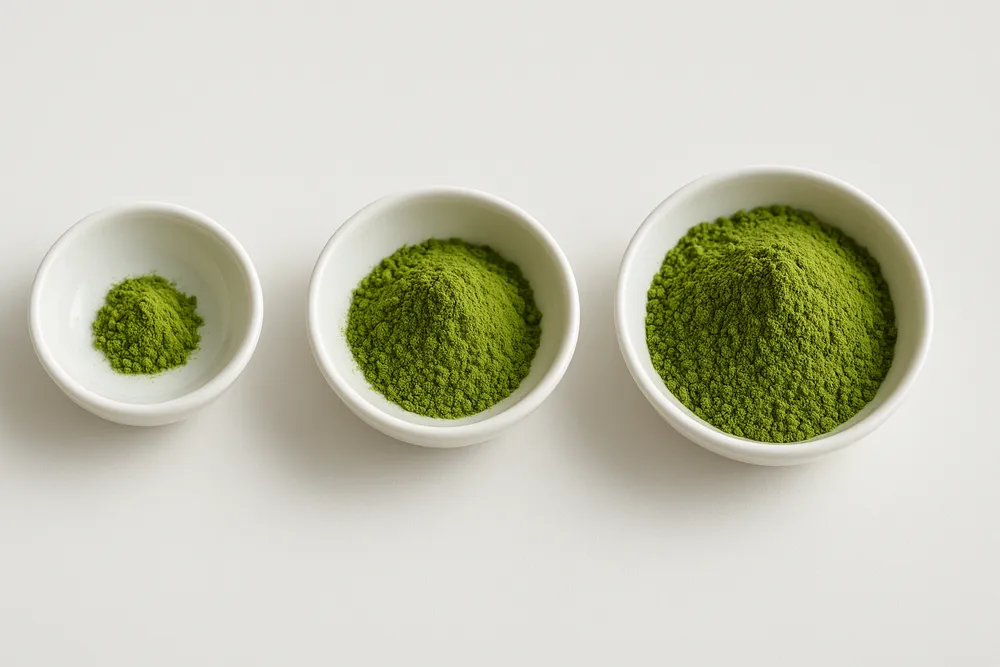
Begin with 1/4 to 1/2 teaspoon (approximately 1-2 grams) once daily. This small amount allows your body to adjust while you observe how you feel. Most people tolerate this starting dose well.
Maintenance Dose
After 1-2 weeks, if you’re tolerating the starting dose well, you can increase to 1 teaspoon (approximately 2-3 grams) once or twice daily. This is a common maintenance dose that provides significant nutritional benefits.
Maximum Dose
Some people take up to 2 teaspoons (approximately 4-6 grams) daily, split into two doses. However, most people find 1-2 teaspoons daily provides excellent benefits without needing higher amounts.
Remember that individual needs vary, and what works for one person may not be ideal for another. Pay attention to how your body responds and adjust accordingly. If you experience any digestive discomfort, reduce the dose and increase more slowly.
Capsule Dosage Guidelines
Capsules provide precise dosing and convenience, making them ideal for people who prefer not to taste the powder. Most Moringa capsules contain 500-1000mg of powder per capsule.
Starting with Capsules
Begin with 1 capsule daily, taken with food. This allows you to assess tolerance and see how your body responds. Most people find this starting dose comfortable and effective.
Standard Maintenance
After 1-2 weeks, if well-tolerated, increase to 2-3 capsules daily, typically split between morning and evening. Always follow the manufacturer’s recommended dosage on the product label.
Capsules offer the advantage of precise dosing and no taste, but they’re less flexible than powder for adjusting amounts. Always check the product label for specific dosage recommendations, as capsule sizes and concentrations vary between brands.
Best Time to Take Moringa
The timing of when you take Moringa can influence how you feel and how well your body absorbs the nutrients. Understanding the benefits of different timing options helps you choose what works best for your schedule and goals.

The best time to take Moringa depends on your personal preferences, schedule, and what you’re hoping to achieve. Some people prefer morning for energy support, while others find evening timing works better for their routine. There’s no single right answer, only what works best for you.
Taking Moringa in the Morning
Morning is a popular time to take Moringa, especially for people looking to support energy levels throughout the day. The iron and B-vitamins in Moringa can help support natural energy production.
Energy Support
Taking Moringa in the morning, especially with breakfast or in a smoothie, can help support energy levels throughout the day. The iron and B-vitamins work with your body’s natural energy production systems.
With Breakfast
Taking Moringa with your morning meal helps ensure you’re getting nutrients early in the day and can enhance absorption. Many people find this timing easy to remember and incorporate into their routine.
Morning timing works well for most people and fits naturally into breakfast routines. If you’re taking Moringa for energy support, morning is often the most effective time.
Taking Moringa in the Evening
Evening timing can work well for people who prefer to take supplements with dinner or who want to avoid any potential energy effects during the day. Some people find evening timing helps them remember to take it consistently.
Evening Routine
Taking Moringa with dinner or in the evening can work well if this timing fits your schedule better. The magnesium in Moringa may also support relaxation, though individual responses vary.
Consistency Matters
The most important factor is consistency. If evening timing helps you remember to take Moringa regularly, that’s often more valuable than the specific time of day.
Evening timing is perfectly fine and works well for many people. The key is finding a time that fits your routine and that you can maintain consistently.
Splitting Your Dose
Some people find benefits in splitting their daily Moringa dose between morning and evening. This approach can help maintain consistent nutrient levels throughout the day.
Splitting your dose means taking half your daily amount in the morning and half in the evening. For example, if you’re taking 2 teaspoons daily, you might take 1 teaspoon with breakfast and 1 teaspoon with dinner. This approach works well for people taking higher doses or those who want to maintain steady nutrient intake throughout the day.
Taking Moringa With or Without Food
Whether to take Moringa with food or on an empty stomach is a common question. The answer depends on your individual tolerance and preferences, though taking it with food offers several advantages.
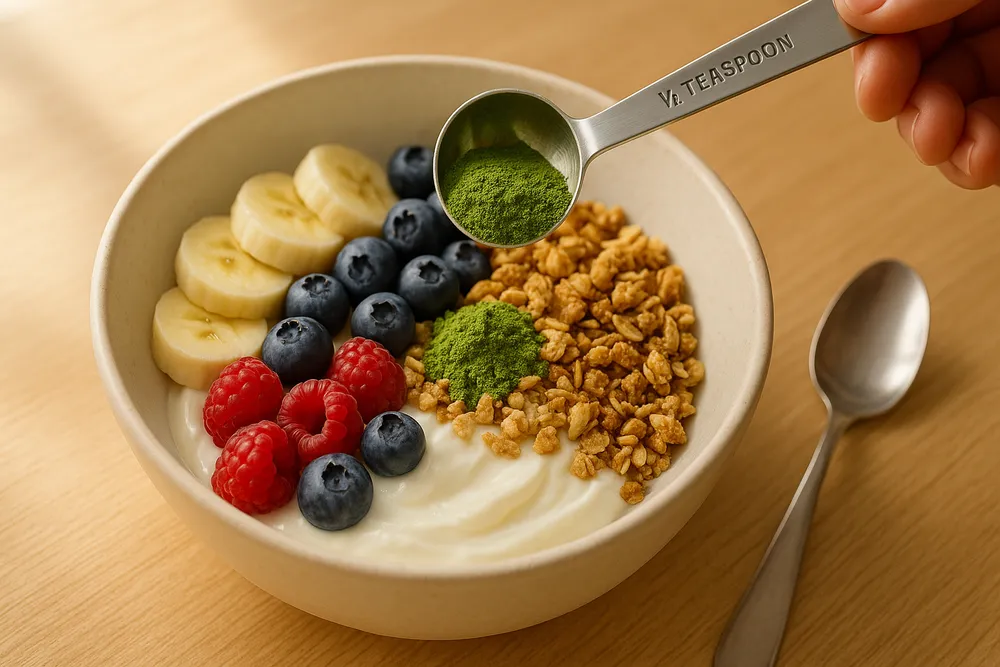
Taking Moringa with food is generally recommended for most people. Food helps buffer the supplement and can enhance absorption of certain nutrients. It also reduces the likelihood of any digestive discomfort, especially when you’re first starting.
Benefits of Taking Moringa With Food
Taking Moringa with meals offers several practical advantages that can improve your experience and the effectiveness of the supplement.
Enhanced Absorption
Taking Moringa with food, especially foods containing healthy fats or vitamin C, can enhance absorption of fat-soluble vitamins and improve iron absorption. This makes your supplement more effective.
Digestive Comfort
Food helps buffer Moringa and reduces the chance of any digestive discomfort. This is especially important when you’re first starting or if you have a sensitive stomach.
Easy to Remember
Taking Moringa with meals makes it easier to remember and incorporate into your routine. Associating it with meal times creates a natural habit that’s easier to maintain.
While taking Moringa with food is generally recommended, some people do fine taking it on an empty stomach. If you choose to take it without food, start with smaller amounts and pay attention to how your body responds.
Choosing the Right Form
Moringa is available in several forms, each with unique advantages. Understanding the differences helps you choose the form that best fits your lifestyle, preferences, and goals.
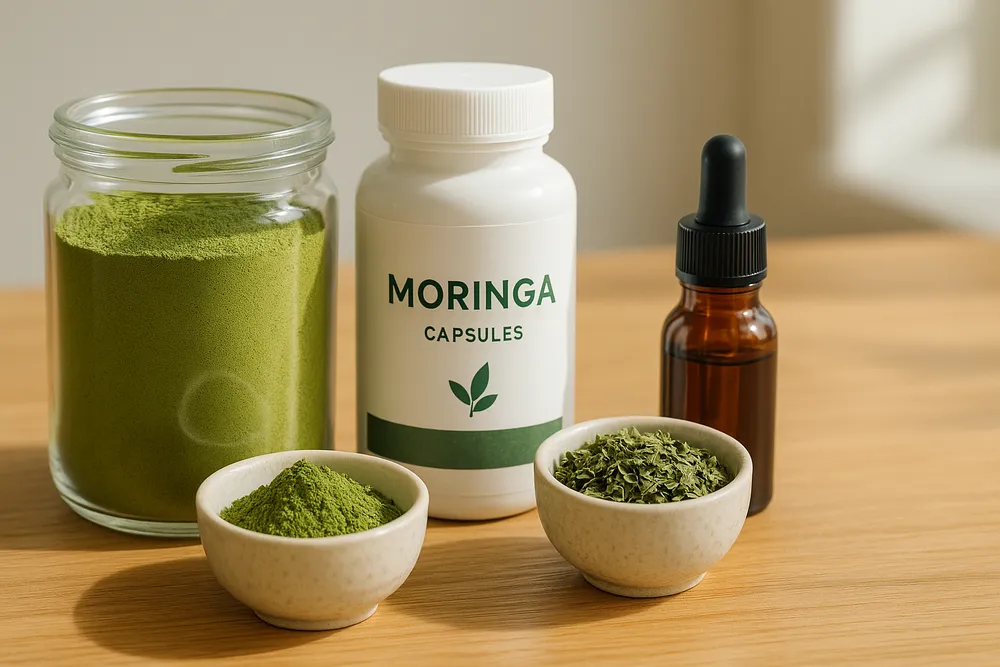
The form you choose affects how you take Moringa, how much flexibility you have with dosing, and how easy it is to incorporate into your routine. There’s no single best form, only what works best for your individual situation and preferences.
Powder Form
Powder offers the most flexibility and versatility, making it ideal for people who want to incorporate Moringa into recipes and beverages. It’s also typically the most cost-effective option.
Versatility
Powder can be added to smoothies, beverages, recipes, and meals. This versatility makes it easy to incorporate into your existing routine in creative ways.
Flexible Dosing
With powder, you can easily adjust your dose in small increments. This flexibility is helpful when you’re finding your optimal amount or want to increase gradually.
Powder is an excellent choice if you like adding supplements to food and beverages, or if you want maximum flexibility with dosing. The mild, earthy taste blends well with many foods and drinks.
Capsule Form
Capsules provide convenience and precise dosing without any taste. They’re ideal for people who prefer not to taste supplements or who want a quick, easy option.
Convenience
Capsules are quick and easy to take, requiring no preparation or mixing. This makes them perfect for busy lifestyles or when you’re on the go.
No Taste
If you don’t like the taste of Moringa powder, capsules eliminate this concern entirely. You get all the benefits without any flavor.
Capsules are a great choice if you value convenience and want to avoid any taste. They’re also ideal for travel since they’re compact and don’t require mixing or preparation.
Best Practices for Taking Moringa
Following best practices ensures you get maximum benefits from Moringa while maintaining a safe and sustainable routine. These guidelines help you make the most of your supplement experience.
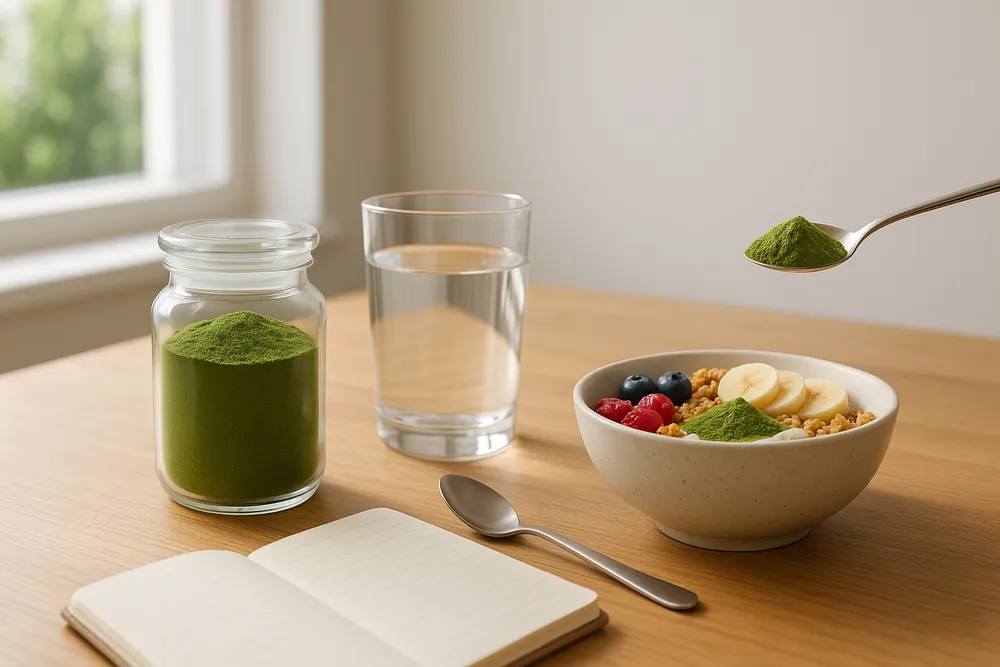
Best practices for taking Moringa focus on safety, consistency, and maximizing benefits. These simple guidelines help ensure a positive experience and optimal results from your supplement routine.
Start Gradually
Begin with smaller doses and increase slowly over time. This allows your body to adjust and helps you find your optimal amount without overwhelming your system.
Be Consistent
Consistency is more important than perfect timing. Taking Moringa regularly, even if not at the exact same time every day, is better than sporadic use.
Stay Hydrated
Drink plenty of water when taking Moringa, especially with powder form. Adequate hydration supports nutrient absorption and overall wellness.
Choose Quality
Select high-quality, organic Moringa from reputable sources. Quality products ensure you’re getting the full nutritional benefits and avoid contaminants.
Consult When Needed
If you have medical conditions, are taking medications, or are pregnant or breastfeeding, consult with a healthcare provider before starting Moringa or changing your dosage.
These best practices create a foundation for a safe and effective Moringa routine. Remember that individual needs vary, and what works for one person may need adjustment for another. The key is finding what works for your body and lifestyle.
Common Questions About Taking Moringa
Addressing common questions helps clarify any confusion and ensures you feel confident about your Moringa routine. These answers cover the most frequently asked questions about dosage, timing, and usage.
Can I Take Too Much Moringa?
While Moringa is generally safe, taking very large amounts can cause digestive discomfort in some people. Most people find 1-2 teaspoons (or 2-4 capsules) daily provides excellent benefits without issues. If you’re considering higher doses, increase gradually and pay attention to how your body responds.
Should I Take Moringa Every Day?
Consistency is key for getting the most benefits from Moringa. Taking it daily helps maintain steady nutrient levels and supports your body’s natural processes. However, if you miss a day occasionally, that’s fine. The goal is regular, consistent use rather than perfect adherence.
Can I Take Moringa With Other Supplements?
Moringa generally works well with other supplements, but it’s always wise to space them out slightly and consult with a healthcare provider if you’re taking multiple supplements or medications. Taking Moringa with meals helps ensure it doesn’t interfere with absorption of other nutrients.
What If I Experience Side Effects?
If you experience any digestive discomfort or other side effects, reduce your dose and increase more slowly. Most side effects are mild and resolve with dose adjustment. If issues persist, discontinue use and consult with a healthcare provider.
Conclusion
Taking Moringa correctly doesn’t have to be complicated. By starting with appropriate doses, choosing the right timing for your schedule, and following best practices, you can incorporate Moringa into your routine effectively and safely.
In Summary: Start with small doses (1/4 to 1/2 teaspoon powder or 1 capsule), take with food for best absorption, and increase gradually based on your body’s response. Choose the form that fits your lifestyle, whether that’s versatile powder or convenient capsules. Consistency matters more than perfect timing, so find a routine you can maintain. Most importantly, listen to your body and adjust as needed. With these guidelines, you’re well-equipped to make Moringa a valuable part of your wellness routine.
Disclaimer
Information presented here is for educational purposes only. It is not medical advice or a substitute for consultation with a qualified healthcare professional. Statements have not been evaluated by the FDA and are not intended to diagnose, treat, cure, or prevent any disease.