What Is Moringa?
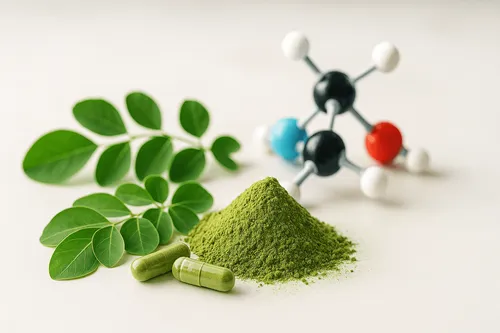
Moringa oleifera, often called the drumstick tree, is a fast-growing, drought-resistant tree native to the Himalayan foothills of northern India. This remarkable plant has been cultivated for generations as a versatile food source, earning its reputation as nature’s multivitamin due to its exceptional nutritional density.
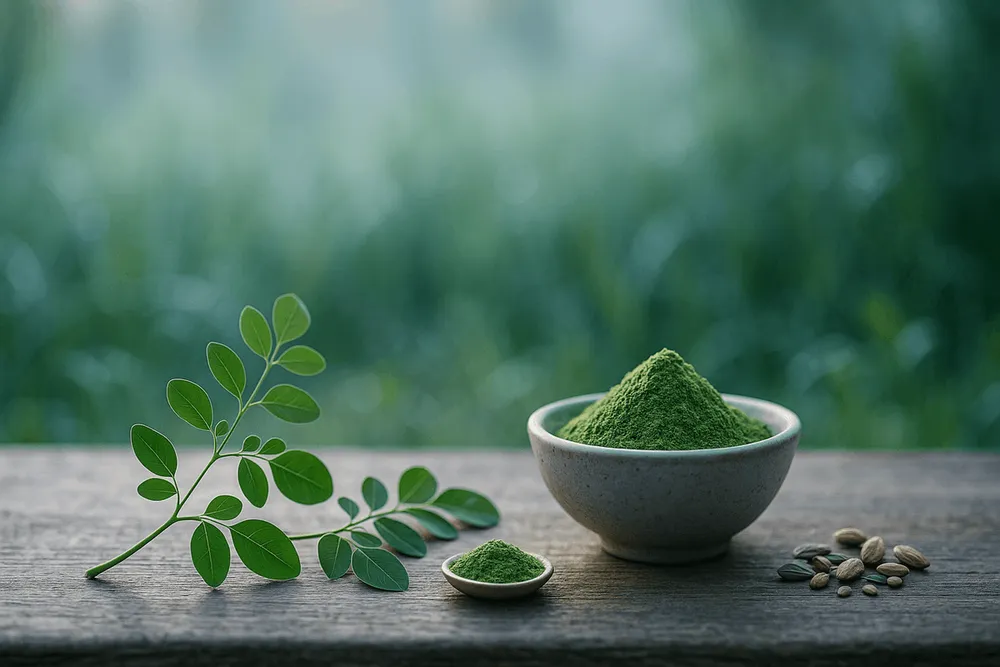
The tree’s leaves, seeds, pods, and flowers are all edible and packed with nutrients, making Moringa one of the most complete plant-based foods available. Its ability to thrive in challenging conditions while providing such rich nutrition has made it a valuable resource for communities worldwide.
Why Is Moringa Called a Superfood?
In a world filled with health claims and nutritional trends, the term superfood is often used loosely. However, Moringa oleifera has earned this title through a rare combination of nutritional density, scientific backing, and traditional use that spans thousands of years. Moringa earns its superfood status through several remarkable characteristics:
These remarkable characteristics, combined with Moringa’s adaptability and ease of incorporation into daily routines, explain why it has maintained its superfood status across cultures and generations. Whether you’re looking to supplement specific nutrients or simply add more variety to your diet, Moringa offers a natural, plant-based solution that complements a balanced approach to nutrition and wellness.
Nutritional Benefits
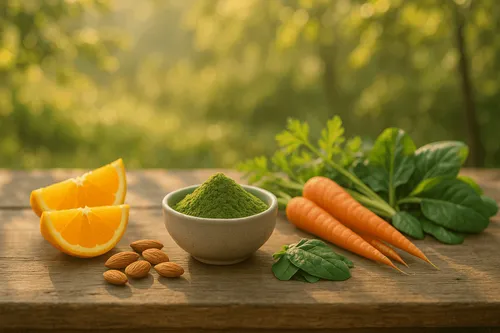
Beyond simply listing vitamins and minerals, understanding how Moringa’s nutrients work together to support your body’s natural functions helps explain why so many people incorporate it into their daily wellness routines. Moringa’s nutritional profile makes it valuable for several key areas of health:
Energy and Vitality
Naturally provides iron and B-vitamins that contribute to energy metabolism within a normal diet. The iron content helps support healthy oxygen transport throughout the body.
Immune Support
Contains vitamin C and other antioxidants that help support overall immune function and general well-being. These natural compounds help maintain your body’s natural defense systems.
Cognitive Function
Includes nutrients that play roles in normal cognitive and nervous-system function, supporting mental clarity and focus.
Cardiovascular Health
Provides nutrients that contribute to normal cardiovascular function when included as part of a varied diet.
Bone and Muscle Health
Rich in calcium and magnesium, Moringa supports bone density and muscle function, making it valuable for active individuals.
Digestive Wellness
Provides dietary fiber and essential nutrients that contribute to normal digestive function and overall gut health as part of a balanced diet.
While individual nutrients are important, it’s the combination of vitamins, minerals, antioxidants, and amino acids in Moringa that makes it particularly valuable. This comprehensive nutritional profile supports multiple aspects of health, working together to contribute to overall wellbeing when included as part of a balanced, varied diet.
Parts of the Moringa Tree
One of Moringa’s most remarkable features is that nearly every part of the tree is edible and nutritionally valuable. Understanding these different parts helps you appreciate the versatility of this incredible plant and choose how best to incorporate it into your diet.
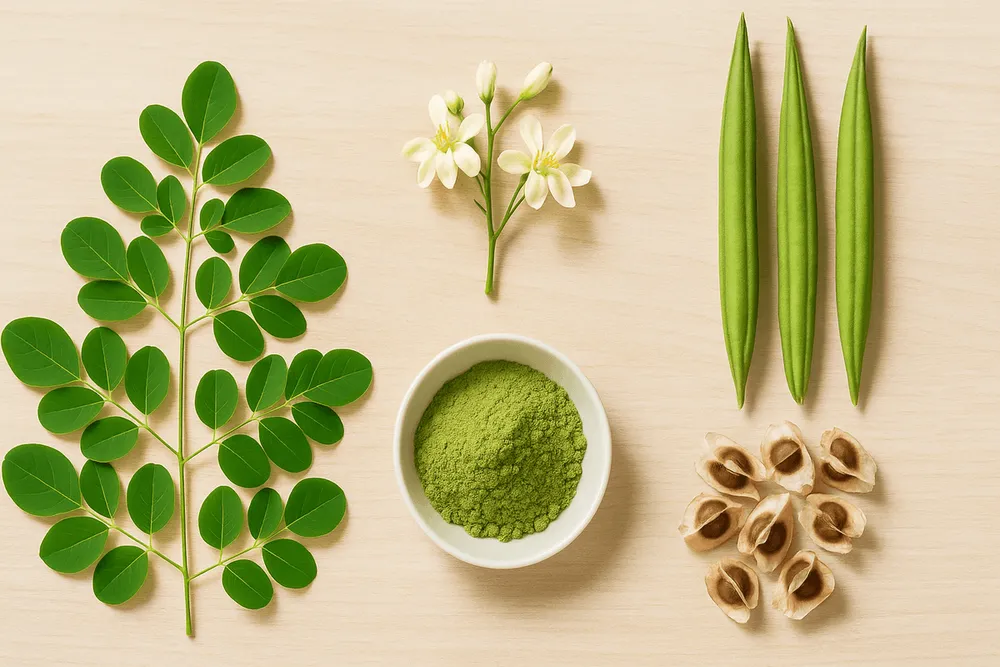
What makes Moringa particularly special is its remarkable versatility: virtually every part of the tree serves a purpose. From the nutrient-dense leaves that are ground into powder to the tender pods used in traditional cuisine, each component brings something unique to the table. Every part of the Moringa tree offers distinct nutritional and culinary benefits:
Leaves
The most commonly used part, Moringa leaves are rich in nutrients and typically dried and ground into powder. They can be used in smoothies, capsules, or brewed as tea. Fresh leaves can also be cooked like spinach.
Flowers
Edible and mildly sweet, Moringa flowers are sometimes added to regional dishes and herbal teas. They offer a delicate flavor and provide additional nutrients to traditional recipes.
Seeds
Used for oil extraction or eaten young after cooking, Moringa seeds are highly nutritious. The oil extracted from seeds is valued for both culinary uses and cosmetic applications.
Pods
Known as drumsticks, the tender pods are a staple in many South Asian recipes. They provide dietary fiber and can be cooked in various ways, similar to green beans in texture and preparation.
This ability to use every part of the tree reflects Moringa’s deep integration into traditional medicine and cuisine across many cultures. Each part brings its own nutritional profile and culinary possibilities, making Moringa one of the few plants where virtually nothing goes to waste.
How to Use Moringa
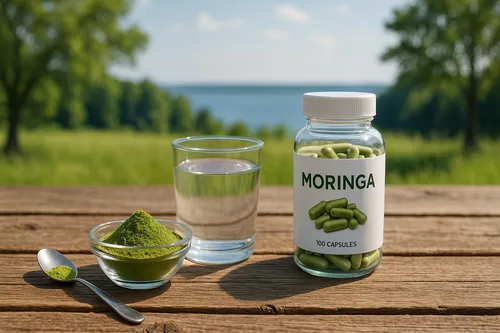
Moringa is available in several convenient forms, each offering different benefits and preparation methods. Whether you prefer the versatility of powder, the convenience of capsules, or the tradition of tea, there’s a form of Moringa to fit your lifestyle and preferences.
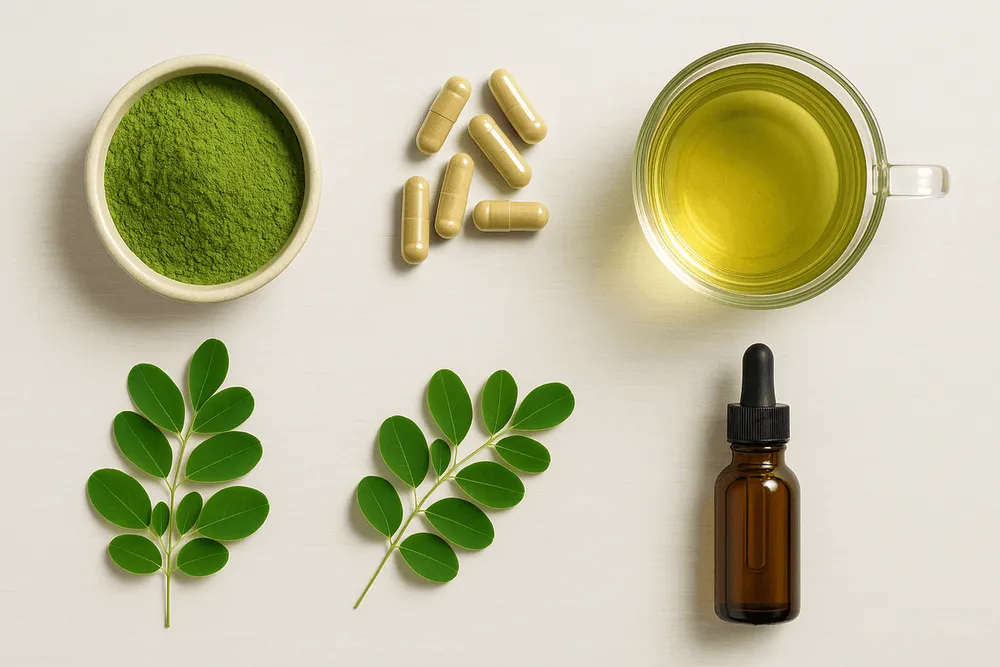
With so many options available, choosing the right form depends on your preferences, lifestyle, and how you plan to use Moringa. Each method offers unique advantages, whether you’re looking for quick convenience, versatility in cooking, or traditional preparation methods.
Powder Form
The most versatile option, Moringa powder can be blended into smoothies, mixed into oatmeal, or added to soups and stews. Start with small amounts (1/2 to 1 teaspoon) and adjust to taste.
Capsules
Convenient for those who prefer not to taste the powder, capsules should be used according to package directions. Take with food or as advised by your healthcare provider.
Tea
Steep dried Moringa leaves in hot water for a mild, earthy beverage. This traditional preparation method is used in many cultures worldwide.
Fresh Leaves
When available, fresh Moringa leaves can be cooked like spinach or other leafy greens, offering maximum nutritional value.
Tinctures
Moringa tinctures are liquid extracts made by steeping Moringa leaves in alcohol or glycerin. They provide a convenient, concentrated form of Moringa and are fast-absorbing and easy to add to water, juice, or taken directly. Follow the manufacturer’s recommended dosage.
Experiment with different forms to find what works best for your routine. Many people combine multiple forms, perhaps capsules for daily consistency and powder for creative culinary uses. The key is starting with small amounts and gradually finding your preferred method and dosage.
Creative Ways to Incorporate Moringa
Once you’re familiar with the different forms of Moringa, you can explore creative ways to integrate this superfood into your daily routine. From breakfast smoothies to savory dinners, Moringa’s mild flavor makes it easy to add nutritional value to almost any dish.
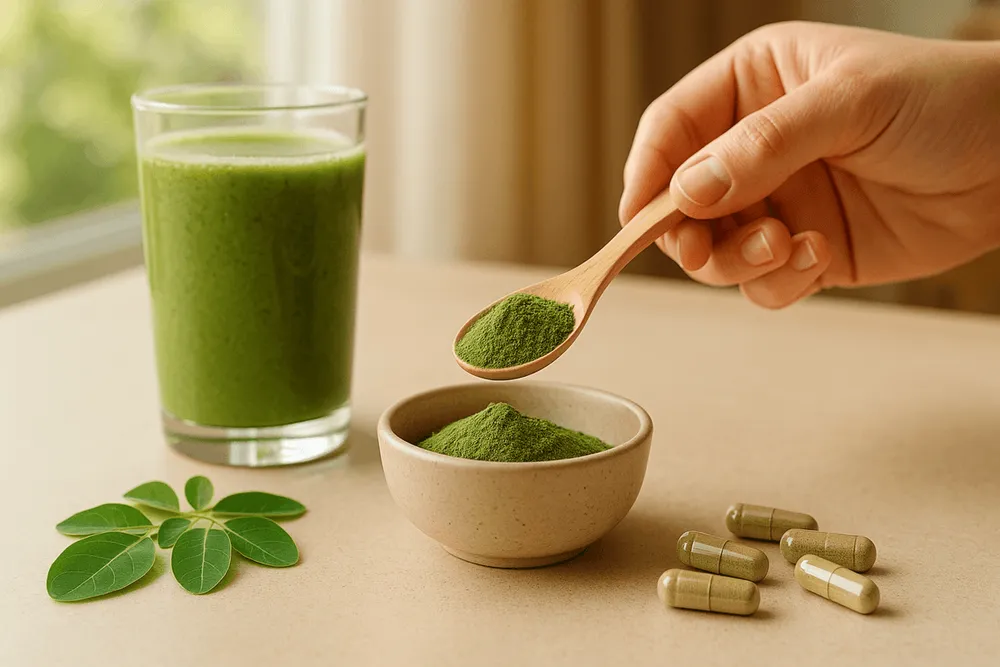
Once you’ve chosen your preferred form, the real fun begins with discovering how to seamlessly integrate Moringa into your favorite foods and routines. The mild, earthy flavor of Moringa makes it surprisingly versatile, allowing you to boost the nutritional content of both sweet and savory dishes without overwhelming other flavors.
In Cooking
Add Moringa powder to soups, stews, or salads. Moderate heat helps preserve color and flavor while maintaining nutritional benefits.
Smoothies and Beverages
Blend Moringa powder into fruit smoothies, green juices, or even coffee for an extra nutritional boost.
Baking
Incorporate small amounts of Moringa powder into bread, muffins, or energy bars for added nutrition without significantly altering taste.
Topical Applications
Some people use Moringa powder in homemade hair or skin applications, though it’s important to patch-test first and use cautiously.
These are just a few starting points for incorporating Moringa into your routine. Feel free to experiment and find creative ways that work best for your personal taste preferences and lifestyle. The key is starting with small amounts and adjusting based on what feels right for you.
Storage and Quality Tips
Proper storage and selection are key to getting the most out of your Moringa products. Understanding how to identify high-quality Moringa and store it correctly ensures you’ll get maximum freshness and nutritional benefits throughout the product’s lifespan.
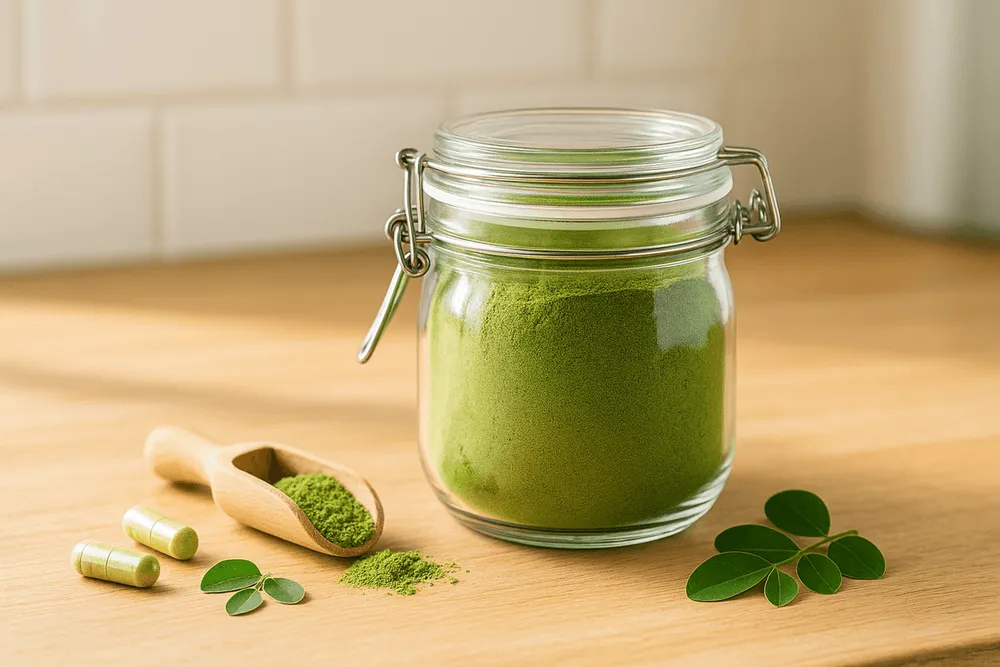
Maintaining Moringa’s nutritional quality requires proper storage practices and selecting high-quality products from the start. Taking care with how you store Moringa ensures you get maximum value from every serving, while choosing quality products helps ensure you’re getting the full nutritional benefits.
Storage
Keep Moringa powder sealed in an airtight container, stored in a cool, dark place away from direct sunlight and moisture. Refrigeration can extend freshness and help maintain nutritional potency over time.
Quality
Look for pure, organically grown Moringa with a rich green color and fresh, earthy aroma. These characteristics indicate minimal processing and high quality. Check for organic certifications and transparent sourcing information.
Shelf Life
When stored properly in cool, dry conditions away from light and moisture, Moringa powder typically maintains its nutritional value for 12-18 months. Always check expiration dates and avoid exposing the powder to humidity or temperature fluctuations.
By paying attention to storage and quality from the beginning, you’ll maximize both the shelf life and nutritional benefits of your Moringa products. These simple practices ensure you get the most value from every serving.
Getting Started Safely
When incorporating any new supplement or superfood into your routine, it’s important to approach it thoughtfully and safely. These guidelines help ensure you have a positive experience while prioritizing your wellbeing.
Start Gradually
Introduce Moringa gradually as you would any new food. Begin with small amounts, such as 1/4 to 1/2 teaspoon of powder or one capsule daily, and monitor how your body responds over several weeks before increasing your intake.
Ask Your Doctor
If you have medical conditions or are taking medications, consult a qualified healthcare professional for personalized guidance before adding Moringa to your routine. They can help ensure Moringa is appropriate for your individual health needs.
Quality Matters
Choose reputable brands that provide third-party testing and clear sourcing information to ensure you’re getting pure, high-quality Moringa. Look for organic certifications, transparent ingredient lists, and brands that share details about their production processes.
Following these simple guidelines helps ensure a safe and positive experience with Moringa. Taking a thoughtful, gradual approach allows you to discover how this nutrient-dense superfood fits best into your individual wellness routine.
The Bottom Line
Moringa oleifera is one of nature’s most complete nutritional packages, offering a rare combination of vitamins, minerals, amino acids, and antioxidants in a single plant. Its versatility, sustainability, and nutritional density make it a valuable addition to a balanced diet.
Whether you’re looking to boost your daily nutrition, explore plant-based protein sources, or simply try something new, Moringa offers a natural, time-tested solution that has nourished communities for generations.
Disclaimer
Information presented here is for educational purposes only. It is not medical advice or a substitute for consultation with a qualified healthcare professional. Statements have not been evaluated by the FDA and are not intended to diagnose, treat, cure, or prevent any disease.