Sustainability & Impact: Moringa’s Global Mission
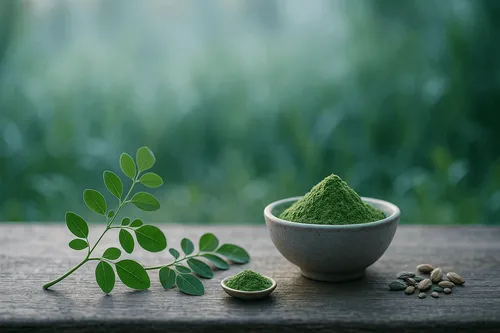
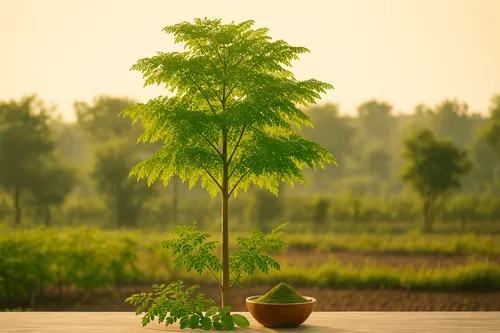
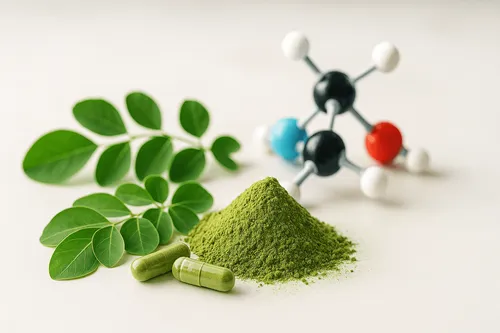
Moringa represents more than just a superfood, it’s a sustainable agricultural solution that creates positive change for communities, farmers, and the planet. From drought-resistant cultivation to zero-waste utilization, Moringa offers a model for sustainable development that addresses food security, environmental protection, and economic empowerment simultaneously.
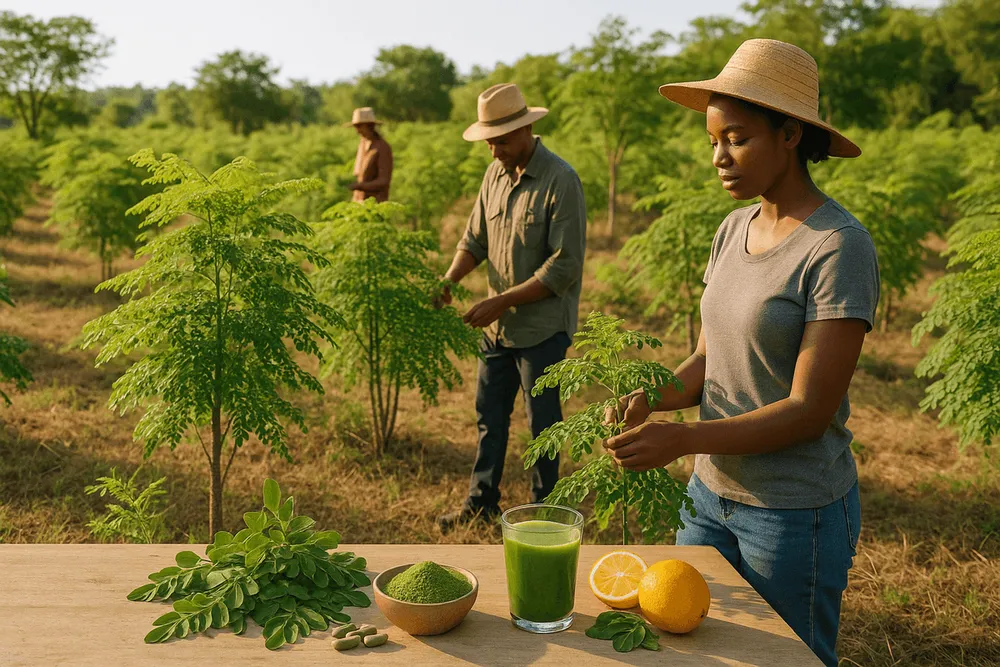
The sustainability story of Moringa extends far beyond its nutritional benefits. This remarkable tree demonstrates how sustainable agriculture can support human health, environmental protection, and community development in a way that’s both practical and scalable. Understanding Moringa’s full impact helps us appreciate why it’s become such an important resource for sustainable development worldwide.
Environmental Impact
Moringa’s environmental benefits stem from its remarkable resilience and efficient resource use. The tree’s ability to thrive in challenging conditions while requiring minimal inputs makes it an ideal crop for sustainable agriculture, particularly in regions facing water scarcity and climate challenges.
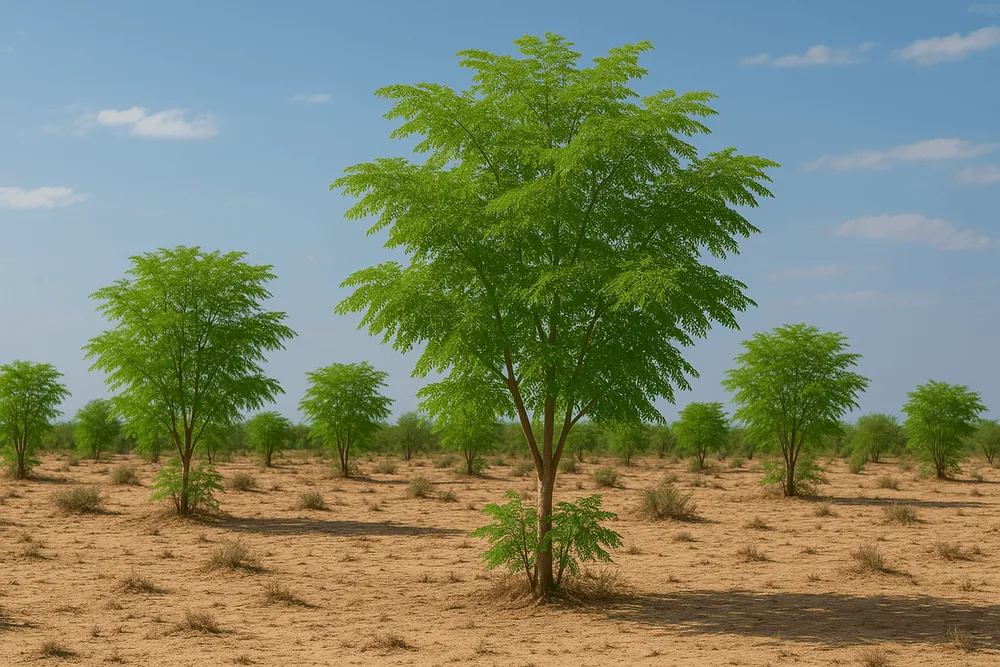
The environmental advantages of Moringa cultivation create a positive impact that extends from individual farms to global climate patterns. By choosing crops that use resources efficiently and adapt to local conditions, we support agricultural systems that are both productive and sustainable.
Water Efficiency
Moringa requires approximately 80% less water than traditional crops like corn, making it a sustainable choice for water-scarce regions. This efficiency helps conserve precious water resources while maintaining agricultural productivity.
Rapid Growth
Moringa reaches harvest in just 6 months, providing quick returns for farmers and faster food security for communities. This rapid growth cycle makes it an efficient use of agricultural land and resources.
Long Lifespan
Moringa trees can live for 20 years or more, providing decades of harvests from a single planting. This longevity reduces the need for replanting and makes Moringa cultivation a sustainable long-term agricultural investment.
Drought Resistance
Moringa thrives in challenging conditions where other crops fail, making it a sustainable solution for food security in arid regions. Its deep root system and water-efficient structure allow it to survive periods of drought.
These environmental characteristics make Moringa an exceptional crop for sustainable agriculture, particularly in regions facing water scarcity and climate challenges. The tree’s efficient resource use and resilience create agricultural systems that work with natural conditions rather than against them.
Water Purification Technology
Moringa seeds contain natural proteins that can purify contaminated water, providing a low-cost, sustainable solution for communities without access to clean water. This remarkable application demonstrates how Moringa’s benefits extend beyond nutrition to address critical public health challenges.
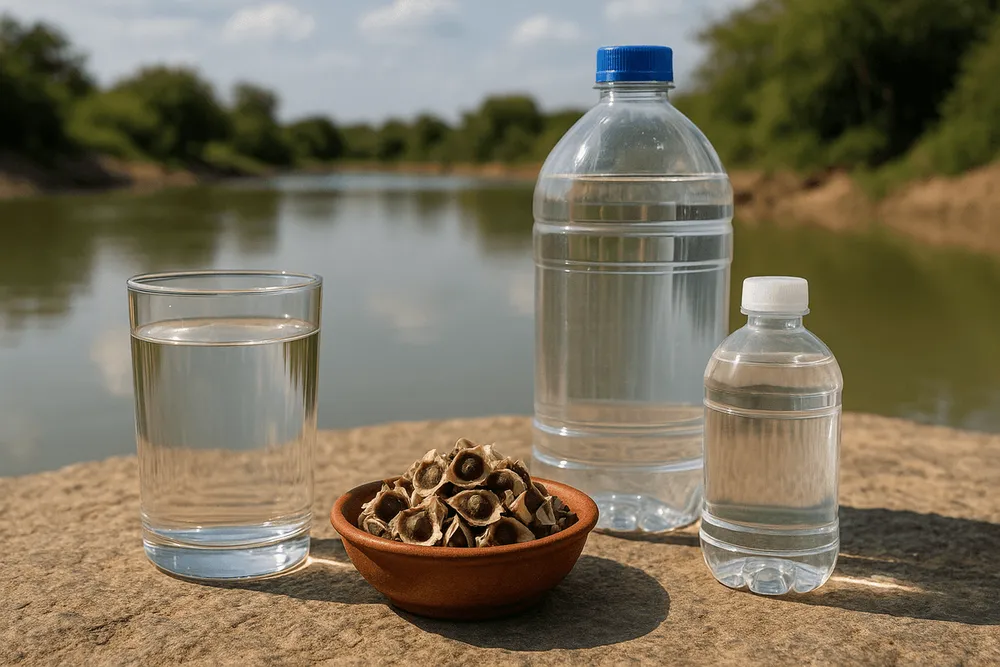
The water purification properties of Moringa seeds represent a perfect example of using natural resources to address global challenges. This simple, sustainable technology requires no complex infrastructure and can be implemented in even the most remote communities.
Natural Purification
Moringa seeds naturally purify water by removing up to 99% of bacteria through a simple process. The proteins in Moringa seeds bind to contaminants, creating clumps that settle out, leaving clearer, safer water.
Low-Cost Solution
This natural purification method provides a low-cost solution for communities without access to traditional water treatment systems. Moringa seeds are readily available, inexpensive, and don’t require complex infrastructure or chemicals.
Community Access
Moringa water purification can be implemented at the community level, providing access to cleaner water for entire villages. This decentralized approach empowers communities to improve their own water quality using locally available resources.
The water purification application of Moringa seeds demonstrates how sustainable solutions can address multiple challenges simultaneously. By providing both food and clean water, Moringa creates comprehensive benefits for communities in need.
Zero Waste Potential
Moringa represents the ultimate example of zero-waste agriculture, with every part of the tree serving a valuable purpose. This complete utilization creates a truly sustainable agricultural system that maximizes resource efficiency while minimizing waste.
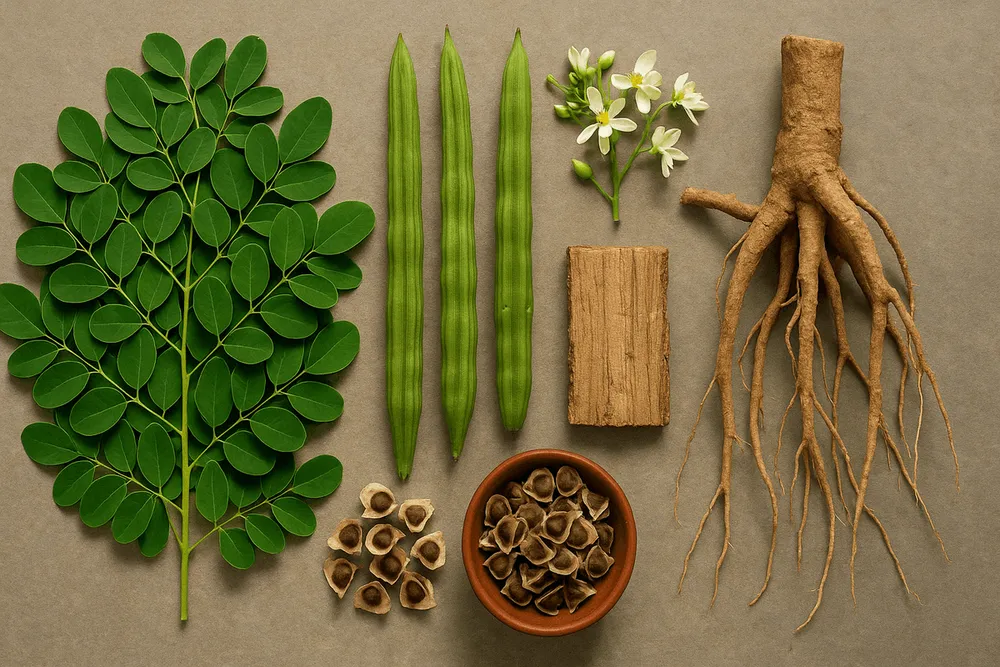
The zero-waste nature of Moringa cultivation means that farmers can derive value from multiple parts of the plant, creating more sustainable and economically viable agricultural systems. This comprehensive approach maximizes the benefits while minimizing environmental impact.
Leaves for Nutrition
Moringa leaves provide exceptional nutritional value and can be used fresh, dried, or powdered. They’re rich in vitamins, minerals, and protein, making them a valuable food source for both human consumption and animal feed.
Pods and Seeds
Moringa pods are edible and nutritious, while seeds can be used for water purification, oil extraction, or planting. The seeds also contain valuable proteins that have multiple practical applications.
Flowers and Roots
Moringa flowers are edible and nutritious, while the roots have traditional medicinal uses. Even parts that aren’t consumed directly contribute to the tree’s overall value through their support functions.
Carbon Negative
Moringa trees absorb more carbon dioxide than they produce, making them carbon negative. Their rapid growth and long lifespan create significant carbon sequestration benefits, contributing to climate change mitigation.
This complete utilization approach ensures that Moringa cultivation creates maximum value with minimal waste, setting a standard for sustainable agriculture that other crops can aspire to match.
Community Impact
Moringa cultivation creates far-reaching positive impacts for farming communities worldwide. Beyond providing food security and economic opportunities, Moringa supports social development, particularly through programs that empower women and strengthen community resilience.
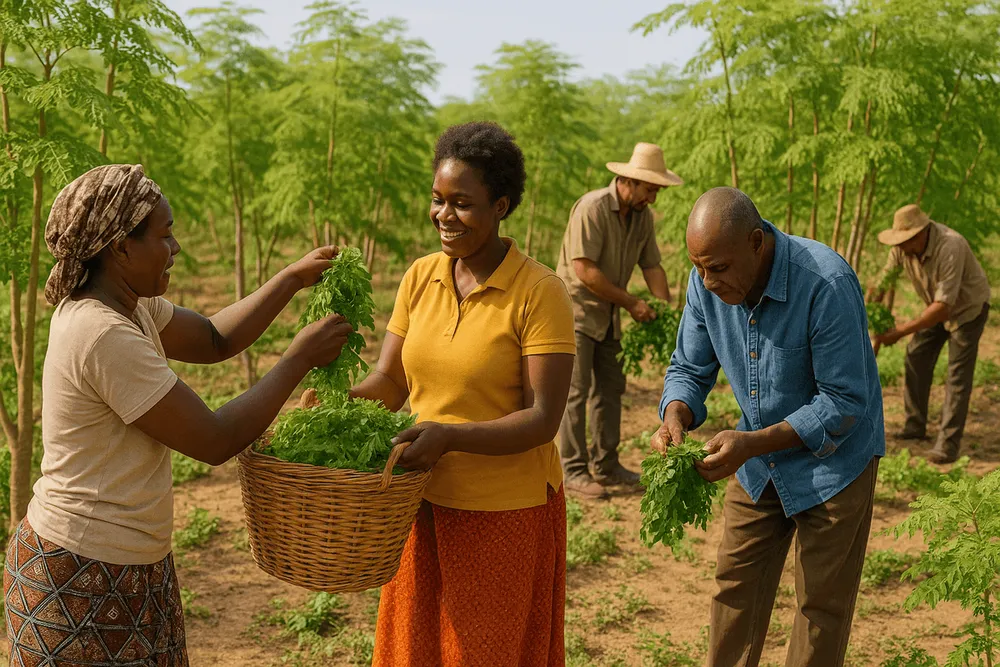
The community benefits of Moringa extend beyond immediate nutritional and economic gains to include long-term social and educational improvements. When communities have food security and income, they can invest in education, healthcare, and infrastructure development.
Economic Stability
Provides year-round income for farmers through leaf harvesting and seed production. Unlike seasonal crops, Moringa can be harvested continuously, creating steady income streams that support family financial stability and community economic development.
Food Security
Combat malnutrition in developing regions with nutrient-dense leaves and pods. Moringa provides a locally available, affordable source of essential nutrients that can be grown even in challenging agricultural conditions, making it a powerful tool for food security.
Women's Empowerment
Many Moringa cooperatives are led by women, providing leadership opportunities and economic independence. These programs create pathways for women to contribute to their communities while gaining financial security and social standing.
Community Development
Moringa cultivation creates opportunities for community organization and collective action. Farmers working together to grow, process, and market Moringa build stronger community bonds and develop collaborative skills that benefit all community members.
These community benefits demonstrate how sustainable agriculture can create positive social change. When communities have access to nutritious food and economic opportunities, they can build stronger, more resilient futures for themselves and future generations.
Global Reach
Moringa cultivation spans continents, creating positive change from India to Africa, from the Philippines to Haiti. This remarkable tree has become a cornerstone of sustainable development, providing food security, economic opportunities, and environmental benefits to communities worldwide.
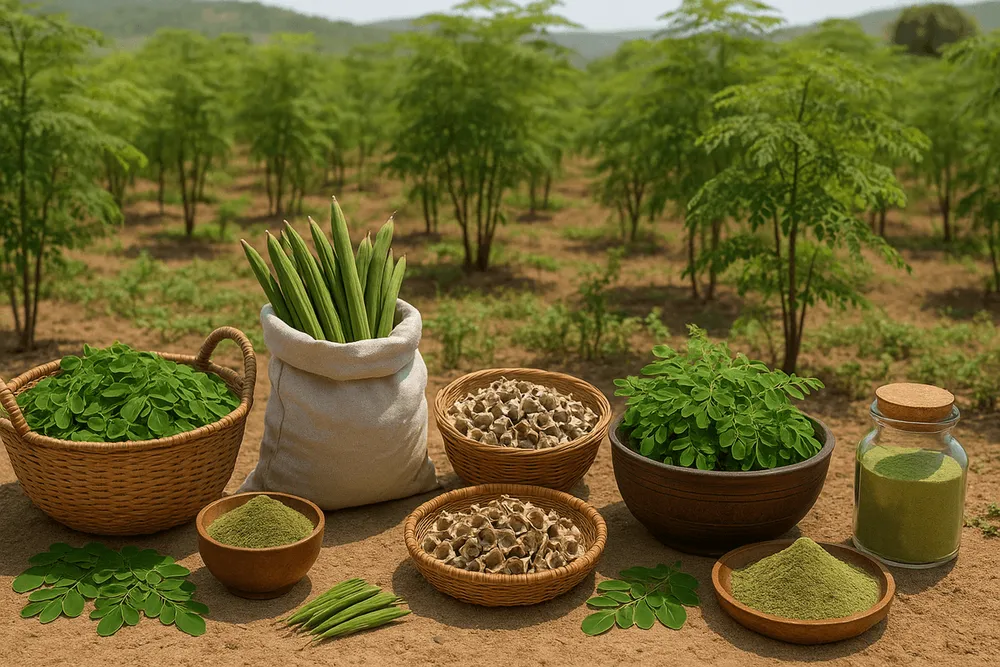
The global reach of Moringa demonstrates its adaptability and universal value. From traditional cultivation sites to new development initiatives, Moringa is being used to address similar challenges across diverse cultural and geographic contexts.
Key Growing Regions
Moringa has found success in regions with varying climates and agricultural traditions, proving its versatility as a sustainable crop solution. Each region has adapted Moringa cultivation to local conditions while maintaining the core benefits of sustainable agriculture and community development.

The widespread cultivation of Moringa across these key regions demonstrates its remarkable adaptability and the universal value it provides. From the tropical climates of India and the Philippines to the arid regions of Africa and the challenging conditions of post-disaster recovery in Haiti, Moringa has proven its ability to support communities while respecting local agricultural traditions and environmental conditions.
India
Traditional cultivation for centuries, with deep cultural roots and extensive knowledge of Moringa’s medicinal properties. India has the longest history of Moringa use, with traditional practices that have been passed down through generations.
Africa
Combating malnutrition and food insecurity across multiple countries, particularly in drought-prone regions. Moringa has become an important tool for addressing nutritional deficiencies and supporting food security in challenging climates.
Philippines
Community development initiatives empowering local farmers and improving rural livelihoods. Moringa programs in the Philippines focus on creating sustainable income sources while addressing local nutritional needs.
Haiti
Post-disaster recovery efforts providing food security and economic stability after natural disasters. Moringa has played a crucial role in recovery programs, helping communities rebuild while improving nutrition and creating income opportunities.
These regional examples demonstrate how Moringa adapts to local conditions while maintaining its core benefits. Each region has found ways to integrate Moringa into their agricultural systems in ways that respect local traditions while creating new opportunities.
Impact Statistics
The global impact of Moringa cultivation can be measured in concrete numbers that reflect its growing importance for sustainable development worldwide.
Farmers Supported
2M+ farmers worldwide benefiting from Moringa cultivation and sustainable agriculture practices. These farmers gain access to income opportunities, food security, and agricultural knowledge that supports long-term sustainability.
Countries Growing
80+ countries actively cultivating Moringa, from tropical regions to arid climates. This global distribution demonstrates Moringa’s adaptability and the universal need for sustainable agricultural solutions.
Years of Use
4000+ years of traditional use, making it one of the oldest cultivated superfoods in human history. This long history demonstrates Moringa’s proven value across cultures and generations, validating its role in sustainable agriculture.
These statistics reflect the growing recognition of Moringa’s value for sustainable development. As more communities discover Moringa’s benefits, these numbers continue to grow, expanding the positive impact on farmers, communities, and the environment worldwide.
Real Stories
The impact of Moringa becomes most meaningful when we hear from the people whose lives have been changed by this remarkable tree. These real stories from farmers and community leaders illustrate the tangible benefits that Moringa creates in communities worldwide.
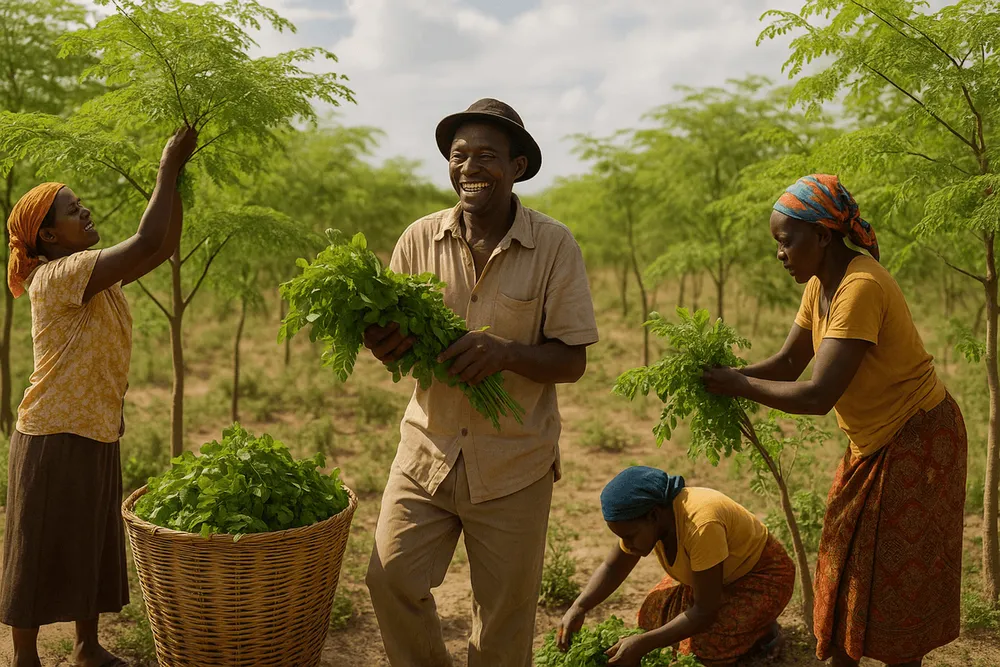
Personal stories bring the statistics to life, showing how sustainable agriculture creates real change for real people. These testimonials demonstrate that Moringa’s benefits extend far beyond nutrition to include economic opportunity, food security, and community empowerment.
Moringa changed everything for our village. We now have food security, clean water, and income from selling the leaves. It’s truly a miracle tree.
Before Moringa, our children were malnourished. Now they’re healthy and strong, and we have extra income to send them to school.
These stories represent thousands of similar experiences around the world, where Moringa has created positive change for families and communities. Each story demonstrates how sustainable agriculture can transform lives while protecting the environment.
How You Can Help
When you choose Moringa, you’re supporting sustainable agriculture and community development worldwide. Your purchasing decisions and advocacy can create positive ripple effects that extend from your kitchen to farming communities across the globe.
Supporting sustainable Moringa cultivation means choosing products that align with values of environmental protection, fair trade, and community empowerment. These choices ensure that your support reaches the farmers and communities who need it most.
Choose Quality Products
Select Moringa products that support sustainable practices and fair trade principles. Look for organic certifications, support fair trade practices, and choose companies with clear sustainability commitments that benefit farming communities.
- Look for organic certifications
- Support fair trade practices
- Choose companies with sustainability commitments
By making informed choices about the Moringa products you purchase, you directly contribute to sustainable farming practices and community development. Your support helps create a positive cycle that benefits farmers, their families, and the environment.
Spread Awareness
Help others learn about Moringa’s benefits and sustainable impact. Share information about Moringa’s benefits with others, support organizations promoting Moringa cultivation, and learn more about sustainable agriculture to become an informed advocate.
- Share Moringa’s benefits with others
- Support organizations promoting Moringa cultivation
- Learn about sustainable agriculture
When you share knowledge about Moringa’s sustainable benefits, you help build a community of informed consumers who can make choices that support positive global change. Education and awareness are powerful tools for creating sustainable impact.
Your choices as a consumer and advocate can create meaningful change. When we collectively support sustainable agriculture through our purchasing decisions and awareness, we contribute to a global movement that benefits farmers, communities, and the planet.
In Summary
Moringa represents a model for sustainable agriculture that addresses multiple global challenges simultaneously. From environmental protection through water efficiency and carbon sequestration, to community development through economic opportunities and food security, Moringa demonstrates how sustainable solutions can create comprehensive positive impact.
The sustainability story of Moringa shows us that we can have agriculture that is both productive and environmentally responsible, that supports communities while protecting natural resources, and that addresses immediate needs while building long-term resilience. This comprehensive approach to sustainability makes Moringa not just a superfood, but a super solution for sustainable development worldwide.
Disclaimer
Information presented here is for educational purposes only. It is not medical advice or a substitute for consultation with a qualified healthcare professional. Statements have not been evaluated by the FDA and are not intended to diagnose, treat, cure, or prevent any disease.