The Vitamin C Showdown: Moringa vs Oranges
When comparing vitamin C content, Moringa powder and fresh oranges offer interesting nutritional profiles. Understanding how these two sources measure up helps you make informed decisions about incorporating vitamin C into your daily wellness routine. This comparison explores the numbers, the science, and the practical benefits of each option.
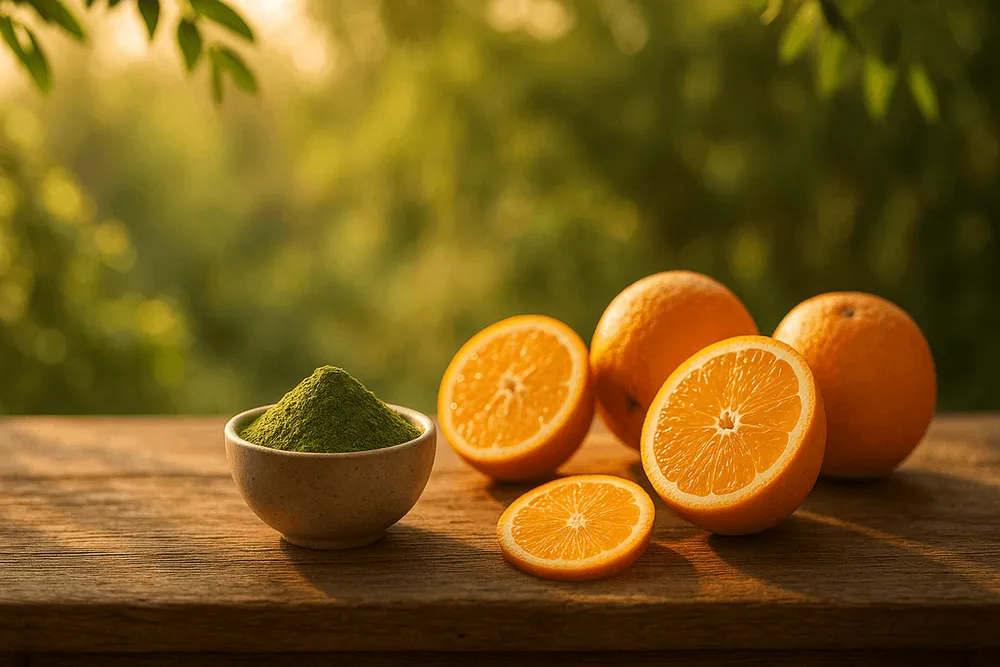
When considering vitamin C sources, Moringa powder contains significantly more vitamin C per teaspoon compared to fresh oranges. This remarkable concentration makes Moringa an excellent choice for supporting your immune system and overall wellness, especially when you’re looking for a convenient, shelf-stable form of this essential nutrient.
Understanding the Numbers
Comparing vitamin C content between Moringa powder and fresh oranges requires looking at the actual numbers. The comparison reveals important differences in concentration, which stem from the form and processing of each source.
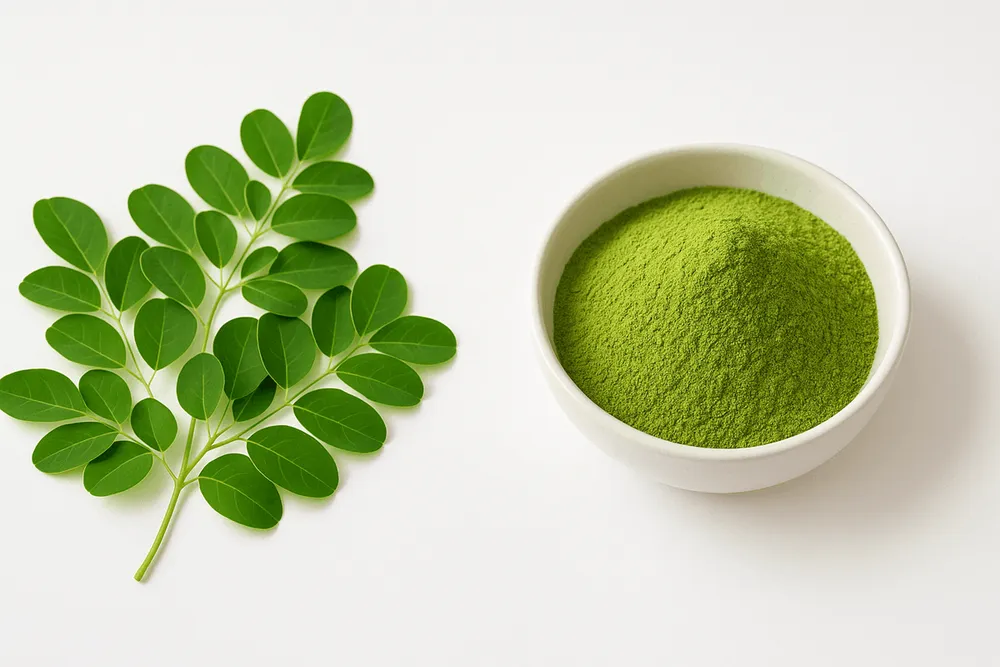
The nutritional breakdown shows why Moringa powder is considered a concentrated source of vitamin C. Here’s how the numbers compare when you look at practical serving sizes:
Fresh Orange
Per medium orange (154g)
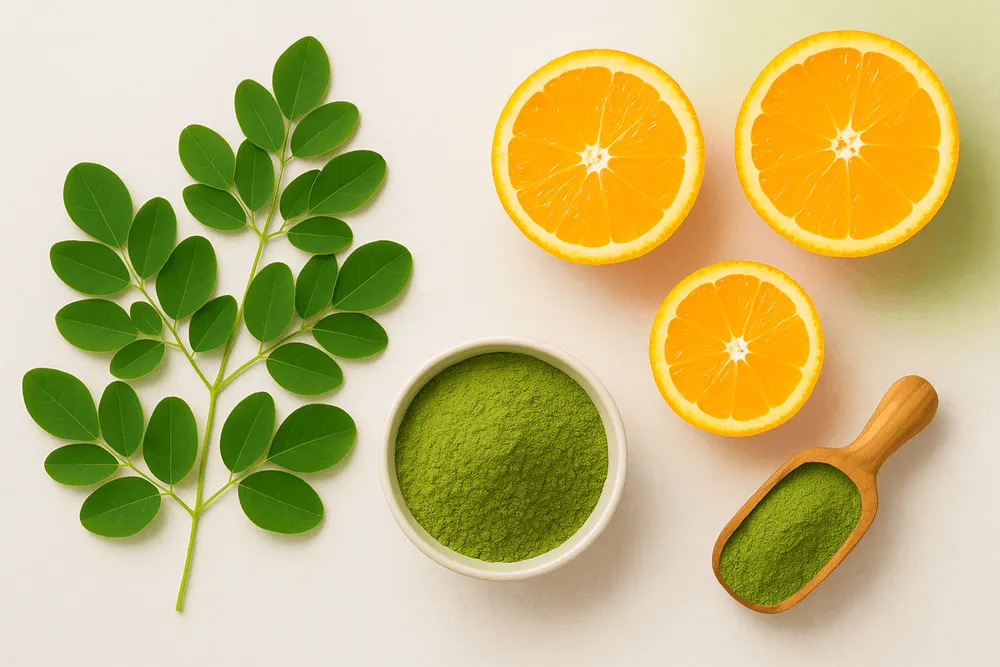
A medium-sized fresh orange provides approximately 70mg of vitamin C, along with dietary fiber, natural sugars, and hydration. This whole-food form offers immediate freshness and the satisfaction of eating a complete piece of fruit.
Moringa Powder
Per teaspoon (2g)
Moringa powder delivers approximately 117mg of vitamin C per teaspoon, making it one of the most concentrated plant-based sources available. This dried form provides convenience and versatility while maintaining significant nutritional value.
The concentration difference becomes clear when you consider that Moringa powder is dehydrated, removing water weight and concentrating the nutrients. Fresh oranges contain significant water content, which dilutes the vitamin C per gram, but provides hydration and fiber that powder doesn’t offer.
Understanding Manufacturing Impact
It’s important to understand how the manufacturing process affects vitamin C content in powdered Moringa. Fresh Moringa leaves naturally contain very high levels of vitamin C, but the process of drying and powdering can reduce this amount. However, this doesn’t diminish the value of Moringa powder, it simply means understanding the practical benefits of choosing powder form.
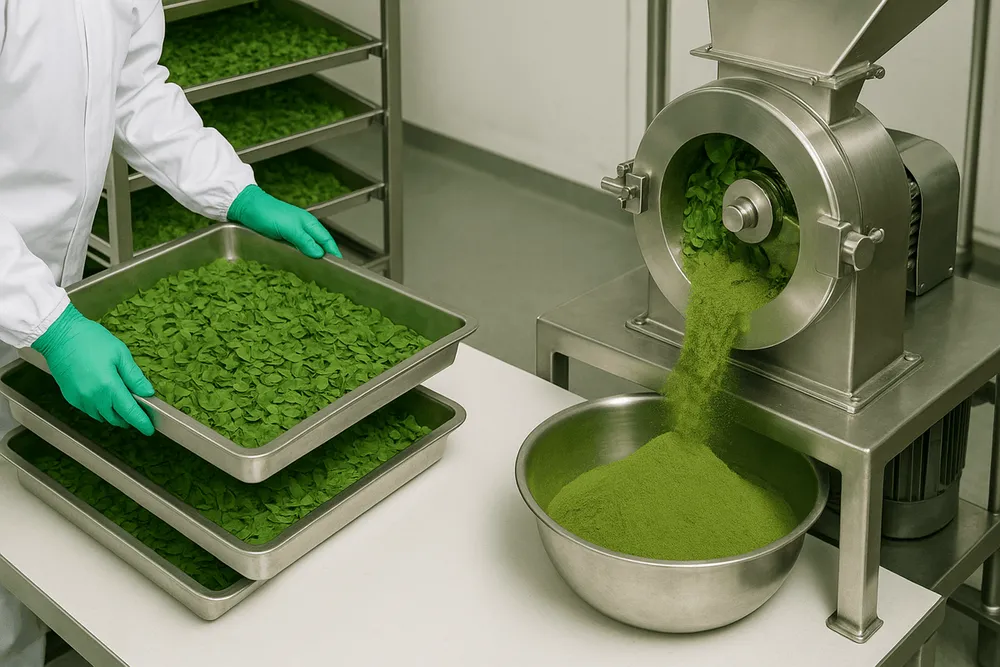
Fresh Moringa leaves contain exceptional levels of vitamin C, often higher than what’s found in the final powdered product. The transformation from fresh leaves to shelf-stable powder involves drying and processing, which can reduce some heat-sensitive nutrients like vitamin C. However, Moringa powder still provides substantial vitamin C content, and choosing powder form offers unique advantages beyond just vitamin C concentration.
Shelf Stability
Powdered Moringa offers extended shelf life and doesn’t require refrigeration, making it practical for daily use and storage. This convenience factor is valuable for maintaining consistent nutritional intake.
Versatile Usage
Powder form allows easy incorporation into smoothies, beverages, recipes, and meals without the texture of fresh leaves. This versatility makes it simple to add Moringa to your existing routine.
Complete Nutrition Profile
Beyond vitamin C, Moringa powder provides a comprehensive array of nutrients including protein, iron, calcium, and numerous antioxidants. The powder form preserves most of these other nutrients effectively, offering complete nutritional support.
While fresh Moringa leaves may contain higher vitamin C levels, powdered Moringa remains an excellent source of this essential nutrient while providing practical benefits that make it valuable for daily nutrition. The key is choosing high-quality, properly processed powder that preserves maximum nutrient content.
Why This Matters for Your Health
Vitamin C plays crucial roles in maintaining optimal health, supporting multiple systems in your body. Understanding these benefits helps you appreciate why incorporating vitamin C-rich sources like Moringa into your routine can be valuable for your overall wellness.
Vitamin C is a water-soluble vitamin that your body cannot produce on its own, making dietary intake essential. This nutrient participates in numerous biological processes that are fundamental to health and wellbeing.
Immune System Support
Vitamin C supports the normal function of your immune system by helping white blood cells function effectively and protecting cells from oxidative damage. Regular intake supports your body’s natural defense mechanisms.
Antioxidant Protection
As a powerful antioxidant, vitamin C helps neutralize free radicals that can cause cellular damage. This protective function supports overall health and may contribute to healthy aging.
Collagen Production
Vitamin C is essential for collagen synthesis, which maintains healthy skin, bones, cartilage, and connective tissues. This structural support function is crucial for maintaining strength and elasticity throughout your body.
These three primary functions of vitamin C - immune support, antioxidant protection, and collagen synthesis - work together to maintain your body’s health and vitality. Regular intake of vitamin C-rich sources like Moringa helps ensure your body has the nutrients it needs to function optimally.
Daily Requirements
The recommended daily intake of vitamin C varies by age and gender, with most adults needing between 75-90mg per day. Understanding these requirements helps you plan your intake effectively.
Adult Men
90mg per day
Adult Women
75mg per day
These recommendations represent the minimum amounts needed to prevent deficiency. Many people choose to consume higher amounts for optimal health support, and Moringa powder makes it easy to exceed the daily requirement with just a small amount.
How to Incorporate Moringa for Vitamin C Benefits
Adding Moringa powder to your routine is simple and versatile. The powder form integrates seamlessly into various foods and beverages, making it easy to incorporate into meals and snacks throughout your day.
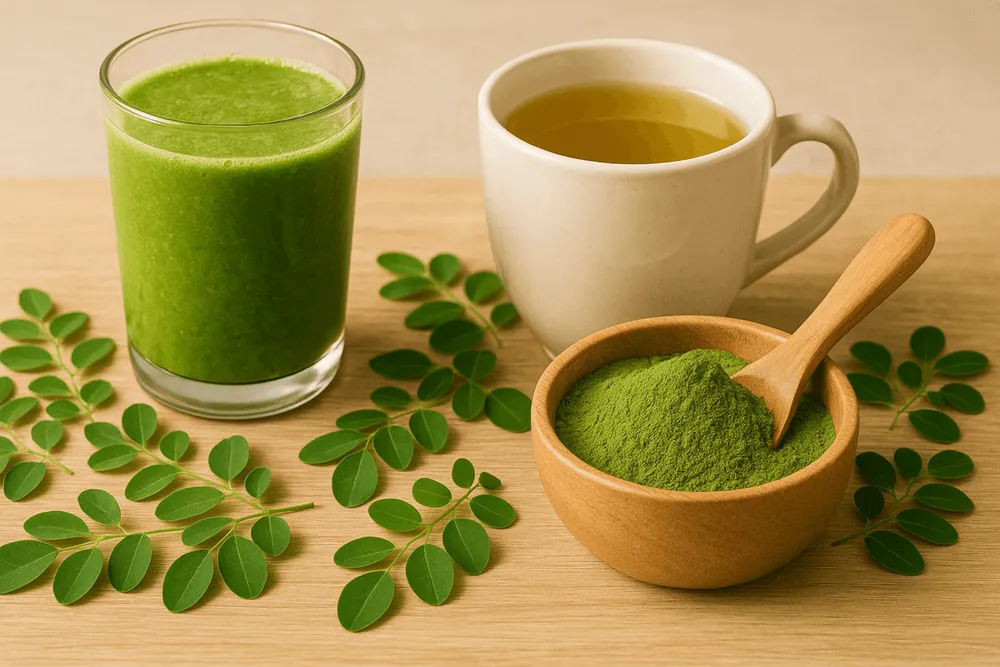
The versatility of Moringa powder means you can get its vitamin C benefits in numerous practical ways. Experiment with different methods to find what works best for your preferences and lifestyle.
Morning Smoothie
Blend Moringa powder into your favorite fruit smoothie for a nutrient-packed start to your day. The fruit flavors complement Moringa’s earthy taste, and you’ll get a significant vitamin C boost along with other nutrients.
Tea or Warm Beverage
Mix Moringa powder with green tea, herbal tea, or warm water with lemon for a refreshing, nutrient-rich beverage. This method works well if you prefer to consume it separately from meals.
Salads and Dressings
Sprinkle Moringa powder over salads or incorporate it into homemade salad dressings. This adds nutritional value while introducing a subtle, earthy flavor that complements fresh vegetables.
Start with smaller amounts and gradually increase based on your preference. The key is finding methods that work for you so that incorporating Moringa becomes a sustainable part of your routine.
The Science Behind the Comparison
Understanding why Moringa powder appears to have higher vitamin C content per gram compared to fresh oranges involves looking at the science of nutrient concentration, food processing, and how different forms affect nutritional density.
The comparison between Moringa powder and fresh oranges highlights important principles about how food form affects nutrient density. Several factors explain why powdered forms can appear more concentrated than whole foods.
Concentrated Form
Moringa powder is made from dried leaves, which removes water weight and concentrates nutrients. Fresh oranges contain significant water and fiber that dilute the vitamin C content per gram, though they provide hydration and satiety benefits.
Processing Methods
Quality processing methods can preserve vitamin C content in Moringa powder through careful temperature control and proper storage. However, it’s important to note that some vitamin C may be lost during drying compared to fresh leaves.
Complete Nutrition Profile
Unlike oranges which primarily offer vitamin C and some fiber, Moringa provides vitamin C along with other essential nutrients like iron, calcium, protein, and numerous antioxidants. This comprehensive nutritional profile adds value beyond just vitamin C.
Both Moringa powder and fresh oranges have their place in a balanced diet. Oranges offer hydration, fiber, natural sugars, and the satisfaction of whole food. Moringa powder provides concentrated nutrients, convenience, and shelf stability. Choosing between them, or using both, depends on your specific nutritional goals and preferences.
Important Considerations
When incorporating Moringa powder into your routine for vitamin C benefits, several factors can help you maximize its nutritional value and ensure you’re getting the best quality product.
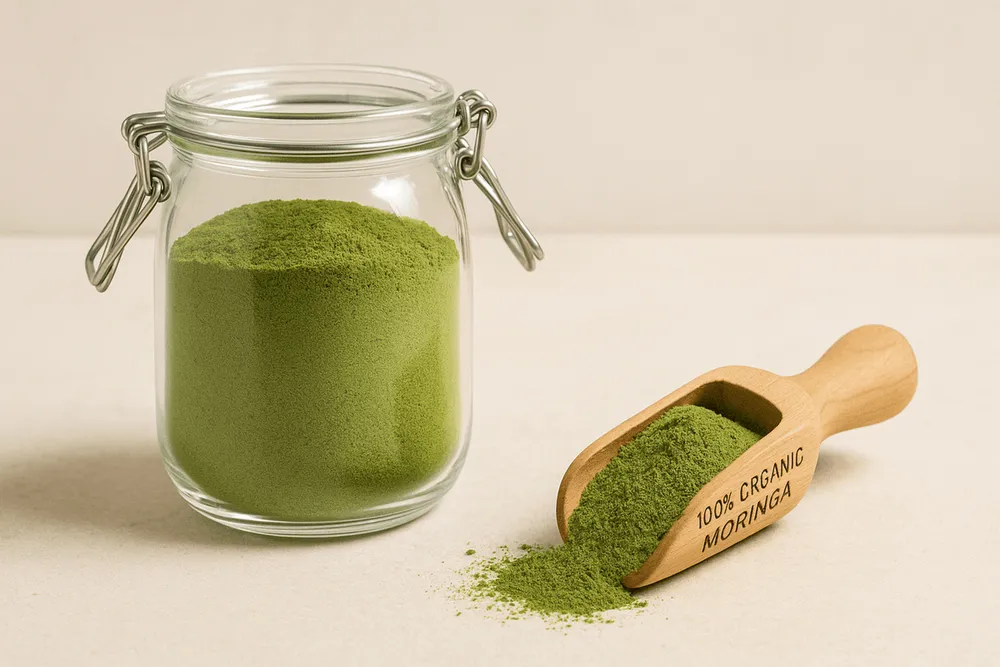
Quality and storage practices significantly impact the vitamin C content and overall nutritional value of Moringa powder. Understanding these considerations helps you make informed choices and preserve nutrients effectively.
Choose Quality Products
Select organic, high-quality Moringa powder from reputable sources. Quality processing methods preserve more nutrients, including vitamin C, ensuring you get maximum nutritional value from your supplement.
Proper Storage
Store Moringa powder in a cool, dry place away from direct light to preserve vitamin C content. Vitamin C is sensitive to heat, light, and oxygen, so proper storage helps maintain nutritional value over time.
Start Gradually
Begin with small amounts and gradually increase based on your tolerance and preferences. This approach helps your body adjust and allows you to find the amount that works best for your individual needs.
Remember that while Moringa powder is an excellent source of vitamin C, it’s just one part of a balanced approach to nutrition. Combining it with other vitamin C-rich foods and maintaining a varied diet provides the best foundation for optimal health.
Conclusion
The comparison between Moringa powder and fresh oranges reveals that both sources offer valuable vitamin C benefits, each with unique advantages. Moringa powder provides concentrated vitamin C in a convenient, shelf-stable form, while fresh oranges offer whole-food benefits including hydration and fiber.
In Summary: Moringa powder contains significantly more vitamin C per teaspoon compared to fresh oranges, making it an efficient choice for boosting your vitamin C intake. However, understanding that fresh leaves contain even higher levels helps you appreciate the full nutritional potential of this remarkable plant. The powdered form offers practical benefits including shelf stability, versatility, and comprehensive nutrition beyond just vitamin C, making it a valuable addition to a balanced wellness routine.
Disclaimer
Information presented here is for educational purposes only. It is not medical advice or a substitute for consultation with a qualified healthcare professional. Statements have not been evaluated by the FDA and are not intended to diagnose, treat, cure, or prevent any disease.