Complete Guide to Moringa’s Vitamin Content
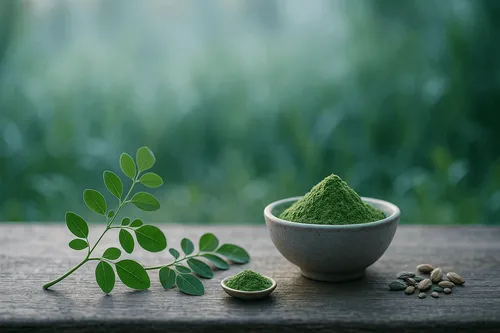
Moringa oleifera is often called nature’s multivitamin for good reason. This incredible superfood contains an impressive array of vitamins that can significantly boost your daily nutritional intake. Understanding Moringa’s vitamin profile helps you appreciate the full scope of its nutritional power and make informed decisions about incorporating it into your wellness routine.
Moringa’s vitamin content is remarkable not just for the quantity of vitamins it provides, but also for their natural, bioavailable form. Unlike synthetic vitamin supplements, Moringa offers these nutrients in their natural state, which your body can utilize more effectively. Let’s explore each vitamin in detail to understand their specific benefits and contributions to overall health.
The Vitamin Breakdown: What’s Inside Moringa?
When you consume just one teaspoon of Moringa powder, you’re getting a concentrated dose of essential vitamins that your body needs for optimal health. Each vitamin plays a unique role in supporting different aspects of wellness, from vision and immunity to bone health and cellular protection.
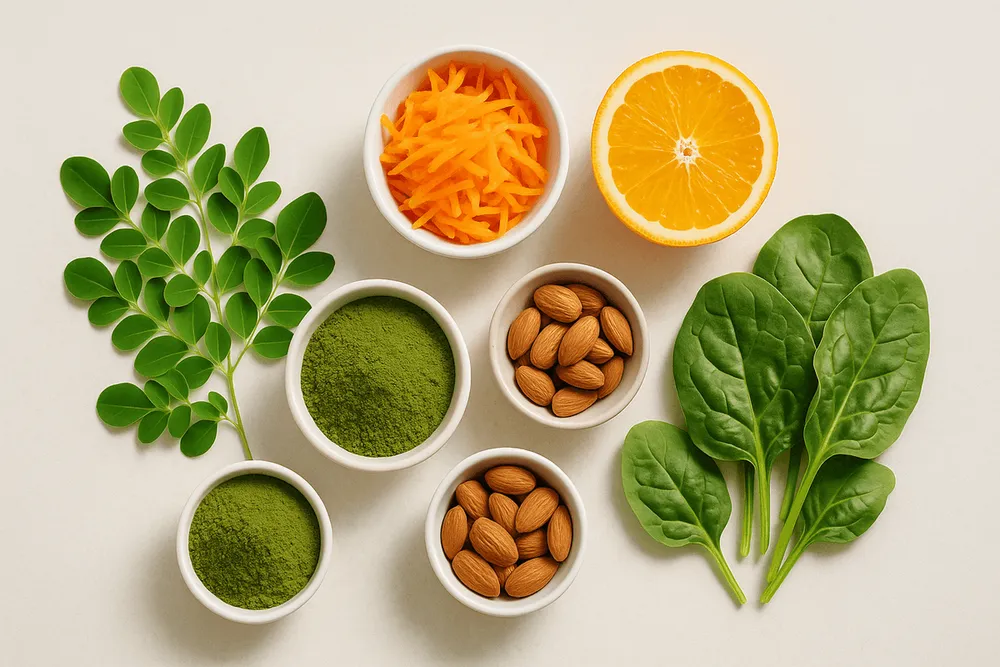
The following vitamins are found in significant amounts in Moringa powder, making it an efficient way to boost your daily nutritional intake. Understanding each vitamin’s specific benefits helps you appreciate how Moringa supports your health.
Vitamin A: The Vision Vitamin
Up to 110% of your Daily Value (DV) per teaspoon
Moringa is exceptionally rich in beta-carotene, which your body converts into Vitamin A. This fat-soluble vitamin is crucial for maintaining healthy vision, supporting immune function, and promoting healthy skin and cell growth. Unlike synthetic Vitamin A supplements, Moringa provides natural beta-carotene, which your body converts only as needed, reducing the risk of toxicity.
- Eye Health: Essential for maintaining healthy vision, especially in low-light conditions
- Immune Function: Supports the proper functioning of your immune system
- Skin Health: Promotes healthy skin and mucous membranes
- Cell Growth: Plays a vital role in cell differentiation and growth
Vitamin A’s natural beta-carotene form in Moringa offers a safe and effective way to support vision, immunity, and cellular health when incorporated as part of a balanced diet.
Vitamin C: The Immunity Booster
Up to 117% of your Daily Value (DV) per teaspoon
Moringa’s Vitamin C content is remarkable, often exceeding that of citrus fruits. This water-soluble vitamin is essential for immune function, antioxidant protection, and collagen production. Since Vitamin C is water-soluble and your body doesn’t store it, regular intake is crucial for maintaining optimal levels.
- Immune Support: Stimulates the production and function of white blood cells
- Antioxidant Power: Protects cells from damage caused by free radicals
- Collagen Production: Essential for healthy skin, bones, and connective tissues
- Iron Absorption: Enhances the absorption of plant-based iron
Regular intake of Moringa’s Vitamin C helps maintain optimal immune function and antioxidant protection, supporting your body’s natural defense systems and overall wellness.
Vitamin E: The Antioxidant Guardian
Up to 33% of your Daily Value (DV) per teaspoon
This powerful antioxidant vitamin plays multiple roles in your health, from protecting cell membranes to supporting skin health and cardiovascular wellness. Moringa provides natural Vitamin E, which is more bioavailable than synthetic forms commonly found in supplements.
- Cell Protection: Protects cell membranes from oxidative damage
- Skin Health: Promotes healthy, youthful-looking skin
- Heart Health: May help protect against cardiovascular disease
- Immune Function: Supports a healthy immune response
The natural Vitamin E found in Moringa works synergistically with other antioxidants to provide comprehensive cellular protection and support multiple aspects of your health.
Vitamin K: The Blood and Bone Vitamin
Up to 50% of your Daily Value (DV) per teaspoon
Often overlooked but incredibly important, Vitamin K plays essential roles in blood clotting, bone health, and cardiovascular wellness. Moringa provides Vitamin K1, the form found in green leafy vegetables, making it an excellent plant-based source of this crucial nutrient.
- Blood Clotting: Essential for proper blood coagulation
- Bone Health: Helps maintain strong, healthy bones
- Heart Health: May help prevent arterial calcification
- Brain Function: Emerging research suggests benefits for cognitive health
Vitamin K1 from Moringa provides essential support for blood clotting, bone strength, and cardiovascular health, making it a valuable addition to a balanced nutritional routine.
Together, these four essential vitamins create a powerful nutritional foundation that supports multiple aspects of health. The combination of fat-soluble vitamins (A, E, K) and water-soluble Vitamin C ensures comprehensive nutritional coverage, with each vitamin working synergistically to support overall wellness.
How Moringa Compares to Other Sources
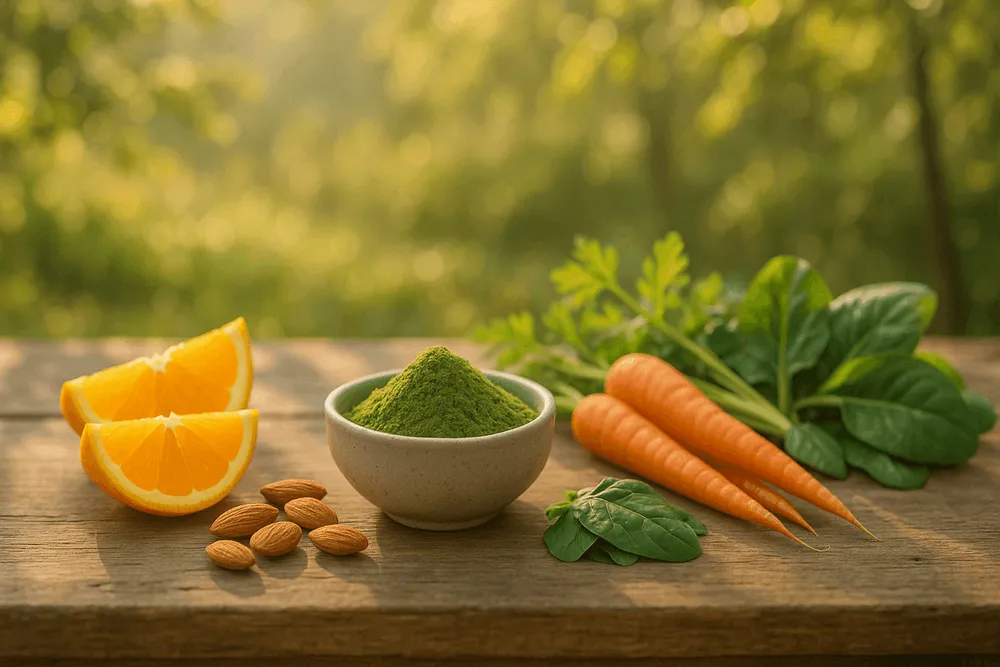
Understanding how Moringa’s vitamin content compares to common food sources helps illustrate its remarkable nutritional density. These comparisons demonstrate why Moringa has earned its reputation as nature’s multivitamin.
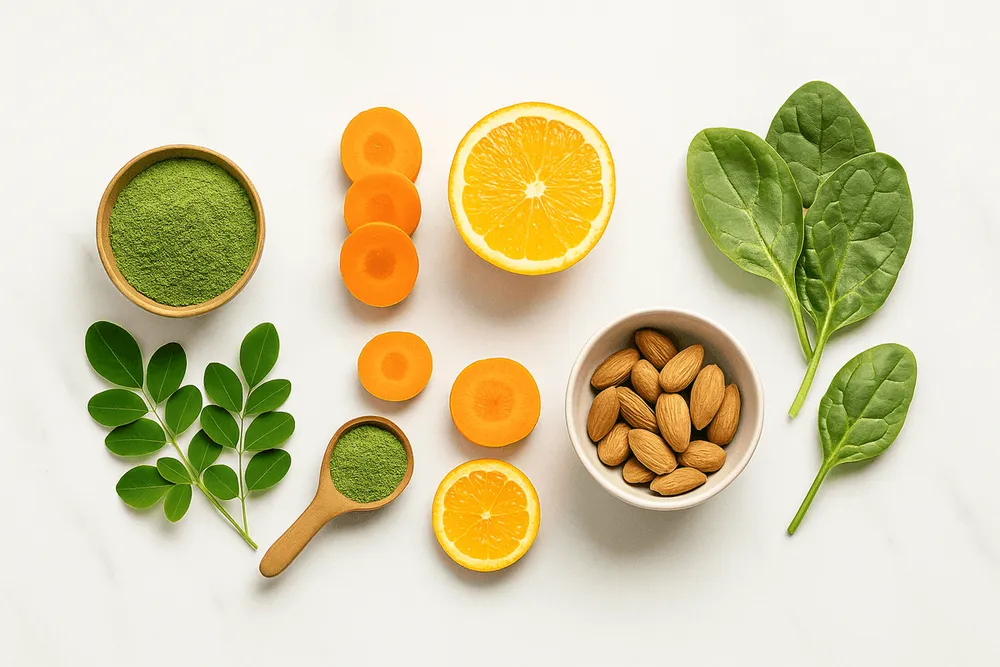
The following comparison shows Moringa’s vitamin content per teaspoon compared to typical servings of common vitamin-rich foods. These comparisons highlight Moringa’s exceptional nutrient density and efficiency.
Vitamin A Comparison
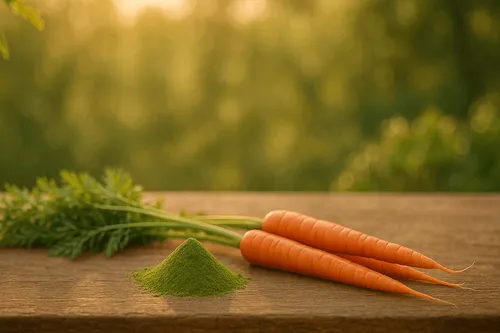
Moringa provides 110% DV per teaspoon, while carrots offer approximately 20% DV. This means Moringa delivers 5.5x more Vitamin A than carrots, making it an incredibly efficient source of this essential nutrient.
Vitamin C Comparison
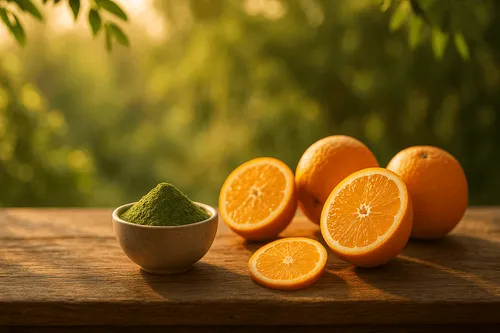
Moringa offers 117% DV per teaspoon, while oranges provide approximately 15% DV. This means Moringa contains 7.8x more Vitamin C than oranges, showcasing its exceptional antioxidant capacity.
Vitamin E Comparison
Moringa delivers 33% DV per teaspoon, while almonds offer approximately 8% DV. This means Moringa provides 4.1x more Vitamin E than almonds, making it a powerful source of this important antioxidant.
Vitamin K Comparison
Moringa provides 50% DV per teaspoon, while spinach offers approximately 12% DV. This means Moringa contains 4.2x more Vitamin K than spinach, demonstrating its superior nutrient density for this essential vitamin.
These comparisons clearly illustrate Moringa’s exceptional vitamin density. When you consider that just one teaspoon of Moringa powder can provide significant portions of your daily vitamin needs across multiple essential nutrients, it becomes clear why this superfood has earned such high praise in the nutritional world.
Maximizing Vitamin Absorption
Understanding how to maximize the absorption of Moringa’s vitamins helps you get the most benefit from this nutrient-dense superfood. Different vitamins have different absorption requirements, and knowing these can significantly enhance their effectiveness.
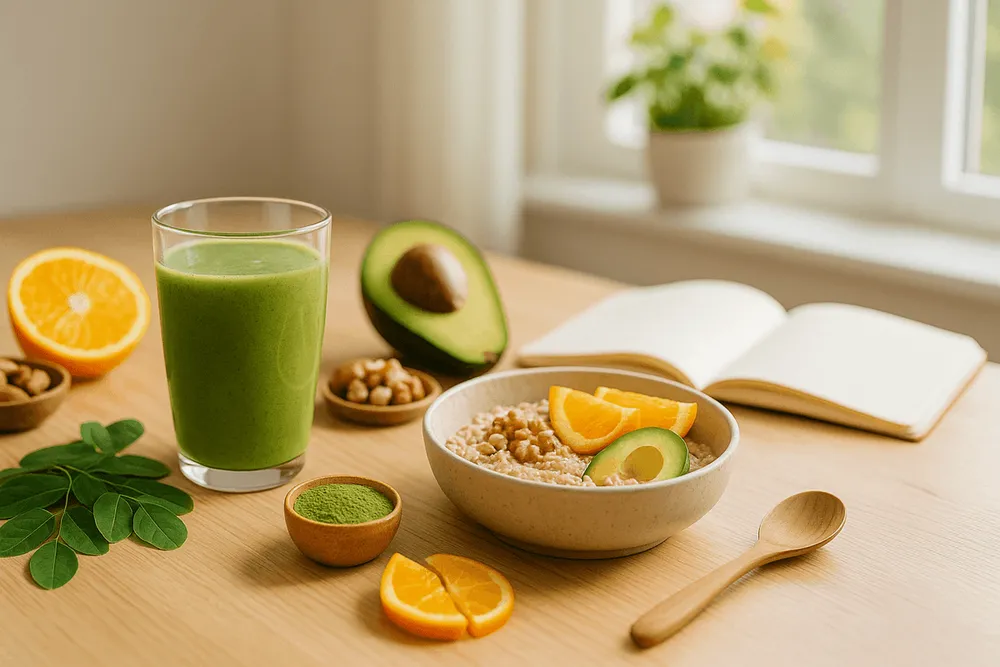
The following tips help you optimize vitamin absorption from Moringa, ensuring you get maximum nutritional benefit from each serving. These strategies are based on how different types of vitamins are processed by your body.
Fat-Soluble Vitamins (A, E, K)
Vitamins A, E, and K are fat-soluble, meaning they require healthy fats for optimal absorption. Pairing Moringa with foods containing healthy fats significantly enhances your body’s ability to utilize these important nutrients.
- Consume with healthy fats: Add Moringa to smoothies with avocado, nuts, or coconut oil
- Timing matters: Take with meals for better absorption
- Storage: Keep Moringa powder in a cool, dark place to preserve vitamin content
Following these strategies ensures that your body can effectively absorb and utilize fat-soluble vitamins from Moringa, maximizing the nutritional benefits you receive from each serving.
Water-Soluble Vitamins (C)
Vitamin C is water-soluble, which means your body doesn’t store it and requires regular intake. Proper storage and preparation methods help preserve this essential vitamin’s potency.
- Fresh is best: Use Moringa powder within 6 months of opening
- Avoid heat: Don’t cook Moringa at high temperatures to preserve Vitamin C
- Regular intake: Since it’s not stored, consume daily
Since your body doesn’t store Vitamin C, daily intake through Moringa helps maintain consistent levels and ensures you receive ongoing immune support and antioxidant protection.
By following these absorption strategies, you can maximize the nutritional benefits of Moringa’s vitamin content. The combination of proper timing, food pairing, and storage helps ensure that you’re getting the most from this nutrient-dense superfood.
Incorporating Moringa for Vitamin Benefits
There are many creative and practical ways to incorporate Moringa into your daily routine to reap its vitamin benefits. From smoothies to salads, Moringa’s versatility makes it easy to add to your favorite foods and beverages.
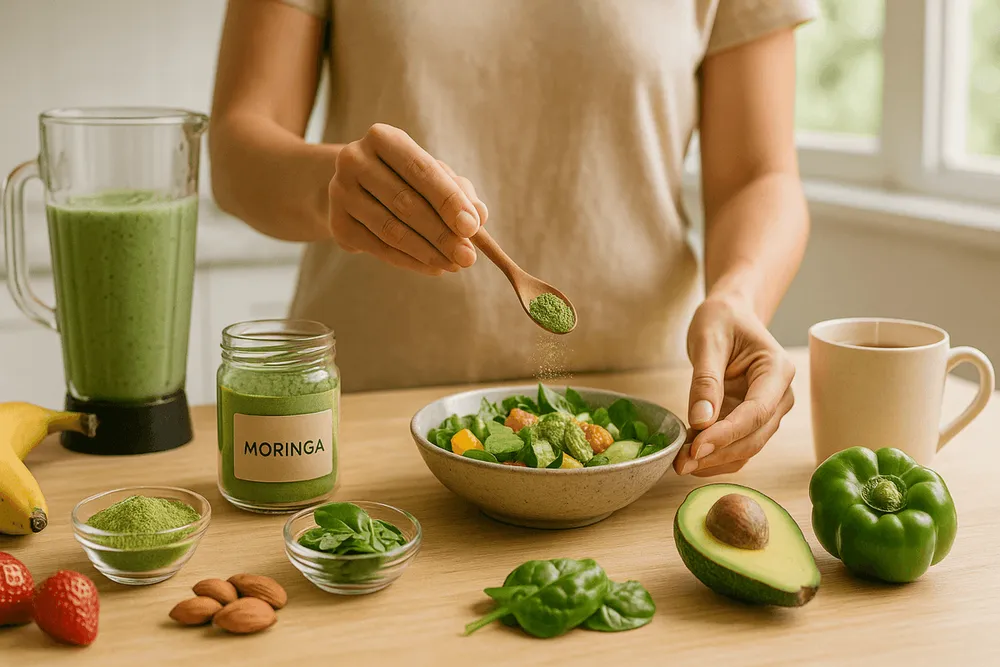
The following ideas show practical ways to add Moringa to your meals and snacks, making it simple to boost your daily vitamin intake. These suggestions work well for both fat-soluble and water-soluble vitamins, ensuring optimal absorption.
Morning Smoothie
Start your day with a vitamin-packed smoothie that includes healthy fats for optimal absorption of fat-soluble vitamins.
- 1 teaspoon Moringa powder
- 1 banana
- 1/2 avocado (for fat-soluble vitamin absorption)
- 1 cup spinach
- 1 cup almond milk
This smoothie provides a perfect combination of nutrients, including healthy fats that enhance the absorption of fat-soluble vitamins while delivering an amazing start to your day.
Salad Enhancement
Add Moringa to your salads for an extra vitamin boost that enhances both nutrition and flavor.
- Sprinkle Moringa powder on salads
- Mix into salad dressings
- Add to guacamole or hummus
Adding Moringa to salads and dressings is an easy way to boost your daily vitamin intake while benefiting from the fresh flavors of your favorite healthy meals.
Beverage Options
Mixing Moringa into beverages is an easy way to boost your daily vitamin intake throughout the day.
- Stir into fresh fruit juices
- Add to herbal teas
- Mix with coconut water
Beverages offer a convenient way to incorporate Moringa throughout your day, making it simple to maintain consistent vitamin intake alongside your hydration routine.
These incorporation methods make it easy to add Moringa to your daily routine while maximizing vitamin absorption. The key is to experiment and find the methods that work best for your lifestyle and taste preferences.
Safety and Considerations
While Moringa’s vitamins are generally safe and beneficial, there are important considerations to keep in mind, especially regarding Vitamin A and product quality. Understanding these factors helps ensure safe and effective use of Moringa for vitamin supplementation.
The following guidelines help you use Moringa safely and effectively for vitamin benefits. These considerations are particularly important for certain populations and when choosing high-quality products.
Vitamin A Precautions
While Moringa’s beta-carotene form of Vitamin A is generally safer than synthetic forms, certain situations require extra caution.
- Pregnancy: Consult your healthcare provider before taking high doses
- Medications: Some medications may interact with high Vitamin A intake
- Natural form: Moringa’s beta-carotene is generally safe as your body converts only what it needs
While Moringa’s natural beta-carotene form is generally safer than synthetic Vitamin A supplements, consulting with healthcare professionals ensures appropriate use for your individual situation.
Quality Matters
The quality of Moringa powder directly impacts its vitamin content and effectiveness. Choosing high-quality products ensures you get the maximum nutritional benefit.
- Source: Choose organic, high-quality Moringa powder
- Processing: Look for products processed at low temperatures
- Testing: Ensure third-party testing for purity and potency
Investing in high-quality Moringa products ensures you receive the full vitamin content and nutritional benefits, making your supplementation more effective and reliable.
By keeping these safety considerations in mind and choosing high-quality Moringa products, you can safely and effectively benefit from Moringa’s impressive vitamin content. Always consult with healthcare professionals when in doubt, especially if you have specific health concerns or are taking medications.
The Bottom Line
Moringa powder offers an exceptional concentration of essential vitamins in a natural, bioavailable form. With just one teaspoon providing significant portions of your daily vitamin needs, it’s an efficient way to boost your nutritional intake.
The combination of vitamins A, C, E, and K in Moringa creates a powerful nutritional synergy that supports multiple aspects of your health, from immune function to skin health to bone strength. When incorporated thoughtfully into a balanced diet, Moringa serves as an excellent natural multivitamin that supports overall wellness and vitality.
Disclaimer
Information presented here is for educational purposes only. It is not medical advice or a substitute for consultation with a qualified healthcare professional. Statements have not been evaluated by the FDA and are not intended to diagnose, treat, cure, or prevent any disease.