How to Choose the Best Moringa Powder: A Complete Buyer’s Guide
Choosing the right Moringa powder can make a significant difference in the nutritional benefits you receive and the value you get for your money. With so many options available, knowing what to look for helps you identify high-quality products that deliver on their promises. This comprehensive guide covers everything you need to know to make an informed purchasing decision.
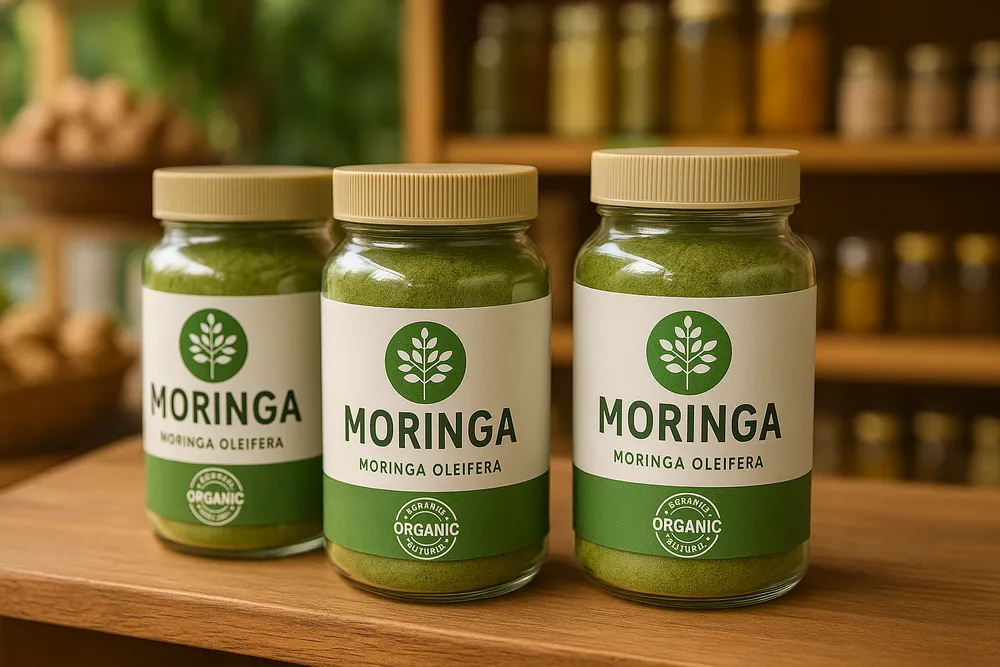
Quality matters when it comes to Moringa powder. The best products come from carefully processed leaves, maintain their vibrant green color, and provide transparent information about their sourcing and testing. Understanding these quality indicators helps you avoid low-quality products and find Moringa powder that delivers real nutritional value.
Why Quality Matters
Not all Moringa powder is created equal. Quality affects everything from nutritional content to taste and safety. Understanding why quality matters helps you make better purchasing decisions and get the most value from your Moringa supplement.
High-quality Moringa powder comes from fresh, properly dried leaves that are ground at the right temperature to preserve nutrients. The processing method, storage conditions, and handling all impact the final product’s nutritional value and freshness. Lower quality products may have reduced nutrient content, unpleasant taste, or even contamination issues.
Investing in quality Moringa powder means you’re getting a product that delivers the nutritional benefits you’re seeking. While it might cost slightly more upfront, high-quality powder typically provides better value because you need less to achieve the same benefits, and you’re getting a safer, more effective product.
Visual Quality Indicators
The appearance of Moringa powder tells you a lot about its quality before you even open the container. Learning to recognize visual quality indicators helps you quickly identify products worth considering.
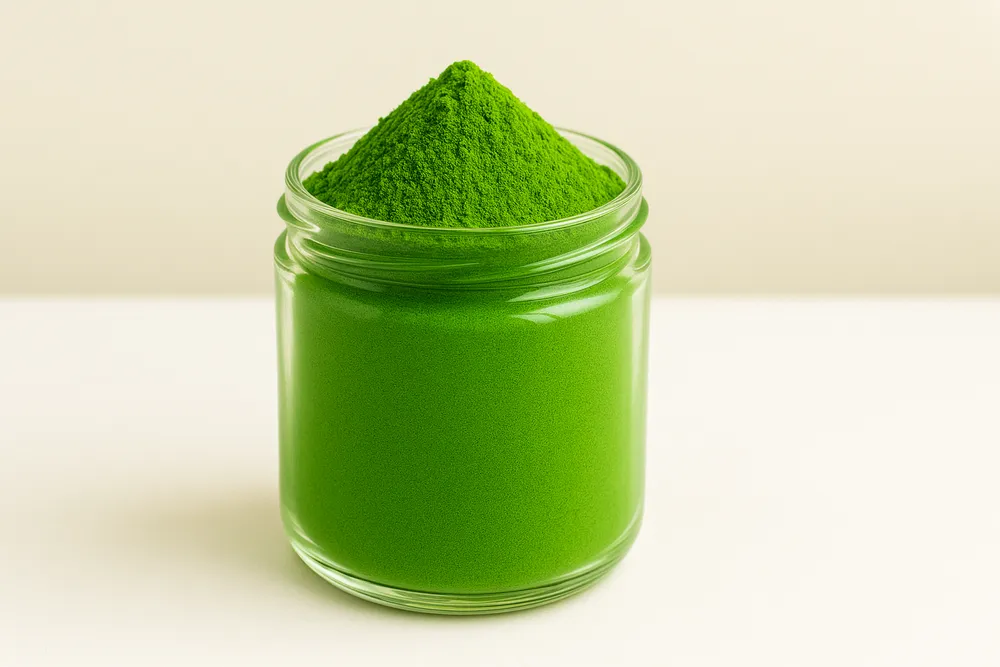
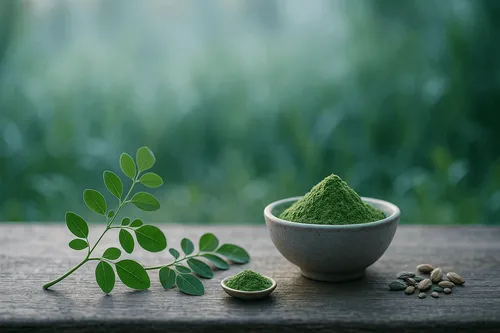
Color is one of the most reliable visual indicators of Moringa powder quality. High-quality powder should have a vibrant, rich green color that indicates the leaves were processed carefully to preserve their natural pigments and nutrients.
Vibrant Green Color
Look for powder with a rich, vibrant green color. Dull, brownish, or yellowish powder often indicates poor processing, old leaves, or improper storage that has degraded the nutrients.
Fine, Consistent Texture
Quality Moringa powder should have a fine, consistent texture without large chunks or stems. The powder should feel smooth when rubbed between your fingers, indicating proper grinding and processing.
Fresh, Earthy Aroma
High-quality Moringa powder should have a fresh, slightly earthy, and vegetal aroma. If the powder smells musty, stale, or has no aroma at all, it may be old or improperly stored.
These visual and sensory indicators provide immediate feedback about product quality. While they’re not the only factors to consider, they’re excellent starting points for evaluating Moringa powder before you purchase.
Organic Certification
Organic certification is one of the most important quality indicators for Moringa powder. Certified organic products have been verified to meet strict standards for growing, processing, and handling.
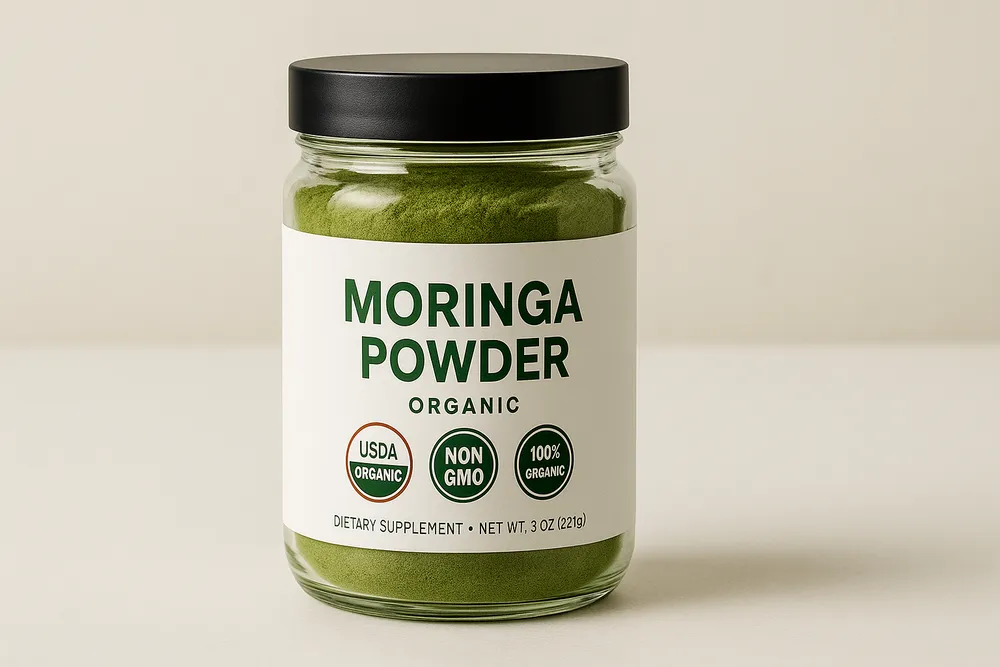
Organic certification ensures that the Moringa was grown without synthetic pesticides, herbicides, or fertilizers. This is particularly important for a supplement you’ll be consuming regularly, as it reduces your exposure to potentially harmful chemicals.
USDA Organic
The USDA Organic seal indicates the product meets strict organic standards. This certification requires annual inspections and verification that no prohibited substances were used in production.
Non-GMO Verification
Look for Non-GMO Project verification or similar certifications. This ensures the Moringa hasn’t been genetically modified and maintains its natural nutritional profile.
International Certifications
Products may also carry certifications from other countries or organizations like EU Organic, JAS (Japan), or other regional standards. These all indicate verified organic production methods.
While organic certification adds to the cost, it provides assurance about product purity and quality. For a daily supplement, this investment in certified organic Moringa powder is often worth the peace of mind and potential health benefits.
Sourcing and Origin
Understanding where your Moringa powder comes from provides important insights into quality, sustainability, and ethical production. Transparent brands share this information willingly.
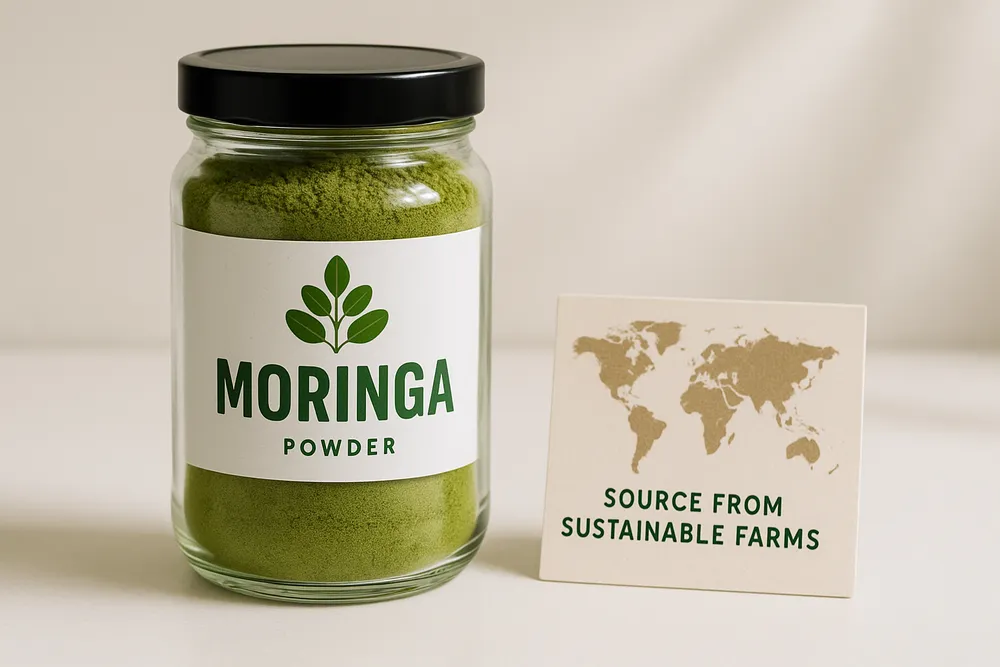
Moringa grows best in tropical and subtropical regions, with India, Africa, and parts of Central America being major growing regions. The climate, soil conditions, and farming practices in these regions all impact the final product quality.
Reputable brands provide information about where their Moringa is grown, how it’s processed, and the relationships they maintain with farmers. This transparency indicates a company that values quality and ethical sourcing over simply finding the cheapest supplier.
Origin Transparency
Look for brands that clearly state where their Moringa is grown. This information should be easy to find on the product label or website. Vague or missing origin information may indicate lower quality sourcing.
Fair Trade Practices
Some brands participate in fair trade programs that ensure farmers receive fair compensation. This often correlates with higher quality because farmers can invest in better growing and processing methods.
Sustainable Farming
Sustainable farming practices not only benefit the environment but often produce higher quality Moringa. Look for brands that discuss their commitment to sustainable agriculture and environmental responsibility.
When brands are transparent about sourcing, it’s a positive sign that they’re confident in their product quality and supply chain. This transparency also allows you to make informed decisions that align with your values regarding environmental and social responsibility.
Third-Party Testing
Third-party testing provides independent verification of product quality, purity, and nutritional content. This is one of the strongest indicators of a trustworthy brand.
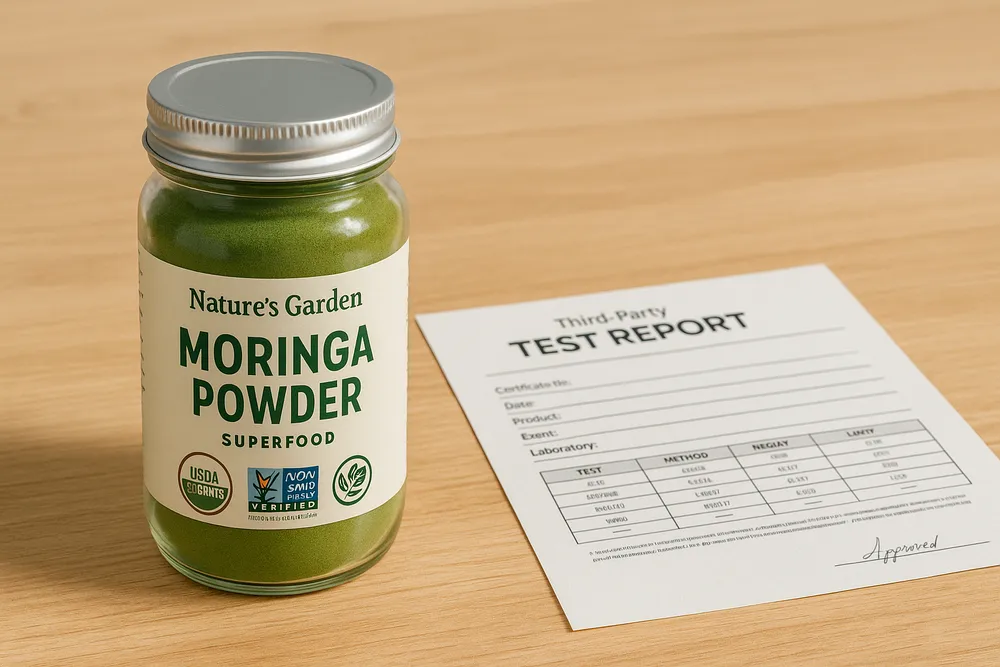
Third-party testing means an independent laboratory has analyzed the product to verify it contains what the label claims and is free from contaminants. This testing goes beyond what’s required by law and shows a brand’s commitment to quality assurance.
Reputable brands test for heavy metals, pesticides, microbial contamination, and nutritional content. They make these test results available to consumers, either on their website, through customer service, or printed on the packaging. This transparency builds trust and demonstrates confidence in product quality.
Purity Testing
Look for products tested for heavy metals (lead, mercury, cadmium, arsenic), pesticides, and microbial contamination. These tests ensure the product is safe for regular consumption.
Nutritional Verification
Some brands verify their nutritional content through third-party testing. This confirms you’re getting the vitamins, minerals, and other nutrients the label claims.
Certificate of Analysis
The best brands provide a Certificate of Analysis (COA) for each batch. This document shows the test results and can usually be accessed through their website or by contacting customer service.
Third-party testing adds cost to production, so brands that invest in it are typically committed to quality. When you see testing information prominently displayed, it’s a strong positive indicator of product quality and brand integrity.
Processing Methods
How Moringa leaves are processed significantly impacts the final product’s nutritional content and quality. Understanding processing methods helps you choose products that preserve maximum nutrients.
The best Moringa powder comes from leaves that are carefully harvested, quickly dried at low temperatures, and ground into a fine powder without excessive heat. This gentle processing preserves the delicate vitamins, antioxidants, and other nutrients that make Moringa valuable.
High-temperature processing or extended drying times can degrade nutrients, particularly heat-sensitive vitamins like vitamin C. Look for brands that discuss their processing methods and emphasize low-temperature drying and careful handling.
Some brands use freeze-drying or other advanced methods to preserve nutrients even better. While these methods may increase cost, they can result in superior nutritional content. Understanding these differences helps you evaluate whether the additional cost is worth the potential benefits.
Price vs Value
While price is an important consideration, focusing on value rather than just the lowest price helps you make better purchasing decisions. Quality Moringa powder may cost more, but it often provides better value.
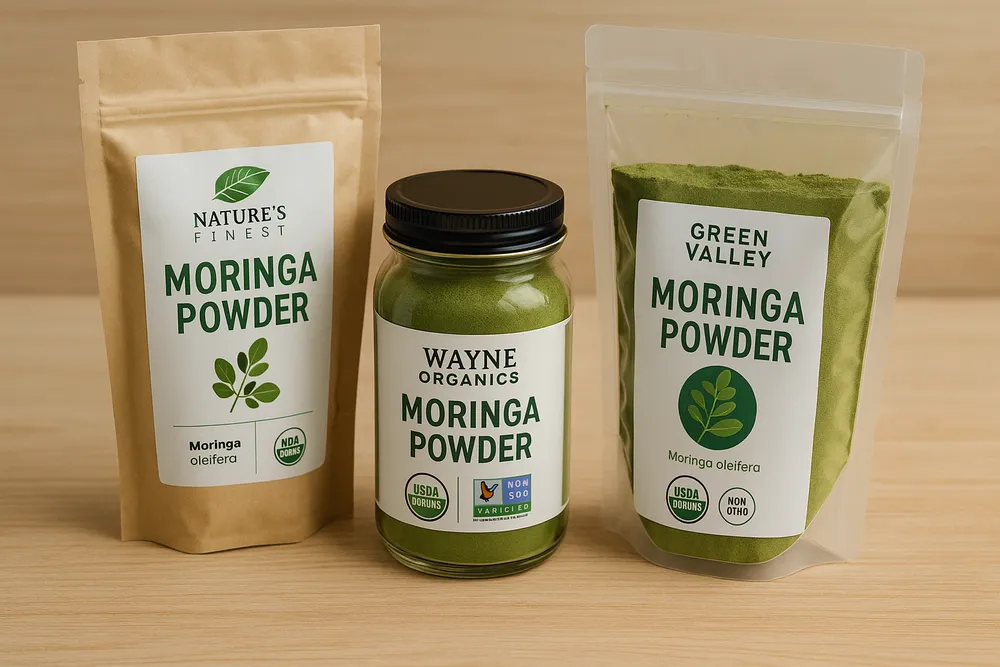
Value considers not just the price per ounce, but also the quality, nutritional content, and effectiveness of the product. A slightly more expensive powder that’s more concentrated or higher quality may actually cost less per serving of actual nutrition.
Cost Per Serving
Calculate the cost per serving rather than just the total price. A larger container may seem expensive but could provide better value if it lasts longer and requires smaller serving sizes.
Quality Investment
Investing in quality means you’re getting a product that delivers real benefits. Lower quality products may be cheaper but might not provide the nutritional value you’re seeking, making them poor value overall.
Packaging Quality
Quality packaging protects the powder from light, air, and moisture, preserving freshness and nutrients. While it adds to cost, proper packaging ensures the product maintains its quality throughout its shelf life.
The cheapest option isn’t always the best value. Consider all factors including quality, certifications, testing, and packaging when evaluating price. A slightly higher investment in quality Moringa powder often pays off in better results and satisfaction.
What to Avoid
Knowing what to avoid is just as important as knowing what to look for. Certain red flags indicate products you should skip, regardless of price or marketing claims.
Avoid products with vague or missing ingredient information. High-quality Moringa powder should clearly state it contains only Moringa leaf powder, with no fillers, additives, or other ingredients unless specifically stated.
Be cautious of products with unrealistic health claims or promises that seem too good to be true. Reputable brands make evidence-based claims and provide scientific support for their statements. Overly aggressive marketing often masks quality issues.
Avoid products that don’t provide information about sourcing, testing, or certifications. While not every brand needs every certification, complete lack of transparency is a red flag. Quality brands are proud to share information about their products.
Making Your Decision
With all these factors in mind, making your decision becomes a matter of prioritizing what matters most to you and finding products that meet your criteria within your budget.
Start by identifying your non-negotiable requirements. For most people, this includes organic certification and some form of quality assurance. Then consider which additional factors are most important to you, whether that’s specific certifications, sourcing transparency, or third-party testing.
Read reviews from verified purchasers, but take them with appropriate context. Look for patterns in reviews rather than individual extreme opinions. Consistent positive feedback about quality, taste, and effectiveness is a good sign.
Finally, consider starting with a smaller size to test a product before committing to a larger purchase. This allows you to evaluate quality, taste, and how well it works for you before making a larger investment.
Conclusion
Choosing the best Moringa powder requires attention to quality indicators, certifications, sourcing, and value. By understanding what to look for and what to avoid, you can make informed decisions that lead to products that deliver real nutritional benefits.
In Summary: Look for vibrant green color, organic certification, transparent sourcing information, and third-party testing when choosing Moringa powder. Consider value over just price, and avoid products with vague information or unrealistic claims. Quality indicators like certifications, testing, and transparency show a brand’s commitment to providing a superior product. Investing in quality Moringa powder ensures you get maximum nutritional benefits and value for your money.
Disclaimer
Information presented here is for educational purposes only. It is not medical advice or a substitute for consultation with a qualified healthcare professional. Statements have not been evaluated by the FDA and are not intended to diagnose, treat, cure, or prevent any disease.