Moringa for Weight Loss: Does It Really Work?
Many people wonder if Moringa can help with weight loss, and the answer is nuanced. Moringa isn’t a magic weight loss pill, but it can support healthy weight management when used as part of a balanced diet and active lifestyle. Understanding how Moringa works and what realistic expectations look like helps you make informed decisions about incorporating it into your wellness routine.

Weight management is complex and involves many factors including diet, exercise, sleep, stress management, and individual metabolism. Moringa can be a valuable tool in this process because of its nutrient density, protein and fiber content, and how it supports energy metabolism. However, it works best when combined with other healthy lifestyle choices rather than as a standalone solution.
Understanding Weight Loss and Moringa’s Role
Weight loss occurs when you consume fewer calories than you burn, creating a calorie deficit. Moringa can support this process in several ways, but it doesn’t directly cause weight loss on its own. Understanding this distinction helps set realistic expectations.
Moringa supports weight management through its nutritional profile. It’s nutrient-dense but relatively low in calories, meaning you get substantial vitamins, minerals, and protein without consuming many calories. This makes it easier to meet your nutritional needs while maintaining a calorie deficit if that’s your goal.
The key is viewing Moringa as a supportive tool rather than a primary weight loss solution. It can help you feel more satisfied, maintain energy levels, and get essential nutrients even when eating fewer calories. These benefits make it easier to stick with healthy eating patterns that support weight management.
Nutrient Density: More Nutrition, Fewer Calories
One of Moringa’s most valuable attributes for weight management is its exceptional nutrient density. This means you get a lot of essential nutrients in a relatively small number of calories.
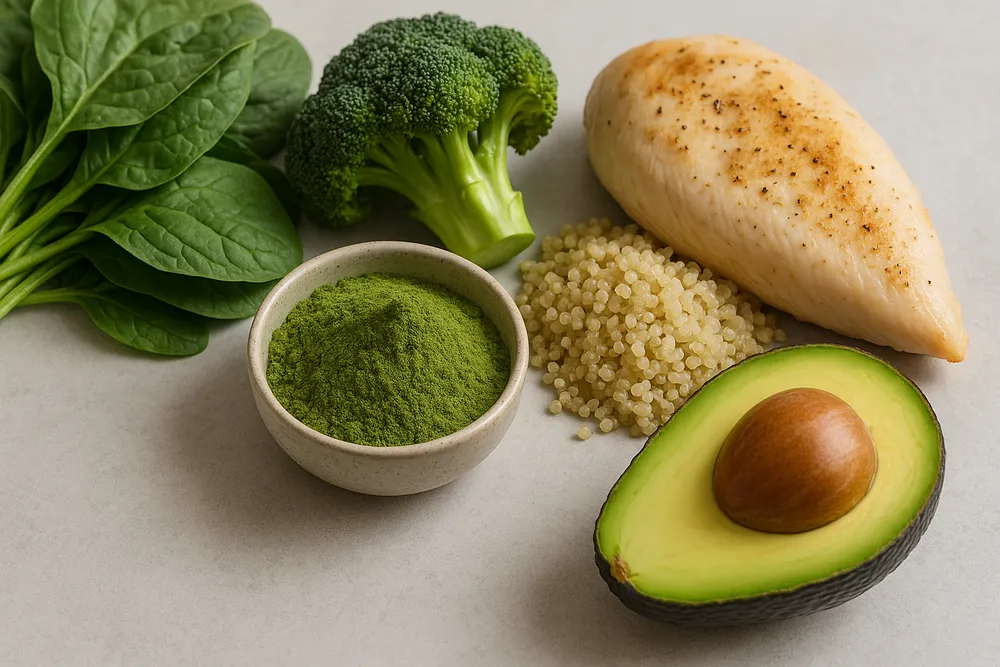
When you’re trying to manage your weight, you often need to reduce calorie intake while still meeting your nutritional needs. This can be challenging because many low-calorie foods are also low in nutrients. Moringa helps solve this problem by providing vitamins, minerals, antioxidants, and protein in a low-calorie package.
A teaspoon of Moringa powder contains only about 5-10 calories but provides significant amounts of vitamin C, vitamin A, iron, calcium, and other essential nutrients. This means you can add Moringa to your meals or smoothies to boost nutrition without significantly increasing your calorie intake.
Low Calorie Content
Moringa powder contains only about 5-10 calories per teaspoon, making it an excellent way to add nutrients without adding significant calories to your diet.
High Nutrient Content
Despite being low in calories, Moringa provides substantial amounts of vitamins, minerals, antioxidants, and protein, helping you meet nutritional needs while managing calories.
Supports Calorie Deficit
By providing essential nutrients in a low-calorie form, Moringa makes it easier to maintain a calorie deficit while still getting the vitamins and minerals your body needs.
This nutrient density is particularly valuable when you’re reducing calorie intake. Instead of feeling deprived or missing essential nutrients, you can add Moringa to your meals to boost nutrition without derailing your calorie goals.
Energy and Metabolism Support
Moringa contains nutrients that support normal energy metabolism, which plays an important role in weight management. When your metabolism functions well, your body efficiently converts food into energy.
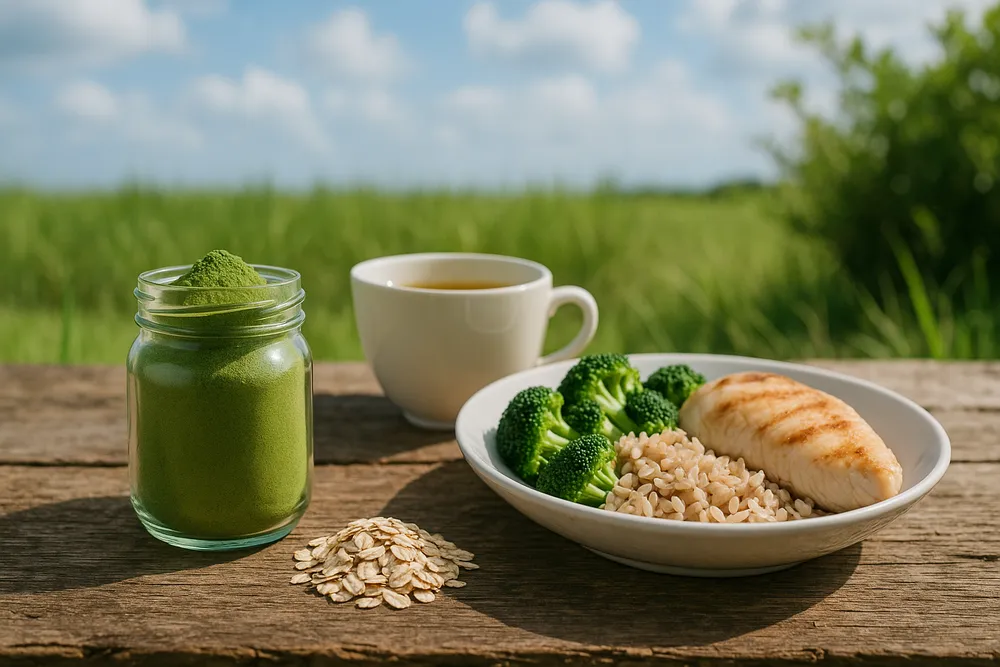
Iron and B-vitamins in Moringa support the body’s natural energy production processes. Iron is essential for healthy red blood cells that transport oxygen throughout your body, while B-vitamins help convert the food you eat into usable energy. When these systems function optimally, you have more energy for daily activities and exercise.
Having adequate energy levels makes it easier to stay active, which is crucial for weight management. When you’re not constantly feeling tired, you’re more likely to engage in physical activity, whether that’s structured exercise or simply being more active throughout your day.
Iron for Energy
Moringa is rich in iron, which supports healthy red blood cell function and oxygen transport. This helps maintain energy levels, making it easier to stay active and burn calories.
B-Vitamins for Metabolism
B-vitamins in Moringa help your body convert carbohydrates, fats, and proteins into energy. This supports normal metabolic function and energy production.
Sustained Energy
Unlike caffeine, Moringa provides sustained energy without crashes. This steady energy helps you maintain activity levels throughout the day, supporting calorie burn.
Supporting your metabolism and energy levels creates a positive cycle. Better energy leads to more activity, which supports weight management goals. Moringa can be part of this supportive foundation.
Satiety and Fullness
Feeling satisfied after meals is crucial for successful weight management. When you feel full and satisfied, you’re less likely to overeat or snack on high-calorie foods between meals.

Moringa can help with satiety because it contains both protein and fiber. Protein is one of the most satiating nutrients, meaning it helps you feel full and satisfied. Fiber adds bulk to your meals and slows digestion, which also contributes to feelings of fullness.
When you add Moringa to meals or smoothies, you’re increasing the protein and fiber content without adding many calories. This can help you feel more satisfied with smaller portions, making it easier to maintain a calorie deficit without feeling deprived.
Complete Protein
Moringa provides complete protein with all essential amino acids. Protein is highly satiating, helping you feel full and satisfied after meals, which can reduce overall calorie intake.
Dietary Fiber
Moringa contains dietary fiber that adds bulk to meals and slows digestion. This helps you feel fuller longer and reduces the likelihood of overeating or unnecessary snacking.
Meal Enhancement
Adding Moringa to meals increases their satiety factor without significantly increasing calories. This makes it easier to feel satisfied while maintaining a calorie deficit.
The combination of protein and fiber in Moringa makes it a valuable addition to meals when you’re trying to manage your weight. It helps you feel satisfied with appropriate portion sizes, which is essential for long-term success.
Balanced Lifestyle Approach
Moringa works best for weight management when it’s part of a comprehensive approach that includes balanced nutrition, regular physical activity, adequate sleep, and stress management. No single supplement can replace these fundamental lifestyle factors.

Weight management is a complex process that involves many interconnected factors. Moringa can support this process, but it’s most effective when combined with other healthy habits. Think of Moringa as one tool in your wellness toolkit, not the entire solution.
A balanced approach means eating a variety of nutrient-dense foods, engaging in regular physical activity that you like, getting enough sleep, and managing stress effectively. Moringa fits into this picture by providing essential nutrients, supporting energy levels, and helping with satiety, but it can’t replace the need for overall healthy lifestyle choices.
Balanced Nutrition
Moringa complements a balanced diet by providing nutrients that might be missing. It’s not a replacement for whole foods, but a valuable addition that enhances your nutritional intake.
Regular Activity
Moringa’s iron and B-vitamins support energy levels, making it easier to maintain regular physical activity. Exercise is essential for weight management and overall health.
Holistic Wellness
Sustainable weight management involves more than just diet and exercise. Sleep, stress management, and overall wellness all play important roles, and Moringa supports your body’s needs in this comprehensive approach.
The most successful weight management approaches are sustainable and balanced. Moringa can be part of this foundation, supporting your body’s nutritional needs while you work toward your goals through comprehensive lifestyle changes.
Realistic Expectations
Setting realistic expectations is crucial when considering Moringa for weight management. Understanding what Moringa can and cannot do helps you make informed decisions and avoid disappointment.

Moringa is not a magic weight loss solution. It won’t cause dramatic weight loss on its own, and it won’t work if you continue with unhealthy eating patterns and a sedentary lifestyle. However, it can be a valuable supportive tool when used as part of a comprehensive approach to weight management.
Realistic expectations mean understanding that weight management is a gradual process that requires consistency and patience. Moringa can help by providing nutrients, supporting energy, and enhancing satiety, but the actual weight changes come from creating a sustainable calorie deficit through diet and activity.
Gradual Progress
Weight management is a gradual process. Moringa supports this process over time by providing consistent nutritional support, not through dramatic immediate effects.
Supportive Role
Moringa supports weight management rather than causing it directly. It helps by providing nutrients, enhancing satiety, and supporting energy, but it works best alongside other healthy habits.
Sustainable Approach
The most effective weight management approaches are sustainable long-term. Moringa fits into this because it’s a natural, nutrient-dense food that can be part of your routine indefinitely.
Understanding Moringa’s role as a supportive tool rather than a primary solution helps you set appropriate expectations and use it effectively as part of your weight management strategy.
How to Use Moringa for Weight Management
If you’re interested in using Moringa to support weight management, there are practical ways to incorporate it into your routine that maximize its benefits.
Start by adding Moringa to meals that could benefit from extra protein and fiber. Smoothies, oatmeal, yogurt, and soups are excellent options. The added protein and fiber will help increase satiety, making you feel more satisfied with your meals.
Consider timing your Moringa intake around meals rather than as a standalone supplement. Taking it with food enhances nutrient absorption and helps with satiety. Some people find it particularly helpful when added to breakfast or lunch to support energy levels throughout the day.
Be consistent with your Moringa intake. Like any nutritional support, Moringa works best when used regularly as part of your routine. Consistency helps you experience the cumulative benefits of improved nutrition, better satiety, and sustained energy.
What the Research Says
Scientific research on Moringa and weight loss is still developing, but some studies suggest potential benefits. However, it’s important to interpret these findings realistically and understand that most research is preliminary.
Some animal studies have suggested that Moringa may have effects on metabolism and fat storage, but human studies are limited. The research that exists generally supports Moringa’s nutritional benefits and its role in providing essential nutrients, which indirectly supports weight management.
The most reliable evidence for Moringa’s role in weight management comes from its well-established nutritional profile. We know that Moringa is nutrient-dense, provides protein and fiber, and contains iron and B-vitamins that support energy metabolism. These facts support its use as part of a weight management strategy, even if direct weight loss effects need more research.
Conclusion
Moringa can be a valuable supportive tool for weight management, but it’s not a magic solution. It works best when used as part of a comprehensive approach that includes balanced nutrition, regular physical activity, and other healthy lifestyle habits.
In Summary: Moringa supports weight management through its nutrient density, providing essential vitamins and minerals in a low-calorie form. Its protein and fiber content enhance satiety, helping you feel fuller with appropriate portions. Iron and B-vitamins support normal energy metabolism, making it easier to stay active. However, Moringa works best as part of a balanced diet and active lifestyle, not as a standalone weight loss solution. Realistic expectations and a comprehensive approach are key to successful, sustainable weight management.
Disclaimer
Information presented here is for educational purposes only. It is not medical advice or a substitute for consultation with a qualified healthcare professional. Statements have not been evaluated by the FDA and are not intended to diagnose, treat, cure, or prevent any disease.