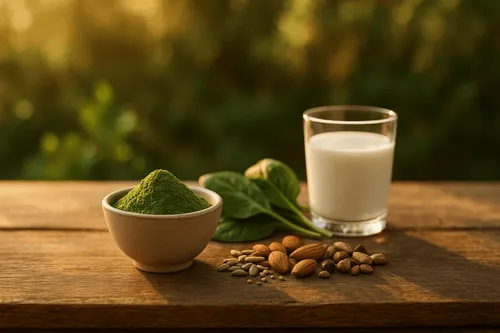
The Calcium Comparison: Moringa vs Milk
When it comes to calcium sources, milk is often the first food that comes to mind. However, plant-based alternatives like Moringa powder are emerging as powerful contenders that offer surprising calcium density. Understanding how these sources compare helps you make informed decisions about incorporating calcium into your diet, especially if you’re following a plant-based lifestyle or looking for alternatives to dairy.
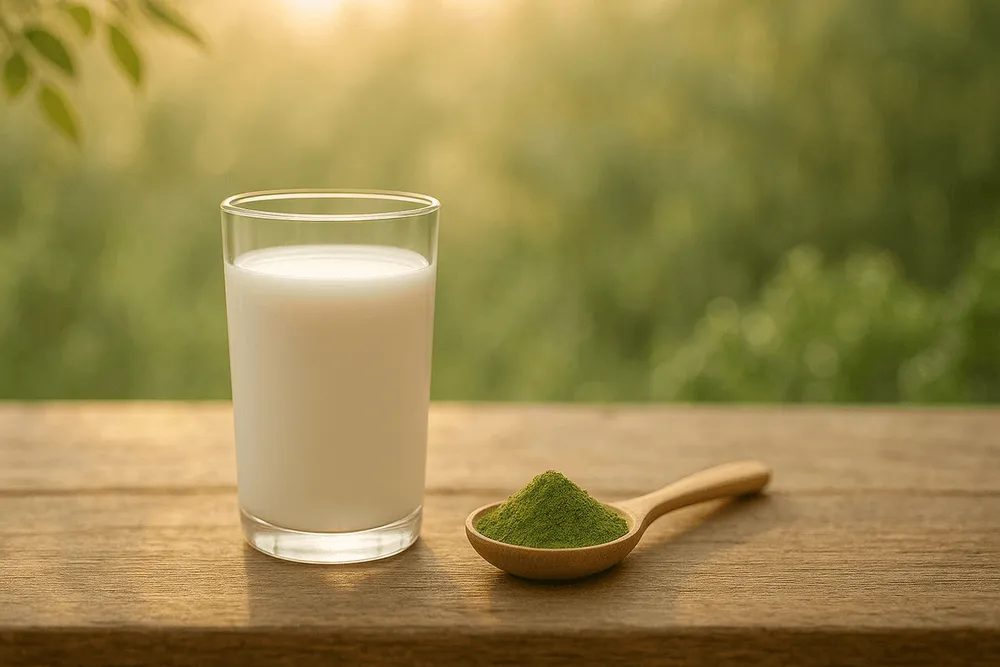
Moringa powder contains approximately 17 times more calcium per teaspoon compared to cow’s milk. This remarkable difference makes Moringa an excellent plant-based alternative for supporting bone health and overall wellness, especially for those who cannot or prefer not to consume dairy products.
Breaking Down the Numbers
Understanding the actual calcium content in both sources helps illustrate why Moringa offers such exceptional calcium density. The comparison reveals significant differences that stem from the concentration and form of each source.
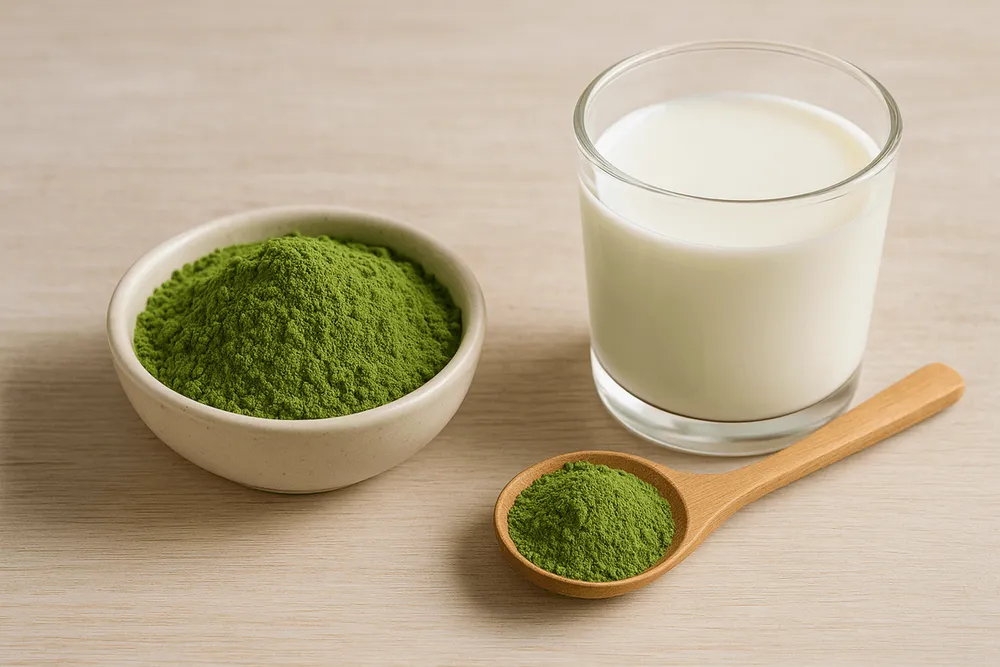
The following comparison shows how Moringa and milk measure up in terms of calcium density. These numbers demonstrate why Moringa has earned its reputation as one of the most concentrated plant-based calcium sources available.
Cow's Milk
300mg per cup (240ml)
Moringa Powder
620mg per teaspoon (2g)
These numbers clearly illustrate Moringa’s exceptional calcium density. When you consider that just one teaspoon of Moringa powder delivers more than double the calcium of a full cup of milk, it becomes evident why this concentrated form offers such practical advantages for meeting daily calcium needs.
Why Calcium Matters for Your Health
Calcium is essential for maintaining strong bones and teeth, but its benefits extend far beyond skeletal health. Understanding why calcium matters helps you appreciate the importance of adequate intake and recognize the value of concentrated sources like Moringa.
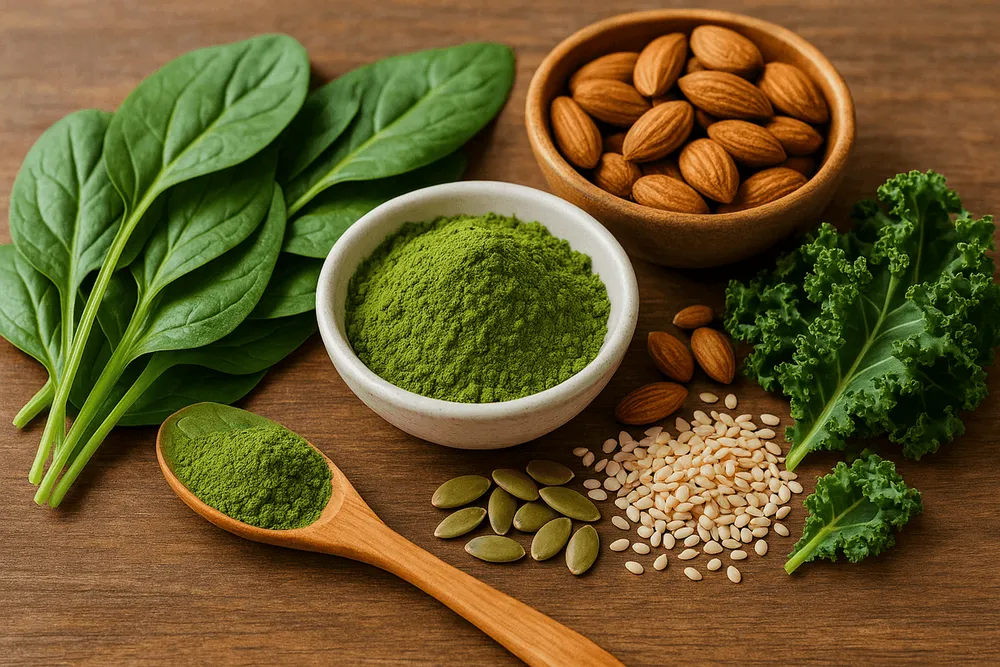
Calcium plays crucial roles in maintaining bone strength, supporting muscle function, and ensuring proper nerve signaling throughout your body. The following benefits demonstrate why adequate calcium intake is fundamental to good health throughout all stages of life.
Bone Health
Calcium’s primary role involves building and maintaining strong bones and teeth. Without adequate calcium, your body cannot maintain optimal bone density, which becomes increasingly important as you age.
Bone Density
Calcium helps maintain strong, healthy bones throughout life. Adequate calcium intake during all life stages supports optimal bone mass and reduces the risk of fractures and bone-related conditions.
Prevention
Adequate calcium intake may help prevent osteoporosis and maintain bone strength as you age. Building strong bones early in life and maintaining them through adulthood provides lasting protection.
Growth
Essential for proper bone development in children and adolescents. Adequate calcium during growth years ensures optimal bone structure and peak bone mass achievement.
These bone health benefits highlight why calcium is so critical throughout your entire life. Whether you’re growing, maintaining bone mass, or protecting against age-related bone loss, adequate calcium intake supports strong, healthy bones.
Beyond Bones
Calcium’s importance extends far beyond bone health. This essential mineral plays vital roles in numerous bodily functions that affect your daily life and overall wellness.
Muscle Function
Calcium plays a role in muscle contraction and relaxation. Adequate calcium ensures your muscles can contract properly and relax completely, supporting smooth movement and preventing cramps.
Nerve Transmission
Helps transmit nerve signals throughout your body. Calcium ions are essential for releasing neurotransmitters, enabling communication between nerve cells and supporting proper nervous system function.
Blood Clotting
Essential for normal blood clotting processes. Calcium activates clotting factors in your blood, helping wounds heal properly and preventing excessive bleeding.
Heart Health
Supports normal heart rhythm and function. Calcium helps regulate the heartbeat by controlling muscle contractions in your heart, ensuring steady, regular rhythm.
Together, these functions beyond bone health demonstrate calcium’s essential role in maintaining overall wellness. From muscle movement to nerve communication to heart function, adequate calcium intake supports numerous critical bodily processes.
Daily Requirements
Understanding your daily calcium requirements helps you plan your intake and recognize how Moringa can help meet these needs efficiently.
Adults (19-50)
1,000mg per day
Adults (51+)
1,200mg per day
Moringa Advantage
62% DV per teaspoon
Just one teaspoon of Moringa powder provides more than half the daily calcium requirement for most adults, making it an exceptionally efficient way to support calcium intake. This concentrated form offers practical advantages for meeting daily needs, especially when combined with other calcium-rich foods in a balanced diet.
Plant-Based Calcium Benefits
Choosing plant-based calcium sources like Moringa offers several distinct advantages beyond just calcium content. Understanding these benefits helps you appreciate why plant-based options are valuable additions to any diet.
Lactose-Free
Perfect for those with lactose intolerance or dairy sensitivities. Moringa provides substantial calcium without the digestive issues that many people experience with dairy products, making it accessible to a wider range of individuals.
Complete Nutrition
Provides calcium along with other essential nutrients like iron and vitamin C. Moringa’s comprehensive nutritional profile offers multiple benefits beyond just calcium, creating a more complete nutritional package than isolated supplements.
Sustainable Choice
Plant-based calcium sources have a lower environmental impact compared to dairy production. Choosing Moringa supports sustainable agriculture and reduces your dietary carbon footprint while meeting your nutritional needs.
These benefits make plant-based calcium sources like Moringa particularly valuable, especially for those following vegetarian or vegan diets, managing lactose intolerance, or looking for sustainable nutritional options that come with additional health benefits.
How to Maximize Calcium Absorption
Understanding how to maximize calcium absorption helps you get the most benefit from Moringa and other calcium sources. Several factors influence how well your body absorbs and utilizes this essential mineral.

There are practical strategies you can use to enhance calcium absorption from Moringa powder. These tips help ensure your body utilizes the calcium effectively and maximize the nutritional benefits.
Pair with Vitamin D
Vitamin D helps your body absorb calcium more effectively. Consider taking Moringa with foods rich in vitamin D like salmon, eggs, or fortified plant milks, or get some sunlight exposure to support natural vitamin D production.
Spread Throughout the Day
Your body can only absorb a limited amount of calcium at once. Consider splitting your Moringa intake throughout the day for better absorption, such as half a teaspoon in the morning and half in the afternoon or evening.
Avoid Excessive Caffeine
High amounts of caffeine can interfere with calcium absorption. Moderate your coffee and tea intake when focusing on calcium-rich foods, and consider spacing caffeine consumption away from meals containing Moringa.
These absorption strategies work together to maximize the benefits you receive from Moringa’s calcium content. By pairing it with vitamin D, spreading intake throughout the day, and moderating caffeine consumption, you can significantly improve how well your body absorbs and utilizes this essential mineral.
Incorporating Moringa for Calcium Benefits
Adding Moringa powder to your routine is simple and versatile, especially when you’re focusing on calcium intake. The powder form integrates seamlessly into various foods and beverages, making it easy to incorporate into meals and snacks throughout your day.
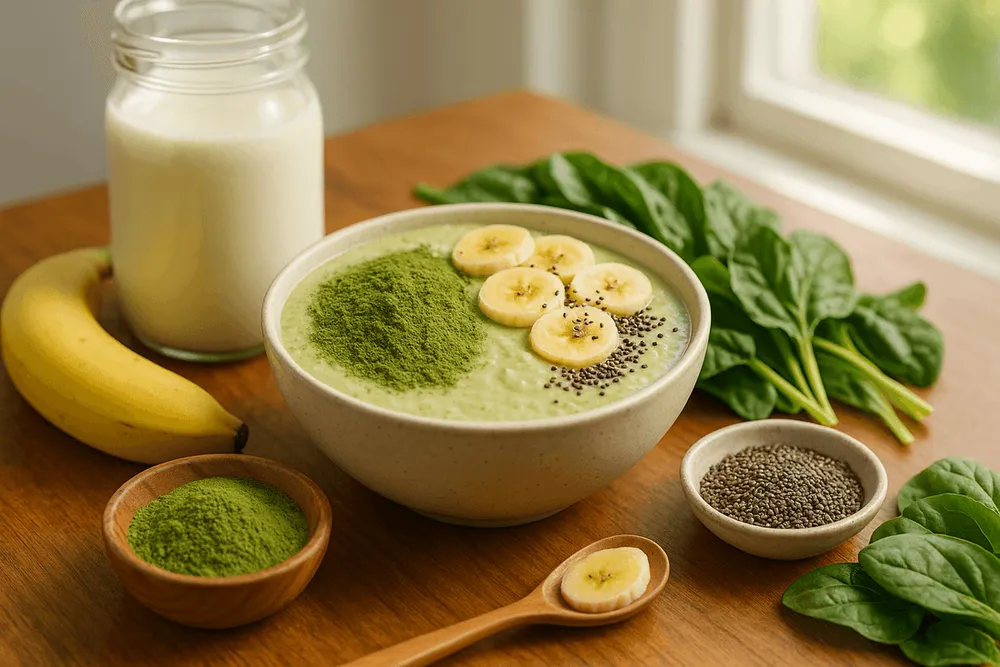
The versatility of Moringa powder means you can get its calcium benefits in numerous practical ways. Experiment with different methods to find what works best for your preferences and lifestyle while maximizing calcium absorption.
Plant-Based Smoothies
Blend with almond milk, banana, and spinach for a calcium-rich breakfast:
- 1 teaspoon Moringa powder
- 1 cup fortified almond milk (calcium + vitamin D)
- 1/2 banana
- Handful of spinach (additional calcium)
- 1 tablespoon chia seeds (calcium boost)
This combination provides calcium from multiple plant sources along with vitamin D from fortified milk, creating an efficient way to start your day with calcium support.
Overnight Oats
Mix into overnight oats with chia seeds for a nutrient-dense start to your day:
- 1/2 teaspoon Moringa powder
- 1/2 cup rolled oats
- 1 tablespoon chia seeds (calcium)
- 1 cup fortified plant milk
- 1/2 banana, sliced
- Berries for topping
These overnight oats combine Moringa’s calcium with chia seeds and fortified plant milk, creating a convenient breakfast that supports calcium intake while providing sustained energy.
Energy Balls
Add to homemade energy balls with dates and nuts for a healthy snack:
- 1 teaspoon Moringa powder
- 1 cup dates (natural sweetness)
- 1/2 cup almonds (calcium)
- 2 tablespoons sesame seeds (calcium)
- Pinch of sea salt
These energy balls combine Moringa’s calcium with calcium-rich nuts and seeds, creating a portable snack that supports bone health while providing natural energy throughout your day.
Start with smaller amounts and gradually increase based on your preference. The key is finding methods that work for you so that incorporating Moringa becomes a sustainable part of your routine for ongoing calcium support.
The Science Behind Plant-Based Calcium
Understanding the science behind plant-based calcium helps you appreciate why Moringa’s calcium content is effective and how it compares to dairy sources. This knowledge helps you make informed choices about calcium intake.
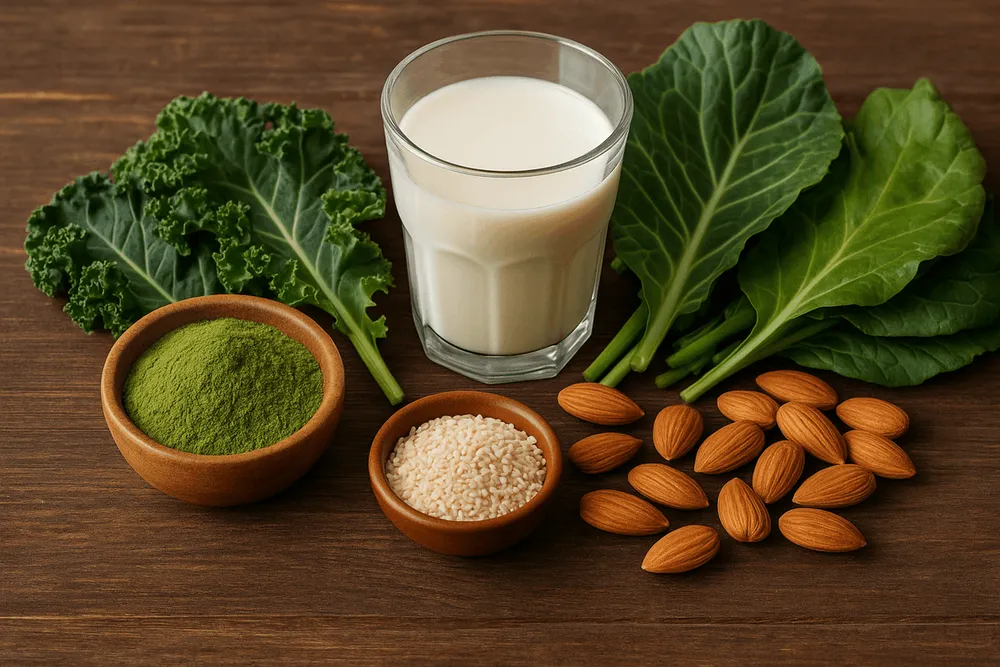
Plant-based calcium works effectively in your body, though absorption rates can vary based on several factors. Understanding these scientific principles helps you optimize absorption and appreciate the advantages of plant-based options.
Bioavailable Form
Moringa contains calcium in a form that your body can easily absorb and utilize, making it an effective plant-based source. The calcium in Moringa is naturally occurring and in a form that your digestive system can process efficiently.
Natural Co-factors
The presence of magnesium and other minerals in Moringa helps support calcium absorption and bone health. These natural co-factors work synergistically to enhance calcium utilization and support optimal bone mineral density.
No Added Hormones
Unlike some dairy products, Moringa provides calcium without concerns about added hormones or antibiotics. This makes it a clean, natural source of calcium that aligns with preferences for minimally processed, natural foods.
These scientific principles explain why Moringa’s plant-based calcium is effective despite different absorption characteristics compared to dairy. The combination of high concentration, natural co-factors, and clean sourcing makes Moringa an excellent choice for supporting calcium levels naturally.
Important Considerations
When incorporating Moringa for calcium benefits, several factors can help you maximize its effectiveness and ensure you’re using it safely and appropriately.
Choose Quality Products
Select organic, high-quality Moringa powder with third-party testing for maximum calcium content. Quality processing methods preserve more nutrients, ensuring you get the full calcium benefits from every serving.
Start Gradually
Begin with small amounts and gradually increase to avoid digestive discomfort. Starting with 1/4 teaspoon and working up to 1-2 teaspoons daily allows your body to adjust while you find the amount that works best for you.
Medical Consultation
Consult with a healthcare provider if you have specific calcium needs or health conditions. Professional guidance helps ensure you’re addressing calcium requirements appropriately and can help manage any interactions with medications or existing conditions.
These considerations help ensure you’re using Moringa effectively and safely for calcium support. Quality products, gradual introduction, and professional guidance work together to maximize benefits while minimizing potential issues.
Conclusion
The comparison between Moringa and milk reveals that Moringa powder contains significantly more calcium per teaspoon than cow’s milk. This makes it an excellent choice for those seeking plant-based calcium sources or looking to boost their calcium intake efficiently.
Whether you’re following a plant-based diet, have lactose intolerance, or simply want to diversify your calcium sources, Moringa offers a powerful, natural alternative that supports bone health and overall wellness.
In Summary: Incorporating Moringa powder into your daily routine can provide a substantial calcium boost, supporting strong bones and healthy muscle function while offering additional nutritional benefits. When paired with vitamin D and consumed strategically to maximize absorption, Moringa offers an efficient, plant-based solution for meeting your daily calcium needs while supporting sustainable nutrition practices.
Disclaimer
Information presented here is for educational purposes only. It is not medical advice or a substitute for consultation with a qualified healthcare professional. Statements have not been evaluated by the FDA and are not intended to diagnose, treat, cure, or prevent any disease.