The Iron Showdown: Moringa vs Spinach
When it comes to plant-based iron sources, both Moringa powder and fresh spinach are often mentioned as excellent options. However, understanding how these two sources compare in terms of iron density and practicality helps you make informed decisions about incorporating them into your diet. This comparison explores the numbers, the benefits of each source, and how to maximize iron absorption from plant-based foods.
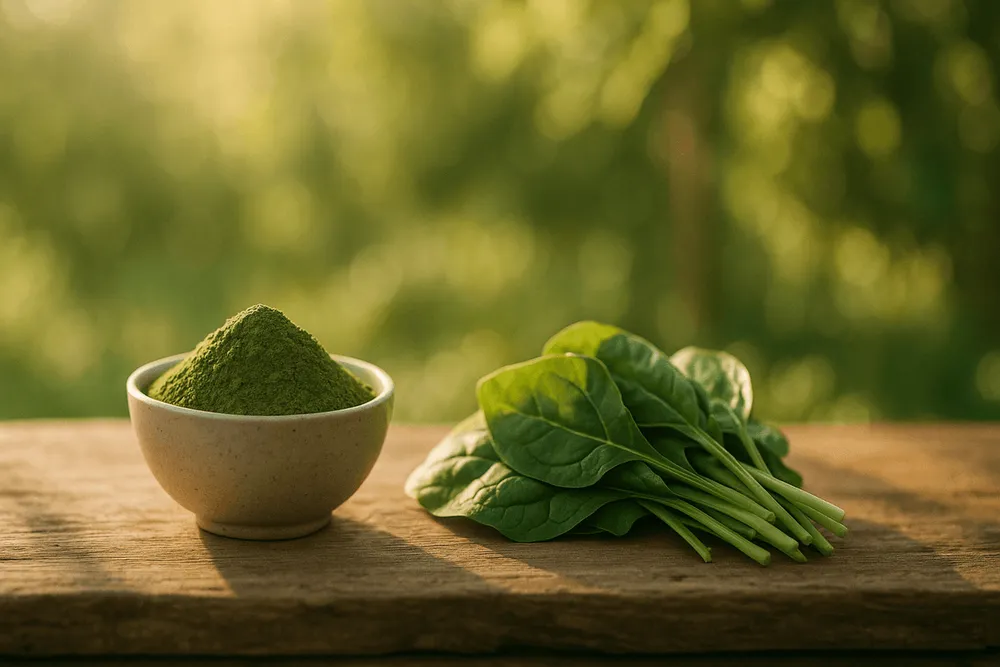
Moringa powder contains at least 10 times more iron per teaspoon compared to fresh spinach. This remarkable difference makes Moringa an exceptional plant-based source for combating iron deficiency and supporting overall energy levels, especially when you’re looking for a convenient, concentrated form.
Iron Content Breakdown
Understanding the actual iron content in both sources helps illustrate why Moringa offers such exceptional iron density. The comparison reveals significant differences that stem from the concentration and form of each source.
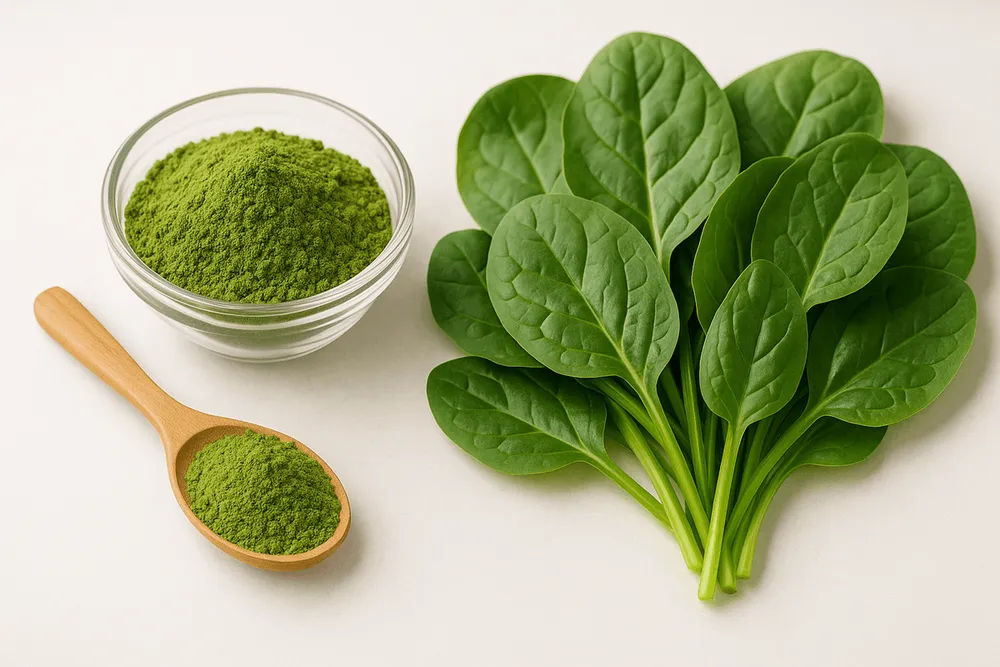
The following comparison shows how Moringa and spinach measure up in terms of iron density. These numbers demonstrate why Moringa has earned its reputation as one of the most concentrated plant-based iron sources available.
Fresh Spinach
0.8mg per cup (30g)
Moringa Powder
20mg per teaspoon (2g)
These numbers clearly illustrate Moringa’s exceptional iron density. When you consider that just one teaspoon of Moringa powder delivers at least 10 times more iron than a full cup of fresh spinach, it becomes evident why this concentrated form offers such practical advantages for meeting daily iron needs.
Why Iron Matters for Your Health
Iron is essential for numerous bodily functions and overall well-being. Understanding why iron matters helps you appreciate the importance of adequate intake and recognize the value of concentrated sources like Moringa.
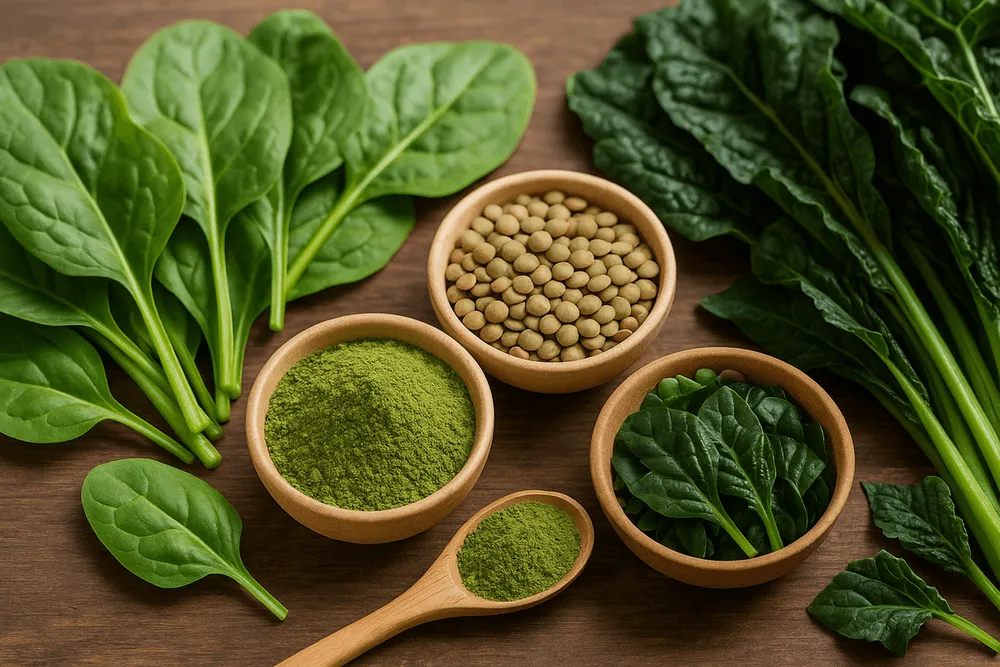
Iron plays crucial roles in maintaining energy levels, supporting immune function, and ensuring proper oxygen transport throughout your body. The following benefits demonstrate why adequate iron intake is fundamental to good health.
Energy and Vitality
Iron’s primary role involves supporting energy production and oxygen delivery throughout your body. Without adequate iron, your cells cannot function optimally, leading to fatigue and decreased vitality.
Oxygen Transport
Iron is crucial for carrying oxygen throughout your body via hemoglobin in red blood cells. This oxygen transport system ensures all your cells receive the oxygen they need for optimal function.
Energy Production
Helps convert nutrients into usable energy through cellular metabolism. Adequate iron ensures your body can efficiently process food into the energy needed for daily activities and exercise.
Muscle Function
Essential for proper muscle contraction and endurance. Iron supports muscle oxygen delivery, helping you maintain strength and performance during physical activities.
Mental Clarity
Supports cognitive function and focus by ensuring your brain receives adequate oxygen. Iron deficiency can significantly impact concentration, memory, and overall mental performance.
These energy-related functions demonstrate why iron is so critical for daily vitality. When iron levels are optimal, you experience sustained energy, better physical performance, and improved mental clarity throughout your day.
Immune System Support
Iron also plays essential roles in supporting your immune system’s normal function. Beyond energy, adequate iron intake helps maintain your body’s natural defense mechanisms.
Immune Function
Iron supports the normal function of your immune system by helping immune cells function effectively. Adequate iron levels are necessary for proper immune cell development and activity.
Cell Growth
Essential for healthy cell growth and development throughout your body. Iron is required for DNA synthesis and cell division, making it crucial for tissue repair and growth.
Wound Healing
Plays a role in the body’s natural healing processes by supporting tissue repair. Iron is necessary for collagen formation and other proteins involved in wound healing.
Together, these immune and healing functions highlight iron’s importance beyond just energy. Maintaining adequate iron levels supports your body’s ability to defend itself and recover from injuries or infections.
Daily Requirements
Understanding your daily iron requirements helps you plan your intake and recognize how Moringa can help meet these needs efficiently.
Adult Men
8mg per day
Adult Women (19-50)
18mg per day
Adult Women (51+)
8mg per day
Moringa Advantage
111% DV per teaspoon (for women)
Just one teaspoon of Moringa powder provides more than the daily iron requirement for most women, making it an exceptionally efficient way to support iron intake. This concentrated form offers practical advantages for meeting daily needs, especially when combined with other iron-rich foods in a balanced diet.
Plant-Based Iron Benefits
Choosing plant-based iron sources like Moringa offers several distinct advantages beyond just iron content. Understanding these benefits helps you appreciate why plant-based options are valuable additions to any diet.
Gentle on Digestion
Plant-based iron is generally easier on the digestive system than iron supplements. Many people experience less digestive discomfort when getting iron from whole food sources like Moringa compared to isolated supplements.
Complete Nutrition
Provides iron along with other essential nutrients like vitamin C for better absorption. Moringa’s natural combination of iron and vitamin C creates a synergistic effect that enhances iron utilization in your body.
Sustainable Choice
Plant-based iron sources have a lower environmental impact compared to animal sources. Choosing Moringa supports sustainable agriculture and reduces your dietary carbon footprint while meeting your nutritional needs.
These benefits make plant-based iron sources like Moringa particularly valuable, especially for those following vegetarian or vegan diets, or anyone looking for sustainable, digestible iron sources that come with additional nutritional benefits.
Maximizing Iron Absorption
Understanding how to maximize iron absorption helps you get the most benefit from Moringa and other plant-based iron sources. Several factors influence how well your body absorbs and utilizes non-heme iron from plants.
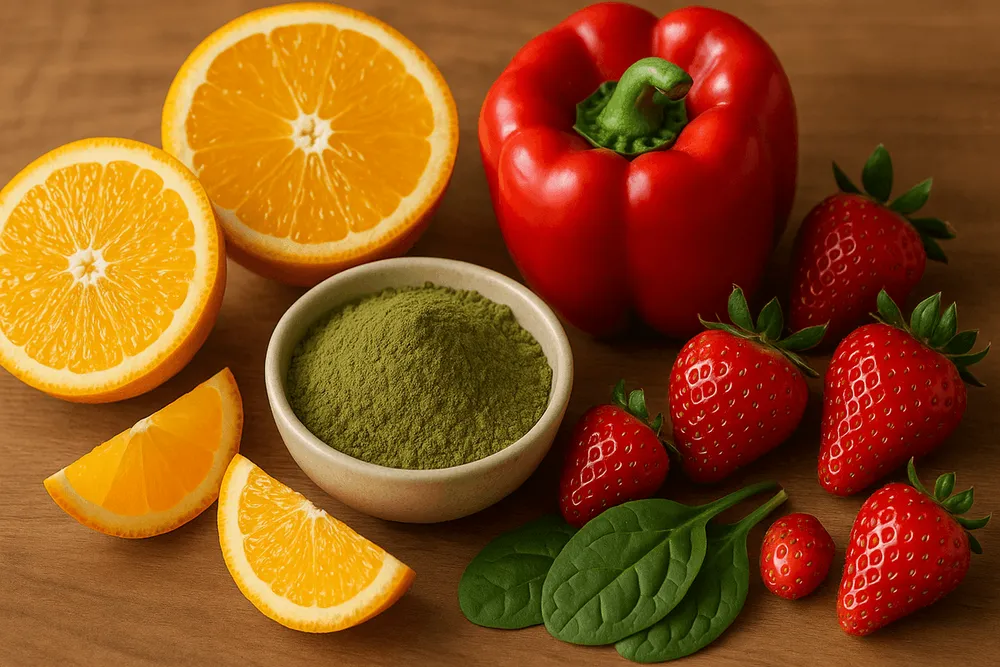
There are practical strategies you can use to enhance iron absorption from Moringa powder. These tips help ensure your body utilizes the iron effectively and maximize the nutritional benefits.
Pair with Vitamin C
Vitamin C significantly enhances iron absorption from plant sources. Moringa naturally contains vitamin C, making it an ideal iron source, but pairing it with citrus fruits, bell peppers, or strawberries can further boost absorption rates.
Avoid Calcium Interference
High amounts of calcium can inhibit iron absorption when consumed together. Consider timing your Moringa intake away from calcium-rich foods or dairy products to maximize iron uptake.
Limit Coffee and Tea
Tannins in coffee and tea can reduce iron absorption significantly. Wait at least one hour after consuming Moringa before drinking these beverages to ensure optimal iron uptake.
These absorption strategies work together to maximize the benefits you receive from Moringa’s iron content. By pairing it with vitamin C, avoiding calcium interference, and timing consumption away from coffee or tea, you can significantly improve how well your body absorbs and utilizes this essential mineral.
Incorporating Moringa for Iron Benefits
Adding Moringa powder to your routine is simple and versatile, especially when you’re focusing on iron intake. The powder form integrates seamlessly into various foods and beverages, making it easy to incorporate into meals and snacks throughout your day.
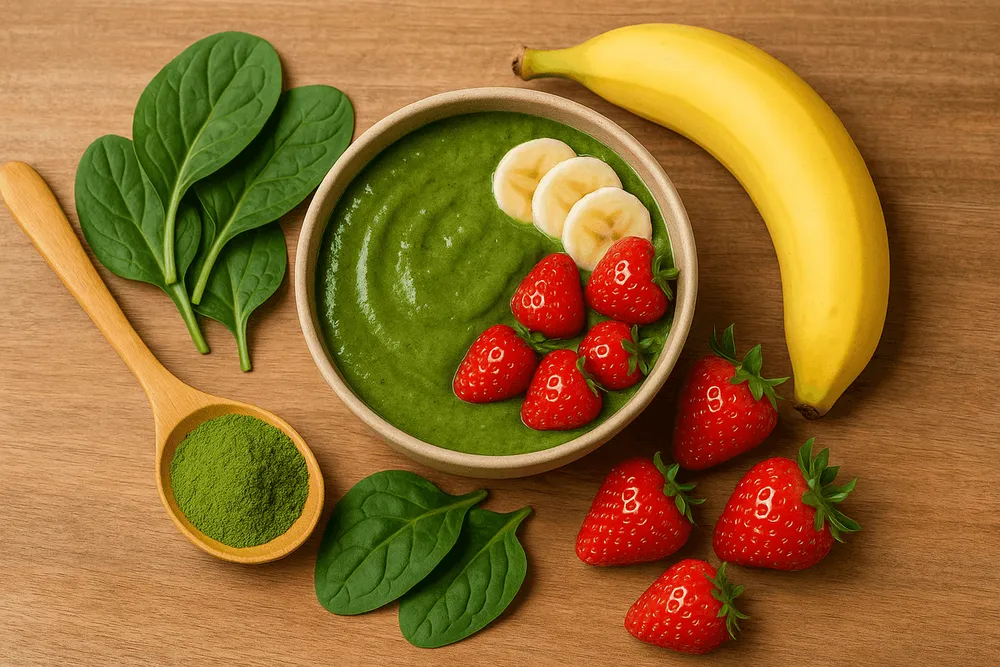
The versatility of Moringa powder means you can get its iron benefits in numerous practical ways. Experiment with different methods to find what works best for your preferences and lifestyle while maximizing iron absorption.
Iron-Rich Smoothie
Blend Moringa with strawberries, orange juice, and banana for maximum iron absorption:
- 1 teaspoon Moringa powder
- 1 cup fresh strawberries (vitamin C)
- 1/2 cup orange juice (vitamin C)
- 1/2 banana
- 1 cup spinach (additional iron)
This combination provides iron along with vitamin C to enhance absorption, making it an efficient way to start your day with iron support.
Energy Balls
Mix Moringa with dates, nuts, and citrus zest for a nutrient-dense snack:
- 1 teaspoon Moringa powder
- 1 cup dates (natural sweetness)
- 1/2 cup almonds
- 1 tablespoon orange zest (vitamin C)
- Pinch of sea salt
These energy balls combine iron from Moringa with vitamin C from citrus zest, creating a convenient, portable snack that supports iron intake throughout your day.
Salad Enhancement
Sprinkle Moringa over leafy green salads with citrus dressing:
- 1 teaspoon Moringa powder
- Mixed leafy greens
- Fresh orange segments
- Lemon vinaigrette (vitamin C)
- Nuts or seeds for texture
This salad combines Moringa’s iron with vitamin C from citrus fruits and dressing, creating a refreshing meal that maximizes iron absorption while providing additional nutrients.
Start with smaller amounts and gradually increase based on your preference. The key is finding methods that work for you so that incorporating Moringa becomes a sustainable part of your routine for ongoing iron support.
The Science Behind Plant-Based Iron
Understanding the science behind plant-based iron helps you appreciate why Moringa’s iron content is effective and how it compares to other iron sources. This knowledge helps you make informed choices about iron intake.
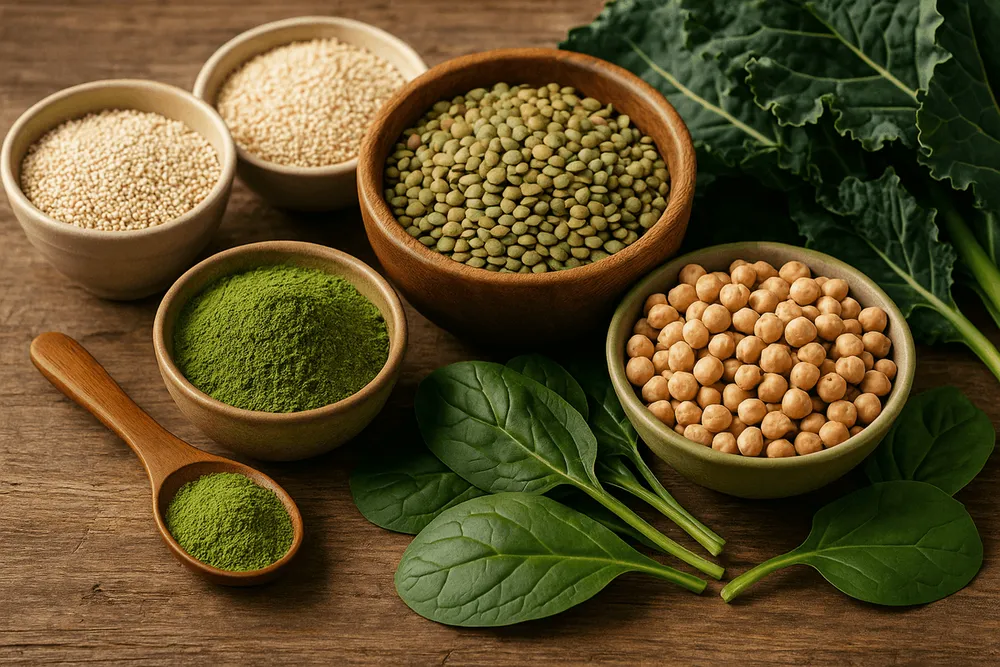
Plant-based iron, also known as non-heme iron, works differently in your body compared to heme iron from animal sources. Understanding these differences helps you optimize absorption and appreciate the advantages of plant-based options.
Natural Co-factors
Moringa contains vitamin C and other nutrients that enhance iron absorption, making it more bioavailable than isolated iron supplements. This natural combination creates synergistic effects that improve iron utilization in your body.
Non-Heme Iron
While non-heme iron from plants is absorbed less efficiently than heme iron from meat, Moringa’s high concentration compensates for this difference. The amount of iron per serving is so substantial that it effectively meets your needs despite lower absorption rates.
Gentle Absorption
Plant-based iron is absorbed more gradually, reducing the risk of iron overload and digestive discomfort. This gentle absorption pattern makes it particularly suitable for daily use and prevents the side effects often associated with iron supplements.
These scientific principles explain why Moringa’s plant-based iron is effective despite lower absorption rates compared to animal sources. The combination of high concentration, natural absorption enhancers, and gentle uptake makes Moringa an excellent choice for supporting iron levels naturally.
Signs of Iron Deficiency
Recognizing the signs of iron deficiency helps you identify when your iron intake might need attention. Iron deficiency is one of the most common nutritional deficiencies worldwide, and early recognition can help prevent more serious complications.
Fatigue
Persistent tiredness and lack of energy are among the most common signs of iron deficiency. This occurs because your body cannot produce enough hemoglobin to transport oxygen efficiently.
Pale Skin
Reduced hemoglobin levels can cause paleness in your skin, especially noticeable in the face, inner eyelids, and nail beds. This paleness reflects decreased red blood cell production.
Short Breath
Difficulty breathing during normal activities can indicate insufficient oxygen transport due to low iron levels. This symptom often appears during routine activities that previously felt effortless.
Cold Hands
Poor circulation due to reduced red blood cells can cause extremities to feel cold. This occurs because your body prioritizes blood flow to vital organs when oxygen transport is compromised.
Brittle Nails
Iron deficiency can cause nails to become thin, brittle, or develop unusual shapes. These nail changes reflect the body’s reduced ability to maintain healthy cell growth.
Concentration
Inadequate iron can affect brain function, leading to difficulty focusing, brain fog, or decreased cognitive performance. This occurs because your brain requires sufficient oxygen for optimal function.
If you experience any of these symptoms, it’s important to consult with a healthcare provider for proper diagnosis. While Moringa can be a valuable part of addressing iron deficiency, professional guidance helps ensure you’re taking the right approach for your individual needs.
Important Considerations
When incorporating Moringa for iron benefits, several factors can help you maximize its effectiveness and ensure you’re using it safely and appropriately.
Choose Quality Products
Select organic, high-quality Moringa powder with third-party testing for maximum iron content. Quality processing methods preserve more nutrients, ensuring you get the full iron benefits from every serving.
Start Gradually
Begin with small amounts and gradually increase to avoid digestive discomfort. Starting with 1/4 teaspoon and working up to 1-2 teaspoons daily allows your body to adjust while you find the amount that works best for you.
Medical Consultation
Consult with a healthcare provider if you suspect iron deficiency or have specific health conditions. Professional guidance helps ensure you’re addressing iron needs appropriately and can rule out other potential causes of symptoms.
These considerations help ensure you’re using Moringa effectively and safely for iron support. Quality products, gradual introduction, and professional guidance work together to maximize benefits while minimizing potential issues.
Conclusion
The comparison between Moringa and spinach reveals that Moringa powder contains dramatically more iron per teaspoon than fresh spinach. This makes it an excellent choice for those looking to boost their iron intake naturally, especially for individuals following plant-based diets or those at risk of iron deficiency.
While spinach remains a healthy choice with its own nutritional benefits, Moringa offers a more concentrated source of iron in a convenient powder form that’s easy to incorporate into various recipes and provides additional nutritional benefits.
In Summary: Incorporating Moringa powder into your daily routine can provide exceptional iron support, helping combat fatigue, support energy levels, and maintain overall health. When paired with vitamin C-rich foods and consumed strategically to maximize absorption, Moringa offers an efficient, plant-based solution for meeting your daily iron needs while supporting sustainable nutrition practices.
Disclaimer
Information presented here is for educational purposes only. It is not medical advice or a substitute for consultation with a qualified healthcare professional. Statements have not been evaluated by the FDA and are not intended to diagnose, treat, cure, or prevent any disease.