Moringa: Nature’s Mineral Treasure Trove
Beyond its impressive vitamin content, Moringa oleifera is a remarkable source of essential minerals that your body needs for optimal functioning. Understanding how these minerals support your health and how Moringa compares to other sources helps you make informed decisions about incorporating this nutrient-dense plant into your wellness routine. This guide explores the four key minerals that make Moringa a true mineral powerhouse.
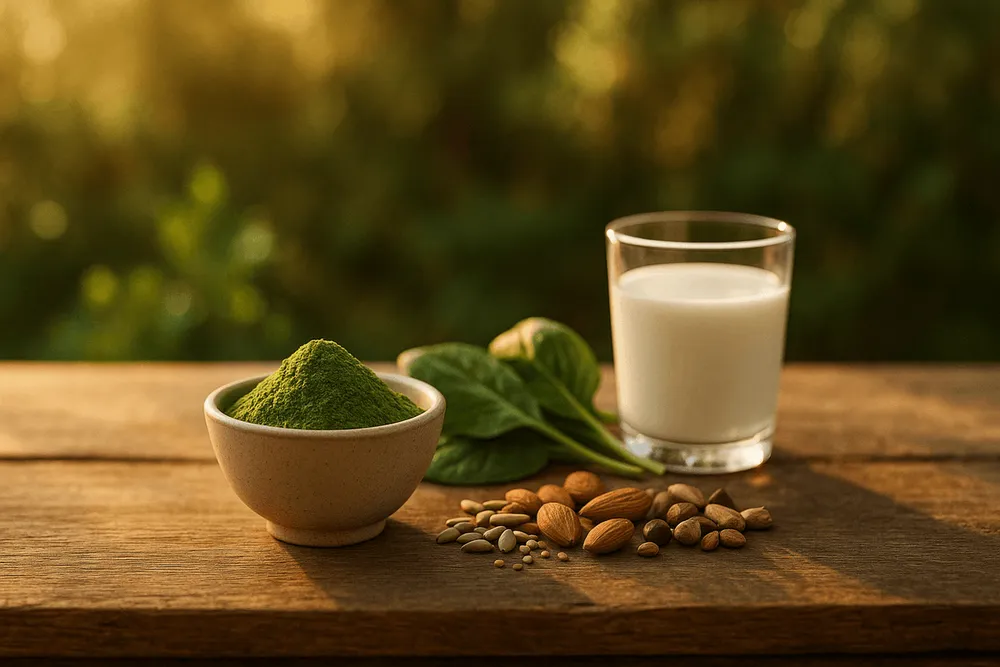
This miracle tree provides concentrated doses of key minerals that are often lacking in modern diets. From supporting bone strength to enhancing energy production, the minerals in Moringa work together to support multiple aspects of your health and wellness.
The Mineral Breakdown: Essential Elements for Health
Let’s explore the four key minerals that make Moringa a true mineral powerhouse. Each mineral plays unique and crucial roles in maintaining optimal health, from building strong bones to supporting energy metabolism.
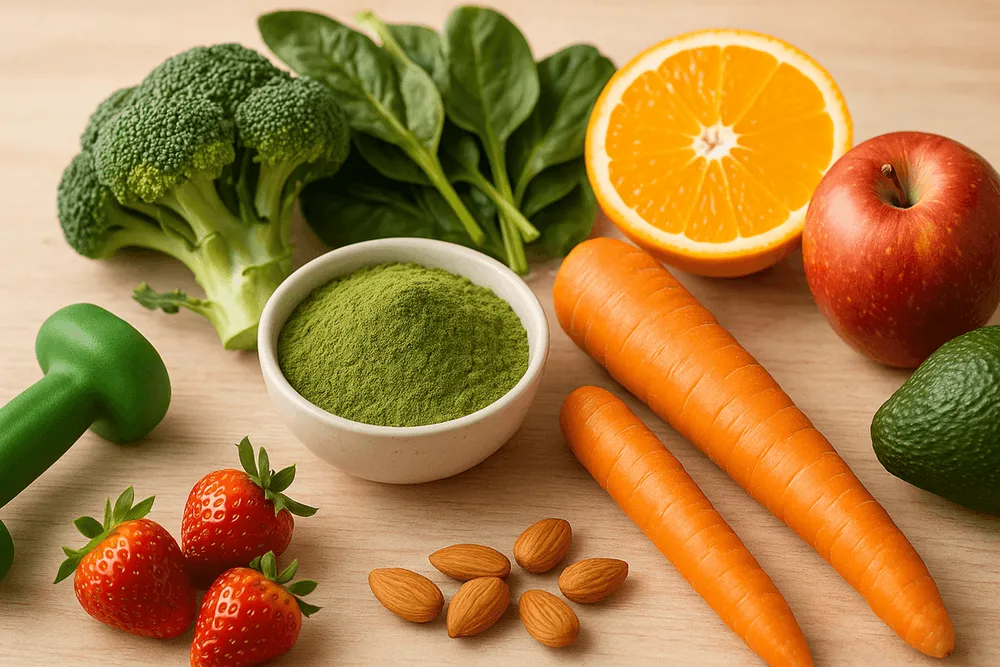
Understanding the specific benefits of each mineral helps you appreciate how Moringa supports your body’s essential functions. The following sections break down each mineral’s role and the advantages Moringa offers as a source.
Calcium: The Bone Builder
Calcium is the most abundant mineral in your body, and Moringa provides a significant amount. This essential mineral supports numerous critical functions throughout your body.
Calcium: The Bone Builder
Up to 31% of your Daily Value (DV) per teaspoon
Calcium plays essential roles in building and maintaining strong bones, supporting muscle function, and ensuring proper nerve signaling throughout your body.
- Bone Health: Essential for building and maintaining strong bones and teeth
- Muscle Function: Required for proper muscle contraction and relaxation
- Nerve Transmission: Plays a crucial role in nerve signaling
- Blood Clotting: Essential for proper blood coagulation
- Heart Health: Supports normal heart rhythm
Unlike dairy sources, Moringa’s calcium is easily absorbed and doesn’t come with potential lactose intolerance issues, making it an excellent plant-based option for supporting bone health and muscle function.
Calcium’s importance extends beyond just bone health. This mineral plays a fundamental role in numerous bodily processes, and getting adequate amounts throughout your life is essential for maintaining optimal health and preventing conditions related to calcium deficiency.
Iron: The Energy Mineral
Iron deficiency is one of the most common nutritional deficiencies worldwide, making Moringa’s iron content particularly valuable. This essential mineral is crucial for energy production and oxygen transport throughout your body.
Iron: The Energy Mineral
Up to 27% of your Daily Value (DV) per teaspoon
Iron is essential for transporting oxygen throughout your body and supporting cellular energy production. Adequate iron intake helps maintain energy levels and supports overall vitality.
- Oxygen Transport: Key component of hemoglobin, carrying oxygen throughout your body
- Energy Production: Essential for cellular energy metabolism
- Immune Function: Supports healthy immune system function
- Cognitive Function: Important for brain development and function
- Muscle Function: Required for proper muscle function and endurance
Pair Moringa with Vitamin C-rich foods to enhance iron absorption. This combination strategy helps maximize the benefits of Moringa’s iron content for optimal energy and vitality.
Iron is particularly important for women, athletes, and anyone following a plant-based diet, as these groups are at higher risk for deficiency. Moringa’s plant-based iron, when paired with vitamin C, offers an effective way to support healthy iron levels naturally.
Magnesium: The Relaxation Mineral
Often called the relaxation mineral, magnesium is involved in over 300 enzymatic reactions in your body. This versatile mineral supports everything from muscle relaxation to energy production and stress management.
Magnesium: The Relaxation Mineral
Up to 20% of your Daily Value (DV) per teaspoon
Magnesium supports muscle relaxation, sleep quality, and stress management while playing essential roles in energy production and bone health.
- Muscle Relaxation: Helps prevent muscle cramps and spasms
- Sleep Quality: Supports better sleep and relaxation
- Heart Health: Maintains normal heart rhythm
- Bone Health: Works with calcium for bone strength
- Energy Production: Essential for ATP (energy) production
- Stress Management: Helps regulate stress hormones
Many people are deficient in magnesium due to soil depletion and processed foods. Moringa offers a convenient way to boost your magnesium intake and support relaxation, sleep, and overall wellness.
Magnesium deficiency is one of the most common mineral deficiencies in modern diets, often due to refined foods and depleted soil. Ensuring adequate magnesium intake through sources like Moringa can make a significant difference in overall well-being, particularly for stress management and sleep quality.
Zinc: The Immune Booster
This trace mineral is crucial for numerous bodily functions, particularly immune health and wound healing. Despite being needed in smaller amounts, zinc plays outsized roles in maintaining optimal health.
Zinc: The Immune Booster
Up to 13% of your Daily Value (DV) per teaspoon
Zinc supports immune function, wound healing, and numerous other essential processes that contribute to overall health and wellness.
- Immune Function: Essential for proper immune system function
- Wound Healing: Promotes faster healing and tissue repair
- Taste and Smell: Required for proper taste and smell function
- Growth and Development: Important for growth in children
- Antioxidant Function: Supports antioxidant enzyme activity
- Hormone Production: Involved in hormone synthesis
Moringa’s zinc is in a form that’s easily absorbed by your body, making it an effective plant-based source of this essential trace mineral for supporting immune health and overall wellness.
Zinc’s role in immune function makes it particularly valuable during times when your body needs extra support. Even though it’s needed in smaller amounts than other minerals, zinc’s impact on health and healing is significant, making Moringa’s contribution to your daily zinc intake valuable.
Mineral Density Comparison
Understanding how Moringa’s mineral content compares to common food sources helps illustrate its remarkable nutritional density. These comparisons demonstrate why Moringa has earned its reputation as an efficient mineral source.
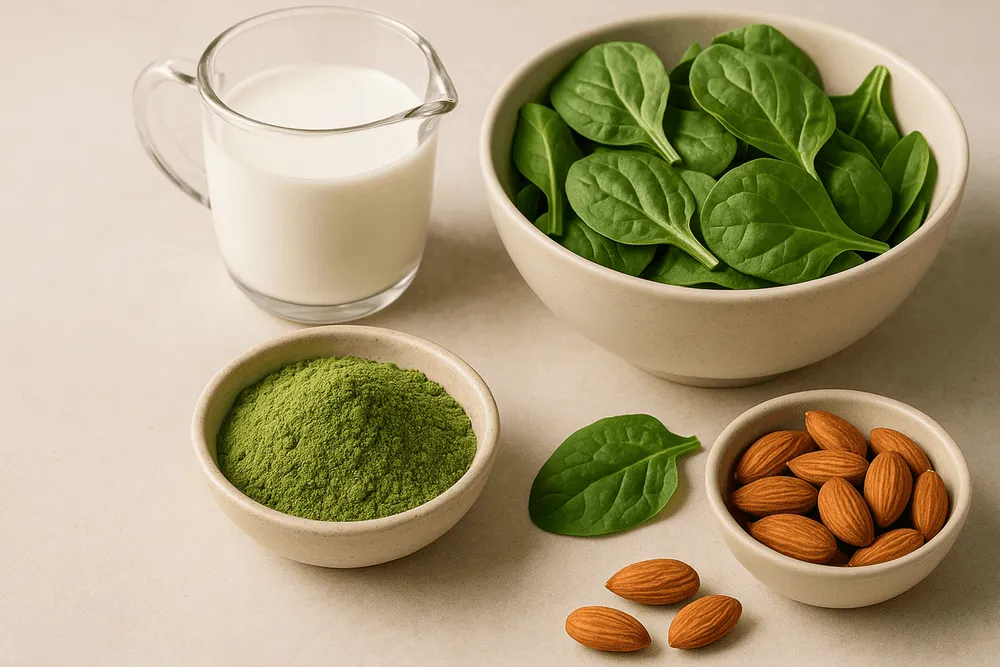
The following comparison shows how Moringa stacks up against traditional mineral sources. These comparisons highlight the efficiency of Moringa powder for meeting your daily mineral needs.
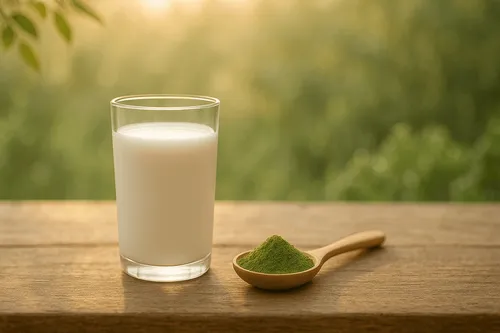
Calcium Comparison
Moringa provides 31% DV per teaspoon, while milk offers approximately 30% DV per cup. This means Moringa delivers equivalent calcium in just one teaspoon, making it an incredibly efficient plant-based source of this essential bone-building mineral.
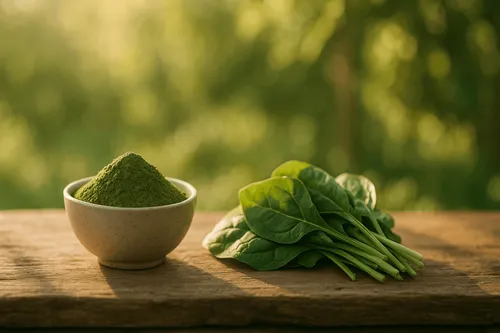
Iron Comparison
Moringa offers 27% DV per teaspoon, while spinach provides approximately 15% DV per cup. This means Moringa contains 1.8x more iron than spinach, showcasing its exceptional density for supporting energy and oxygen transport.
Magnesium Comparison
Moringa delivers 20% DV per teaspoon, while almonds offer approximately 20% DV per ounce. This means Moringa provides equivalent magnesium in just one teaspoon, making it a convenient alternative to nuts for supporting relaxation and muscle function.
Zinc Comparison
Moringa provides 13% DV per teaspoon, while beef offers approximately 35% DV per 3 ounces. While beef contains more zinc, Moringa serves as an excellent concentrated plant source of zinc, making it valuable for vegetarians, vegans, and anyone looking to diversify their mineral intake from plant sources.
These comparisons clearly illustrate Moringa’s exceptional mineral density. When you consider that just one teaspoon of Moringa powder can provide significant portions of your daily mineral needs across multiple essential nutrients, it becomes clear why this superfood has earned such high praise in the nutritional world.
The Synergy Effect: Why Minerals Work Better Together
Minerals don’t work in isolation. They interact and support each other in ways that enhance their individual benefits. Understanding these synergistic relationships helps you appreciate how Moringa’s comprehensive mineral profile supports optimal health.
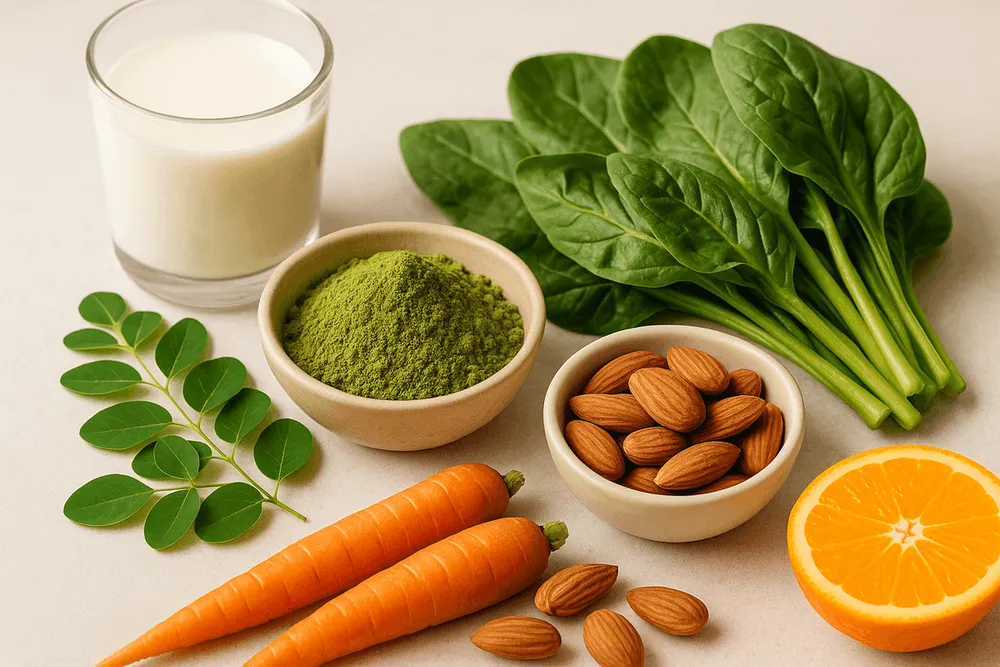
The combination of different minerals in Moringa creates powerful synergistic effects that support multiple aspects of health more effectively than individual minerals consumed separately.
Calcium + Magnesium
These two minerals work together to support optimal health in multiple ways:
- Bone Health: Work together for optimal bone density
- Muscle Function: Calcium contracts, magnesium relaxes
- Heart Health: Maintain proper heart rhythm
The balance between calcium and magnesium is crucial for muscle function and bone strength. Moringa provides both in ratios that support optimal absorption and utilization.
Iron + Vitamin C
Vitamin C enhances iron absorption and both nutrients work together to support energy and immunity:
- Absorption: Vitamin C enhances iron absorption significantly
- Energy: Both support energy production pathways
- Immune Function: Combined immune system support
Moringa’s natural combination of iron and vitamin C makes it particularly effective for supporting energy levels and immune function when consumed as part of a balanced diet.
Zinc + Magnesium
These minerals work together to support multiple aspects of wellness:
- Immune Support: Both boost immune function
- Sleep Quality: Both promote better sleep
- Stress Management: Help manage stress response
The combination of zinc and magnesium in Moringa supports immune health while also promoting relaxation and better sleep quality, making it valuable for overall wellness.
These synergistic relationships demonstrate why getting minerals from whole food sources like Moringa is often more effective than isolated supplements. The natural balance and interaction between minerals enhances their individual benefits.
Maximizing Mineral Absorption
Understanding how to maximize mineral absorption helps you get the most benefit from Moringa and other mineral sources. Several factors influence how well your body absorbs and utilizes these essential nutrients.
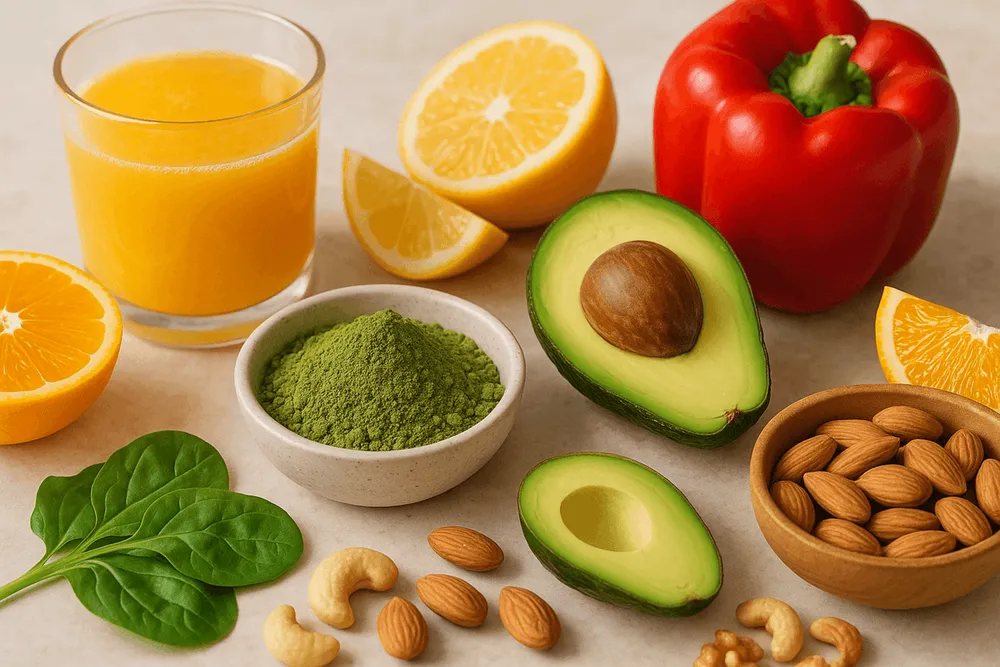
There are practical strategies you can use to enhance mineral absorption from Moringa powder. These tips help ensure your body utilizes the minerals effectively.
With Meals
Take Moringa with food for better absorption. Consuming minerals with meals helps optimize absorption and can reduce potential digestive discomfort.
Vitamin C Pairing
Pair with citrus fruits or bell peppers. Vitamin C significantly enhances iron absorption, making this combination particularly effective for supporting iron levels.
Healthy Fats
Some minerals are better absorbed with fats. Adding avocado, nuts, or olive oil to meals containing Moringa can enhance absorption of fat-soluble nutrients.
Avoid Coffee
Caffeine can interfere with mineral absorption. Consider spacing coffee consumption away from meals containing Moringa to maximize mineral uptake.
These absorption strategies work together to maximize the benefits you receive from Moringa’s mineral content. By timing your intake with meals, pairing it with vitamin C and healthy fats, and avoiding interference from caffeine, you can significantly improve how well your body absorbs and utilizes these essential minerals. Incorporating these practices into your routine helps ensure you’re getting the most nutritional value from every serving of Moringa.
Preparation Tips
Proper preparation and storage help preserve Moringa’s mineral content and ensure you get maximum nutritional value from your powder.
Raw Consumption
Add to smoothies or cold preparations to preserve all nutrients. Raw consumption ensures maximum mineral retention and bioavailability.
Low Heat
If cooking, use low temperatures to minimize nutrient loss. Gentle heat helps preserve mineral content while still allowing for versatile meal preparation.
Fresh Powder
Use within 6 months of opening for optimal mineral content. Fresh powder ensures maximum nutritional potency and better absorption of essential minerals.
Proper Storage
Keep in cool, dry place away from light to preserve minerals. Proper storage conditions help maintain nutritional value and extend the shelf life of your Moringa powder.
These absorption strategies and preparation tips work together to maximize the benefits you receive from Moringa’s mineral content. Incorporating these practices into your routine helps ensure optimal utilization of these essential nutrients.
Addressing Common Deficiencies
Mineral deficiencies are more common than many people realize, often due to modern dietary patterns and soil depletion. Understanding the signs of deficiency and how Moringa can help address them is valuable for maintaining optimal health.
Iron Deficiency
Common signs include fatigue, weakness, pale skin, and cold hands or feet. Iron deficiency can significantly impact energy levels and overall vitality.
Moringa Solution: 1-2 teaspoons daily with Vitamin C-rich foods to enhance absorption and support healthy iron levels.
Magnesium Deficiency
Signs may include muscle cramps, insomnia, anxiety, and headaches. Magnesium deficiency is widespread in modern diets.
Moringa Solution: 1 teaspoon daily, especially before bed, to support relaxation and sleep quality while addressing deficiency.
Calcium Deficiency
Signs include brittle bones, muscle cramps, and numbness. Adequate calcium is crucial for bone health throughout life.
Moringa Solution: 1-2 teaspoons daily with healthy fats to support calcium absorption and bone strength.
Zinc Deficiency
Signs include frequent infections, slow wound healing, and loss of taste. Zinc is essential for immune function and healing.
Moringa Solution: 1 teaspoon daily with protein-rich meals to enhance zinc absorption and support immune health.
If you suspect you have a mineral deficiency, consult with a healthcare provider for proper diagnosis and guidance. Moringa can be a valuable part of addressing deficiencies when used as part of a balanced, nutrient-rich diet.
Incorporating Moringa for Mineral Benefits
Adding Moringa powder to your routine is simple and versatile. The powder form integrates seamlessly into various foods and beverages, making it easy to incorporate into meals and snacks throughout your day while supporting your mineral intake.
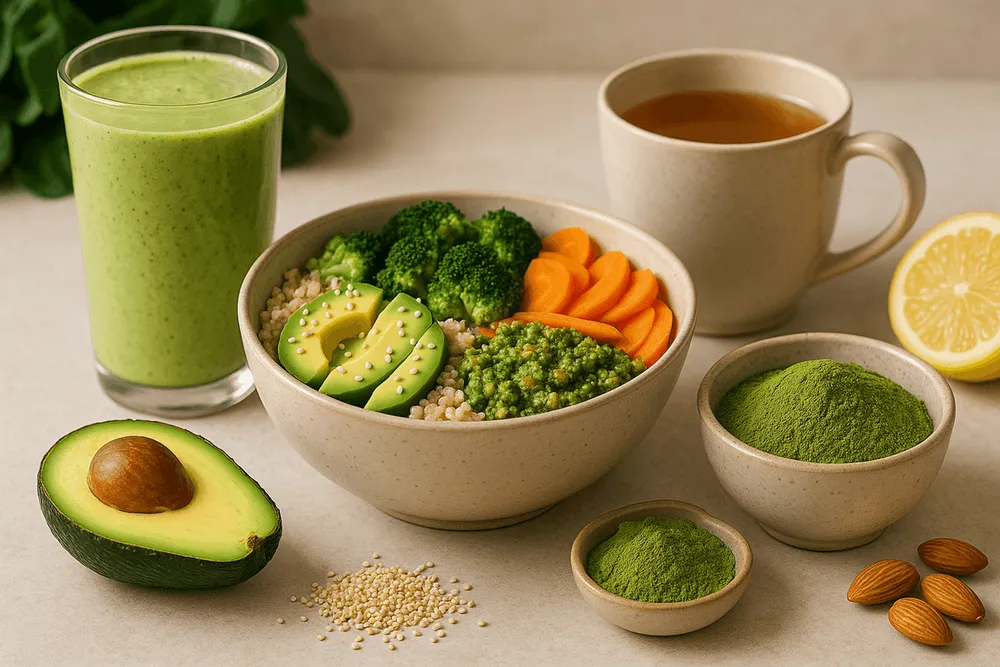
The versatility of Moringa powder means you can get its mineral benefits in numerous practical ways. Experiment with different methods to find what works best for your preferences and lifestyle.
Mineral-Rich Smoothie
Start your day with a smoothie that combines multiple minerals and absorption enhancers:
- 1 teaspoon Moringa powder
- 1 cup spinach (iron + folate)
- 1/2 banana (potassium)
- 1 tablespoon almond butter (healthy fats for absorption)
- 1 cup orange juice (Vitamin C for iron absorption)
This combination provides multiple minerals along with nutrients that enhance absorption, making it an efficient way to start your day with mineral support.
Mineral Power Bowl
Create a nutrient-dense meal that maximizes mineral absorption:
- 1 teaspoon Moringa powder
- 1/2 cup cooked quinoa (complete protein)
- 1/4 avocado (healthy fats)
- Handful of nuts (additional minerals)
- Lemon dressing (Vitamin C)
This power bowl combines Moringa’s minerals with complete protein, healthy fats, and vitamin C for optimal absorption and a satisfying, nutrient-rich meal.
Bedtime Mineral Tea
A relaxing evening beverage that supports mineral intake and sleep:
- 1/2 teaspoon Moringa powder
- Chamomile tea
- 1 teaspoon honey
- Warm almond milk
This soothing combination provides magnesium for relaxation while creating a calming bedtime ritual that supports both mineral intake and quality sleep.
Start with smaller amounts and gradually increase based on your preference. The key is finding methods that work for you so that incorporating Moringa becomes a sustainable part of your routine for ongoing mineral support.
Quality and Safety Considerations
When incorporating Moringa powder into your routine for mineral benefits, several factors can help you maximize its nutritional value and ensure you’re getting the best quality product.
Choose Quality Products
Select organic Moringa powder with third-party testing for purity and potency. Quality processing methods preserve more minerals, ensuring you get maximum nutritional value from your supplement.
Proper Storage
Store Moringa powder in a cool, dry place away from direct light to preserve mineral content. Proper storage helps maintain nutritional value over time and ensures optimal mineral levels.
Start Gradually
Begin with 1/2 teaspoon daily and gradually increase to 1-2 teaspoons as tolerated. This approach helps your body adjust and allows you to find the amount that works best for your individual needs.
Medical Considerations
Consult healthcare provider if you have kidney issues or other medical conditions. Some minerals require careful management with certain health conditions, so professional guidance is important.
Remember that while Moringa powder is an excellent source of minerals, it’s just one part of a balanced approach to nutrition. Combining it with other mineral-rich foods and maintaining a varied diet provides the best foundation for optimal health.
Conclusion
Moringa powder provides an exceptional concentration of essential minerals in a natural, bioavailable form. With significant amounts of calcium, iron, magnesium, and zinc in just one teaspoon, it’s an efficient way to address common mineral deficiencies.
In Summary: The mineral content in Moringa works synergistically to support multiple aspects of your health, from bone strength to immune function to energy production. For those following plant-based diets or looking to reduce their reliance on supplements, Moringa offers a natural solution to meet your mineral needs. The powdered form offers practical benefits including shelf stability, versatility, and comprehensive nutrition, making it a valuable addition to a balanced wellness routine focused on supporting optimal mineral intake and overall health.
Disclaimer
Information presented here is for educational purposes only. It is not medical advice or a substitute for consultation with a qualified healthcare professional. Statements have not been evaluated by the FDA and are not intended to diagnose, treat, cure, or prevent any disease.