Moringa Immune Support: Vitamin C & Antioxidant Power
Your immune system is your body’s first line of defense against illness and infection. Moringa provides powerful immune support through its exceptional vitamin C content and rich antioxidant profile, helping maintain your body’s natural defense mechanisms as part of a healthy lifestyle.

Moringa’s approach to immune support is comprehensive and nutrient-based. Instead of providing quick fixes, it delivers the vitamins, minerals, and antioxidants your immune system needs to function at its best. This nutritional foundation supports your body’s natural defense systems every day, not just when you’re feeling under the weather.
Vitamin C: The Immune System’s Best Friend
Moringa contains more vitamin C than oranges per serving, making it an excellent source of this essential nutrient that plays multiple roles in immune function. Vitamin C is water-soluble, meaning your body doesn’t store it, so regular intake through foods like Moringa helps maintain adequate levels for optimal immune support.
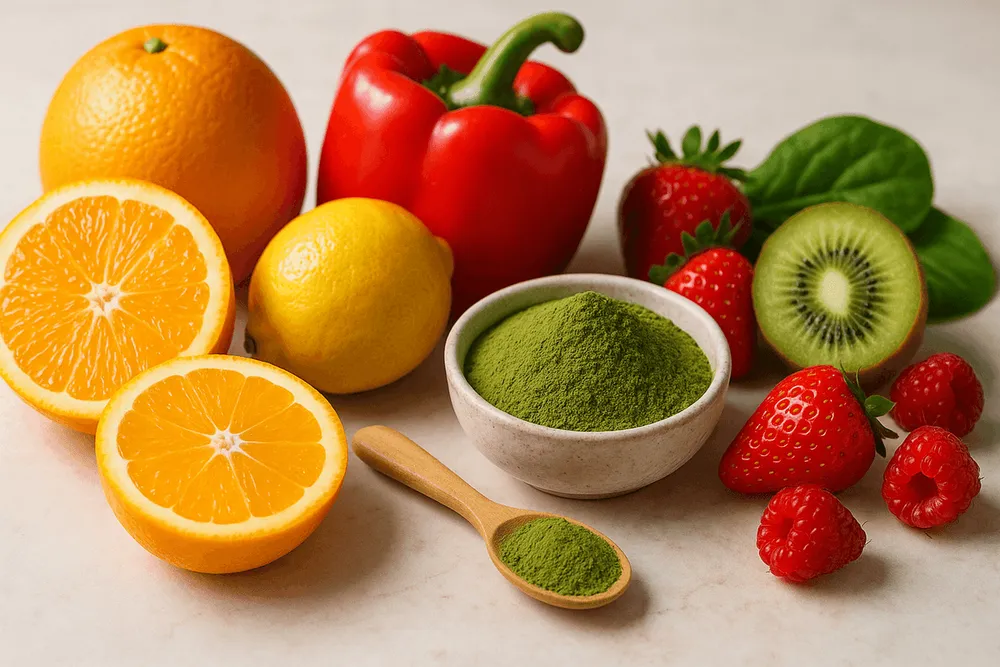
The vitamin C in Moringa works alongside other nutrients to provide comprehensive immune support. This synergistic approach means your body receives vitamin C along with iron for absorption, B-vitamins for energy metabolism, and other compounds that enhance its effectiveness.
Immune Function
Supports normal immune function and white blood cell activity, helping your body’s defense cells work effectively. Vitamin C is essential for the production and function of various immune cells that protect you from pathogens and infections.
Healthy Skin Barrier
Helps maintain healthy skin as a barrier against pathogens, providing your first line of physical defense. Your skin acts as a protective barrier, and vitamin C supports skin integrity and healing when this barrier is compromised.
Collagen Production
Supports collagen production for tissue repair and healing, helping your body recover from injury and maintain healthy connective tissues. Collagen is essential for wound healing and maintaining the integrity of skin, blood vessels, and other tissues.
Antioxidant Protection
Acts as a powerful antioxidant to protect cells from damage caused by free radicals. This cellular protection helps maintain the integrity of your immune cells and other cells throughout your body, supporting overall health and immune function.
These vitamin C-related functions demonstrate why adequate intake is crucial for immune health. The vitamin C in Moringa supports multiple aspects of your immune system, from cellular defense to tissue repair, creating a comprehensive foundation for immune wellness.
Antioxidants: Cellular Protection and Defense
Moringa is packed with antioxidants including quercetin, chlorogenic acid, beta-carotene, and various polyphenols. These compounds work together to provide cellular protection and support immune function through multiple pathways.

The diverse antioxidant profile in Moringa means you’re getting protection from multiple types of free radicals and oxidative stress. This comprehensive antioxidant support helps maintain the health of your immune cells and reduces the cellular damage that can compromise immune function.
Quercetin
Supports immune cell function by helping immune cells work more effectively. This flavonoid antioxidant also helps modulate inflammation responses, supporting balanced immune function that’s neither overactive nor underactive.
Chlorogenic Acid
Provides anti-inflammatory benefits that help maintain balanced immune responses. This compound supports healthy inflammation levels, which is important because excessive inflammation can compromise immune function and overall health.
Beta-Carotene
Converts to vitamin A for immune support, which is essential for maintaining healthy mucous membranes and supporting immune cell function. Vitamin A plays crucial roles in both innate and adaptive immune responses.
Polyphenols
Protect cells from oxidative stress that can damage immune cells and compromise their function. These compounds help neutralize free radicals, reducing cellular damage and supporting the longevity and effectiveness of your immune system.
The combination of multiple antioxidants in Moringa creates a comprehensive defense system for your cells. This multi-compound approach means you’re getting protection from various types of oxidative stress, which supports overall immune cell health and function.
Daily Wellness Routines
Incorporating Moringa into your daily routine provides consistent immune support through regular nutrient intake. The key is finding simple, sustainable ways to add Moringa that fit your lifestyle and preferences.

Consistency matters for immune support because your body uses vitamin C and antioxidants continuously. Regular intake helps maintain adequate levels of these nutrients, ensuring your immune system has the resources it needs whenever challenges arise.
Morning Immune Boost
Starting your day with Moringa sets a nutritional foundation for immune support. The vitamin C and antioxidants begin working immediately, supporting your immune system from the moment you wake up.
Morning Smoothie
Add Moringa powder to your morning smoothie for an easy way to get immune-supporting nutrients with your breakfast. Combine with vitamin C-rich fruits like berries or citrus for enhanced absorption and flavor.
Warm Water and Honey
Mix with warm water and honey for a soothing morning drink that supports hydration and provides immune nutrients. This simple combination delivers vitamin C and antioxidants in an easy-to-digest form.
Breakfast Routine
Include in your breakfast routine by adding to oatmeal, yogurt, or grain bowls. The mild flavor blends well with breakfast foods, and you’re starting your day with immune-supporting nutrients that work throughout the morning.
These morning options give you flexibility in how you incorporate Moringa into your routine. Choose methods that fit your preferences, ensuring you consistently provide your immune system with the nutritional support it needs.
Consistent Support
Maintaining consistent intake of immune-supporting nutrients helps your body maintain optimal immune function over time. Unlike stimulants that provide temporary effects, nutritional support builds gradually as your body uses these nutrients to support immune cell production, function, and protection. This steady approach means your immune system receives ongoing support rather than intermittent boosts, creating a more sustainable foundation for immune health that adapts to your body’s changing needs throughout different seasons and life circumstances.
Daily Intake
Take Moringa daily for ongoing immune support because vitamin C is water-soluble and needs regular replenishment. Consistent daily intake helps maintain steady levels of immune-supporting nutrients in your system.
Combining with Other Foods
Combine with other immune-supporting foods to create a comprehensive approach. Foods rich in zinc, vitamin D, and probiotics can work alongside Moringa to provide multifaceted immune support.
Seasonal Maintenance
Maintain during seasonal changes when your immune system may face additional challenges. Consistent nutritional support helps your body adapt to seasonal transitions and environmental changes.
Consistency in your Moringa intake creates a stable foundation for immune support. This regular nutritional input helps ensure your immune system always has access to the nutrients it needs for optimal function.
Supporting Balanced Nutrition
Moringa’s immune benefits work synergistically with a balanced diet that provides all the nutrients your immune system needs. No single food can provide complete immune support on its own, making balanced nutrition essential.
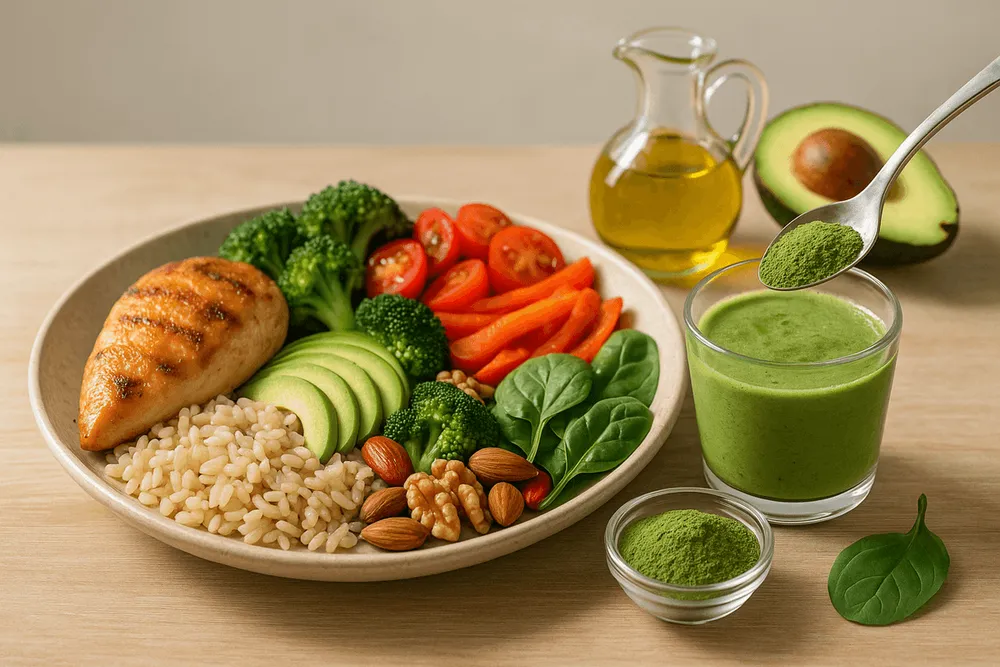
A comprehensive approach to immune nutrition means getting adequate amounts of all immune-supporting nutrients. Moringa contributes significantly to this foundation, but it works best when combined with other nutrient-rich foods.
Adequate Protein
Adequate protein for immune cell production ensures your body can create the cells needed for immune function. All immune cells are made of protein, making adequate intake essential for maintaining a robust immune system.
Healthy Fats
Healthy fats for nutrient absorption help your body utilize fat-soluble vitamins like vitamin A and vitamin E, which also support immune function. These fats also provide building blocks for immune cell membranes.
Colorful Fruits and Vegetables
Colorful fruits and vegetables for additional antioxidants provide a diverse range of phytonutrients that complement Moringa’s antioxidant profile. This diversity helps protect against various types of oxidative stress.
Adequate Hydration
Adequate hydration for optimal immune function helps maintain the fluid balance needed for immune cells to move throughout your body. Water also supports lymphatic function, which is crucial for immune responses.
When these nutritional elements work together with Moringa, you create a comprehensive foundation for immune health. This integrated approach ensures your immune system receives all the nutrients it needs to function optimally.
Lifestyle Factors for Immune Health
While Moringa provides nutritional support, optimal immune function also depends on lifestyle factors that support your body’s natural defense systems. Nutrition alone can only do so much if other aspects of your lifestyle are working against immune health.

A holistic approach to immune health addresses multiple factors simultaneously. Moringa provides the nutritional foundation, but combining it with other healthy lifestyle practices creates a comprehensive approach to immune support.
Quality Sleep
Quality sleep of 7-9 hours per night allows your immune system to restore and repair itself. During sleep, your body produces immune cells and processes that support immune function, making adequate rest fundamental for immune health.
Regular Exercise
Regular exercise to support circulation improves immune cell movement throughout your body and enhances lymphatic function. Moderate, consistent exercise has been shown to support immune function, while excessive exercise can temporarily suppress it.
Stress Management
Stress management to reduce immune suppression helps prevent cortisol from interfering with immune function. Chronic stress can compromise immune responses, making stress management techniques like meditation, breathing exercises, or gentle movement important for immune health.
Good Hygiene Practices
Good hygiene practices to prevent infection reduce your exposure to pathogens, giving your immune system fewer challenges to handle. Simple practices like handwashing and avoiding close contact when sick support your immune system by reducing its workload.
When these lifestyle factors work together with Moringa’s nutritional support, you create a comprehensive approach to immune health. This integrated strategy addresses multiple aspects of immune function, supporting your body’s natural defense systems from multiple angles.
Seasonal Support
Moringa can be particularly beneficial during times when your immune system faces increased challenges. Seasonal transitions, travel, and high-stress periods can all place additional demands on your immune function.

Having nutritional support available during these periods helps ensure your immune system has the resources it needs to handle increased demands. The vitamin C and antioxidants in Moringa can be especially valuable when your body is working harder to maintain health.
Cold and Flu Season
Cold and flu season for additional vitamin C provides extra nutritional support when pathogens are more prevalent in your environment. The increased vitamin C intake can help maintain immune function during this challenging period.
Seasonal Transitions
Seasonal transitions when immune systems may be stressed benefit from consistent nutritional support. Changes in temperature, humidity, and daylight can affect immune function, making nutritional support particularly valuable during these periods.
Travel Periods
Travel periods when exposure to new pathogens increases can benefit from additional immune support. Changes in time zones, diet, and environment place stress on your system, making nutritional support like Moringa valuable for maintaining immune function.
High-Stress Periods
High-stress periods when immune function may be compromised benefit from consistent nutritional support. Stress can suppress immune function, making it important to maintain adequate intake of immune-supporting nutrients during challenging times.
These seasonal considerations demonstrate why having Moringa as part of your routine provides ongoing support that adapts to your body’s changing needs. The consistent nutritional foundation helps ensure your immune system has resources available whenever challenges arise.
Scientific Foundation
Research shows that vitamin C and antioxidants from natural sources can support normal immune function. These nutrients work together to help maintain your body’s natural defense mechanisms through well-established biochemical pathways.
Studies examining vitamin C consistently demonstrate its role in supporting various aspects of immune function, from white blood cell production to antioxidant protection. Similarly, research on antioxidants like quercetin and chlorogenic acid shows their ability to support cellular health and immune cell function.
In Summary
Moringa provides comprehensive immune support through its vitamin C content and antioxidant profile. By incorporating Moringa into a balanced lifestyle that includes proper nutrition, adequate sleep, stress management, and good hygiene practices, you can help support your body’s natural immune function and overall wellness.
The nutritional approach to immune support that Moringa represents is sustainable, comprehensive, and aligned with how your body naturally maintains its defense systems. This makes it an excellent choice for anyone seeking to support immune health through nutrition as part of a holistic wellness strategy.
Disclaimer
Information presented here is for educational purposes only. It is not medical advice or a substitute for consultation with a qualified healthcare professional. Statements have not been evaluated by the FDA and are not intended to diagnose, treat, cure, or prevent any disease.