How to Store Moringa: Shelf Life and Preservation Tips
Proper storage is essential for maintaining Moringa’s nutritional quality, vibrant color, and freshness. Whether you have Moringa powder, capsules, or tea, understanding how to store it correctly helps preserve its nutrients and extends its shelf life. This guide covers everything you need to know about storing Moringa effectively.
Storing Moringa correctly protects its valuable nutrients from degradation. Exposure to light, air, moisture, and heat can reduce the nutritional content and cause the powder to lose its vibrant green color. By following proper storage guidelines, you can ensure your Moringa maintains its quality and provides maximum nutritional benefits throughout its shelf life.
Why Proper Storage Matters
Moringa contains heat-sensitive and light-sensitive nutrients that can degrade when exposed to unfavorable conditions. Understanding why storage matters helps you make better decisions about how to keep your Moringa fresh and potent.
Vitamin C, one of Moringa’s standout nutrients, is particularly sensitive to heat, light, and air exposure. Other vitamins and antioxidants can also degrade when stored improperly. The vibrant green color of high-quality Moringa powder is a visual indicator of freshness, and proper storage helps maintain this color.
When Moringa is exposed to moisture, it can clump together, develop an off-odor, or even grow mold. Air exposure can cause oxidation, which reduces the antioxidant content. Heat can accelerate nutrient degradation, and light can break down sensitive compounds.
Ideal Storage Conditions
The best storage conditions for Moringa involve controlling temperature, light, air, and moisture. Creating the right environment helps preserve nutrients and maintain quality.
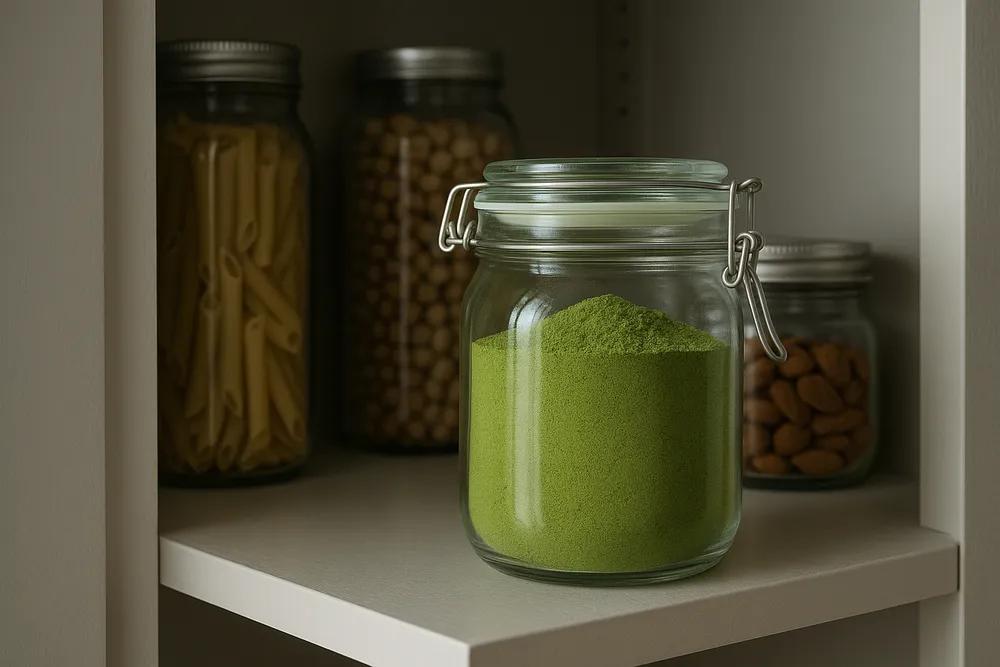
Store Moringa in a cool, dry place away from direct sunlight. A pantry, cupboard, or kitchen cabinet away from the stove or oven works well. The ideal temperature is room temperature or slightly cooler, avoiding areas that get warm from appliances or sunlight.
Keep Moringa away from heat sources like stoves, ovens, dishwashers, or heating vents. Heat accelerates nutrient degradation and can cause the powder to lose its vibrant color. Also avoid storing it near windows or in areas that receive direct sunlight, as light can break down sensitive nutrients.
Temperature Control
Store at room temperature or slightly cooler. Avoid warm areas near appliances, heating vents, or windows that receive direct sunlight. Consistent, moderate temperatures help preserve nutrients.
Protect from Light
Keep Moringa away from direct sunlight and bright light. Light can degrade sensitive nutrients like vitamin C and cause the powder to lose its vibrant green color. Store in opaque containers or dark cupboards.
Keep It Dry
Moisture is one of the biggest enemies of Moringa powder. Store away from sinks, dishwashers, and humid areas. Use airtight containers to prevent moisture from getting in, which can cause clumping or spoilage.
Creating these ideal storage conditions helps preserve Moringa’s nutritional value and extends its shelf life significantly.
Container Selection
The container you use for storing Moringa is crucial for maintaining freshness. The right container protects against air, light, and moisture while keeping the powder accessible.
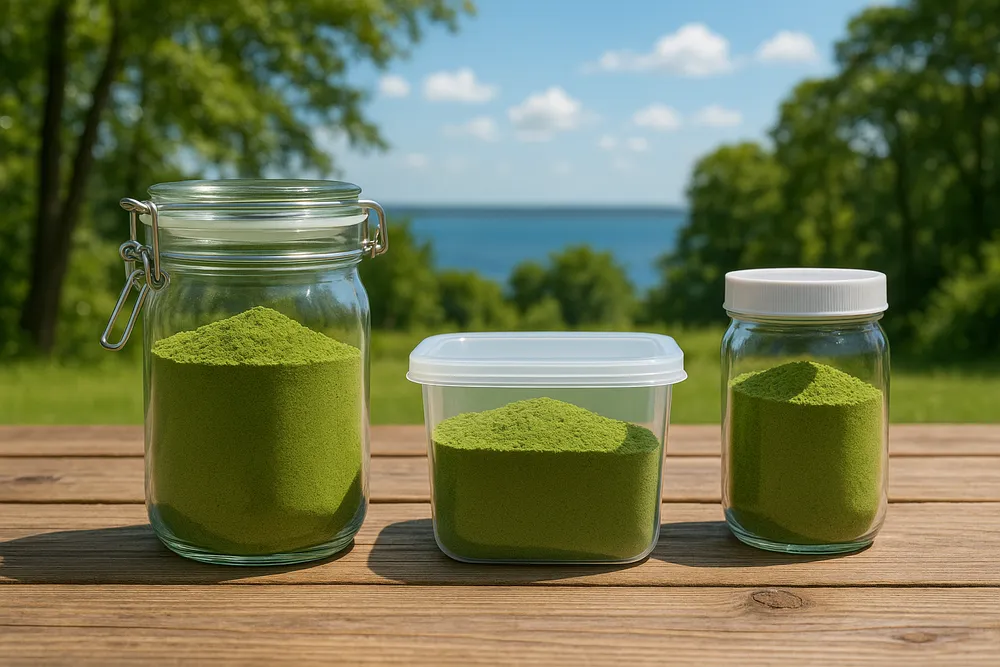
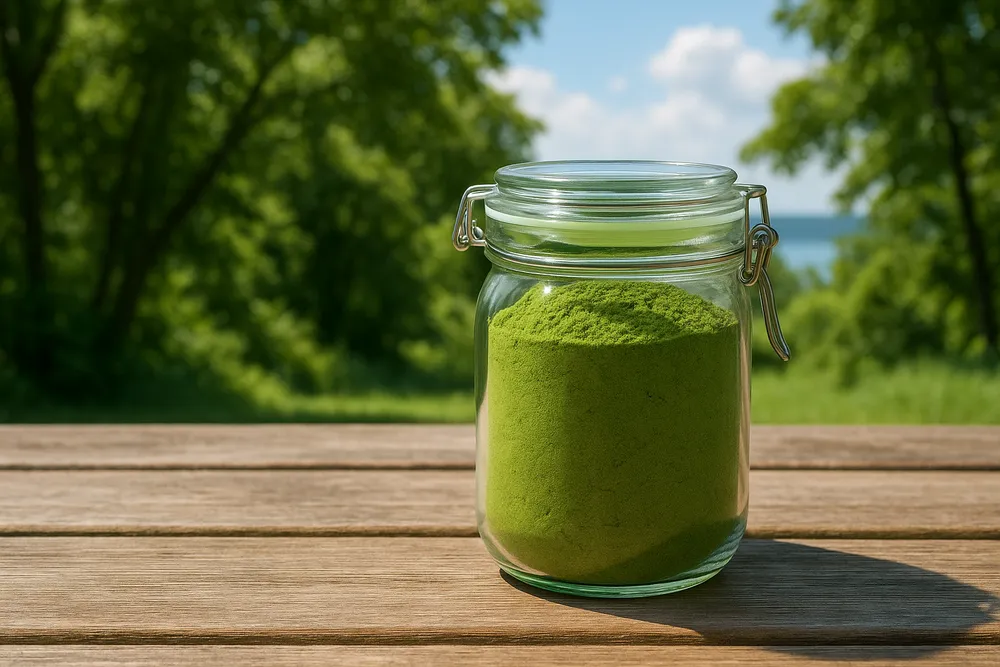
The best containers for Moringa powder are airtight and opaque or stored in a dark place. Glass jars with tight-fitting lids work well, especially if they’re stored in a dark cupboard. Food-safe plastic containers with secure lids are also effective, as long as they’re completely airtight.
If your Moringa comes in a resealable bag, you can keep it in the original packaging if it has a good seal. However, transferring it to a more robust airtight container often provides better protection, especially if you’ll be using it over several months.
Airtight is Essential
Choose containers with tight-fitting, secure lids that prevent air from entering. This protects against oxidation and helps maintain the powder’s nutritional content and color.
Original Packaging
Many Moringa products come in resealable bags or containers designed for storage. If the original packaging is airtight and you’ll use it relatively quickly, it may be sufficient.
Upgrade When Needed
If you plan to store Moringa for an extended period, consider transferring it to a high-quality airtight container. This provides better long-term protection than flimsy bags.
The right container makes a significant difference in how well your Moringa maintains its quality over time.
Storage for Different Forms
Different forms of Moringa have slightly different storage considerations. Understanding these differences helps you store each form optimally.
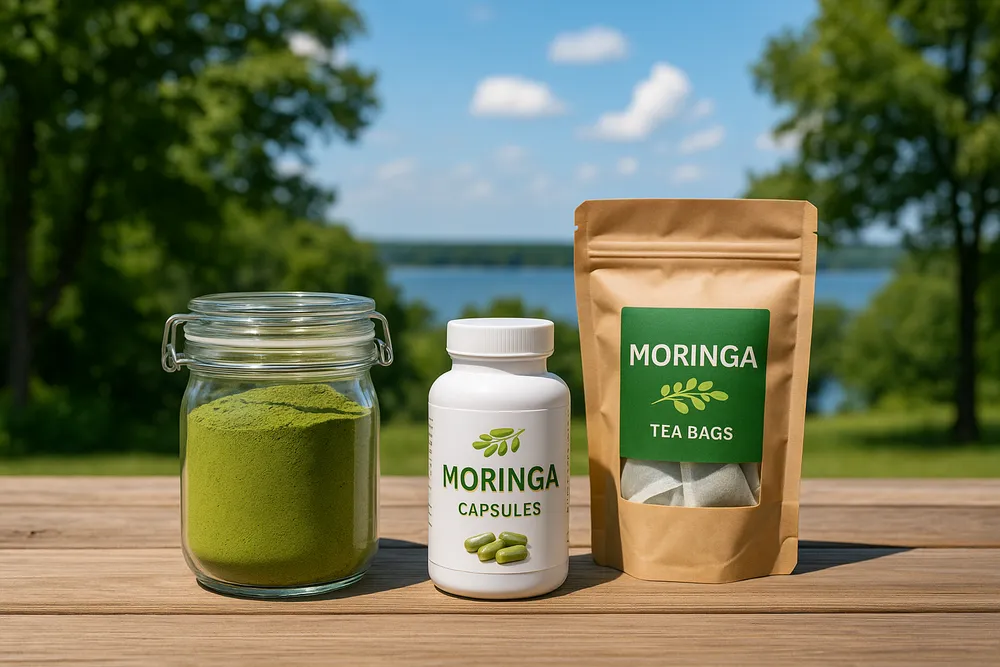
Moringa powder is the most sensitive to storage conditions because of its large surface area exposed to air. It needs the most protection from air, light, and moisture. Keep it in an airtight, opaque container in a cool, dark place.
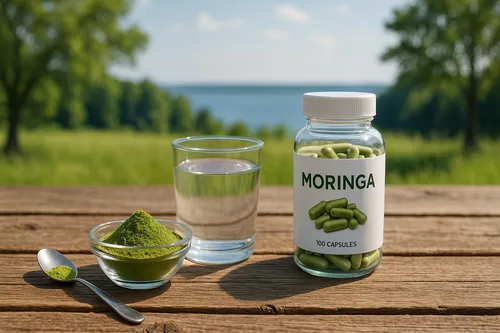
Moringa capsules are more protected by their capsule shell, but they still need to be stored in a cool, dry place away from light. Keep them in their original bottle with the lid tightly closed. The capsule form provides some natural protection, but proper storage is still important.
Moringa tea bags should be stored in their original packaging or an airtight container. Keep them away from strong odors, as tea can absorb smells. Store in a cool, dry place, and use them within their expiration date for best flavor and benefits.
Shelf Life and Expiration
Understanding Moringa’s shelf life helps you plan your purchases and know when to replace older products. Proper storage significantly extends how long Moringa remains fresh and potent.
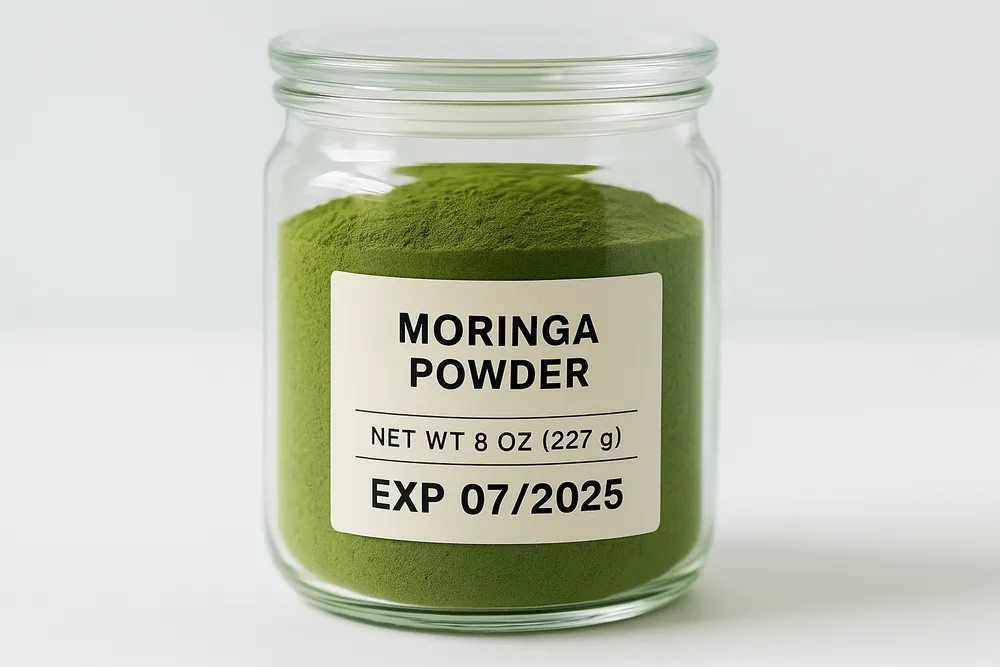
When stored correctly, Moringa powder typically maintains its quality for 1-2 years from the date of manufacture. The exact shelf life depends on how it was processed, packaged, and stored. High-quality products that are properly stored can maintain their nutritional value and color for the full shelf life period.
Check the expiration date on your Moringa product and use it before that date for best results. Even if stored properly, nutrients can gradually degrade over time, so fresher is generally better. If you notice the powder has lost its vibrant green color, developed an off-odor, or changed texture significantly, it may be past its prime.
Typical Shelf Life
Most Moringa products have a shelf life of 1-2 years when stored properly. Check the expiration date on your product and use it before that date for maximum nutritional benefits.
Signs of Degradation
If Moringa powder loses its vibrant green color, develops a musty or off-odor, clumps together, or changes texture significantly, it may have degraded. When in doubt, it’s better to replace it.
Rotation Strategy
Use older Moringa first and keep newer purchases in reserve. This ensures you’re always using the freshest product and getting maximum nutritional benefits from your supplement.
Understanding shelf life helps you make informed decisions about purchasing and using Moringa products.
Common Storage Mistakes
Avoiding common storage mistakes helps preserve your Moringa’s quality. Many people unknowingly store Moringa in ways that accelerate nutrient degradation.
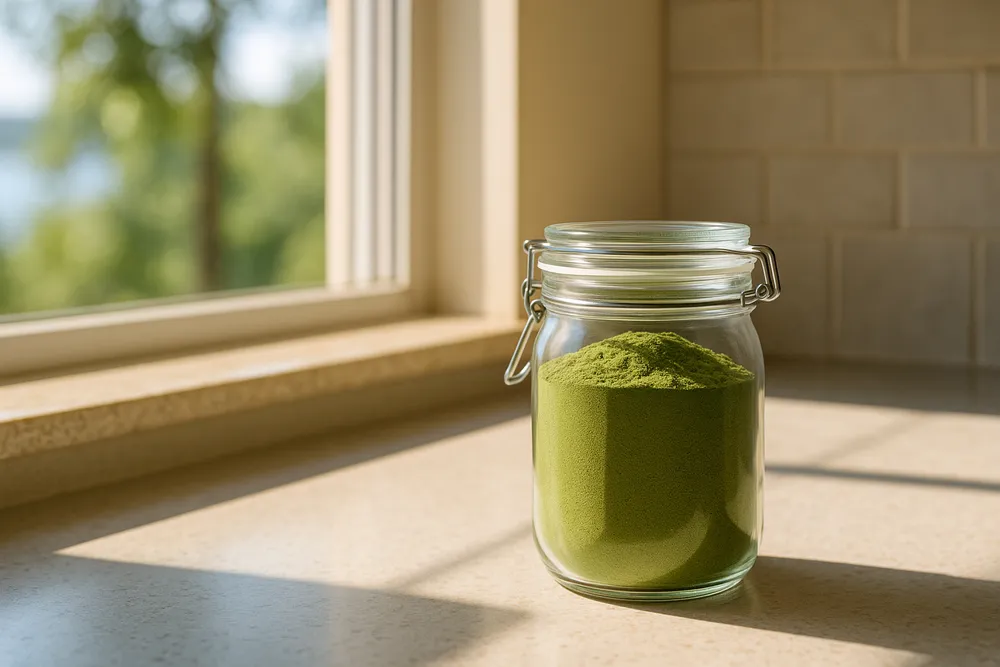
One common mistake is storing Moringa near the stove or in a warm kitchen. Heat accelerates nutrient degradation, especially for heat-sensitive vitamins like vitamin C. Another mistake is leaving the container open or using a container that doesn’t seal properly, allowing air and moisture to enter.
Storing Moringa in clear containers in bright light is also problematic. Even if the container is airtight, light exposure can degrade nutrients. Storing it in the refrigerator isn’t necessary and can actually introduce moisture if the container isn’t perfectly sealed, leading to clumping.
Best Practices Summary
Following a few simple best practices ensures your Moringa stays fresh and potent. These guidelines apply whether you have powder, capsules, or tea.
Keep Moringa in an airtight container in a cool, dark, dry place. A pantry or cupboard away from heat sources works well. Always close the container tightly after each use to prevent air and moisture from entering.
Check your Moringa periodically for signs of degradation. If the powder has lost its vibrant color, developed an off-odor, or changed significantly in texture, it may be time to replace it. When stored properly, Moringa should maintain its quality throughout its shelf life.
Conclusion
Proper storage is essential for maintaining Moringa’s nutritional quality and getting the most value from your supplement. By storing it in a cool, dark, dry place in an airtight container, you can preserve its nutrients and extend its shelf life.
In Summary: Store Moringa in an airtight container in a cool, dark, dry place away from heat, light, and moisture. Avoid storing near stoves, windows, or humid areas. Use containers with tight-fitting lids, and always seal them properly after use. When stored correctly, Moringa typically maintains quality for 1-2 years. Check expiration dates and watch for signs of degradation like color loss or off-odors. Proper storage helps ensure you get maximum nutritional benefits from your Moringa supplement.
Disclaimer
Information presented here is for educational purposes only. It is not medical advice or a substitute for consultation with a qualified healthcare professional. Statements have not been evaluated by the FDA and are not intended to diagnose, treat, cure, or prevent any disease.