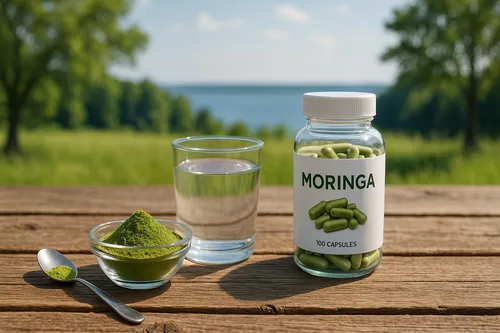
Moringa for Digestive Health: Gut Health Benefits
Digestive health is fundamental to overall wellness, and Moringa offers several ways to support a healthy digestive system. Through its fiber content, antioxidants, anti-inflammatory compounds, and gentle nutritional profile, Moringa can contribute to digestive wellness when incorporated as part of a balanced diet. Understanding how Moringa supports digestive health helps you make informed decisions about using it for gut wellness.

A healthy digestive system is essential for nutrient absorption, immune function, and overall well-being. Moringa provides nutrients and compounds that support digestive health through multiple mechanisms, from promoting regular digestion to supporting the gut microbiome. While Moringa isn’t a cure for digestive issues, it can be a valuable part of a digestive wellness routine.
Understanding Digestive Health
Digestive health involves the proper functioning of your entire digestive system, from the breakdown of food to nutrient absorption and waste elimination. A healthy digestive system efficiently processes what you eat, absorbs nutrients, and maintains a balanced gut microbiome.

Your digestive system is responsible for breaking down food into nutrients your body can use, absorbing those nutrients, and eliminating waste. It also houses a complex ecosystem of beneficial bacteria known as the gut microbiome, which plays important roles in digestion, immune function, and even mood regulation.
When your digestive system functions well, you experience regular digestion, efficient nutrient absorption, and overall comfort. Digestive health can be supported through proper nutrition, adequate fiber intake, hydration, and lifestyle factors like regular physical activity and stress management.
Moringa’s Digestive Benefits
Moringa supports digestive health through several mechanisms. Its combination of fiber, antioxidants, anti-inflammatory compounds, and gentle nutritional profile makes it beneficial for digestive wellness.

Moringa contains dietary fiber, which is essential for healthy digestion. Fiber helps promote regular bowel movements, supports the growth of beneficial gut bacteria, and contributes to overall digestive comfort. The fiber in Moringa works alongside its other nutrients to support digestive function.
Moringa also provides antioxidants and anti-inflammatory compounds that can help support a healthy digestive environment. These compounds may help reduce oxidative stress in the digestive tract and support balanced inflammation responses, which are important for maintaining digestive health.
Dietary Fiber
Moringa provides dietary fiber that supports regular digestion and promotes healthy bowel movements. Fiber also serves as food for beneficial gut bacteria, helping maintain a balanced gut microbiome.
Antioxidants
The antioxidants in Moringa help protect digestive cells from oxidative stress. This cellular protection supports the health and function of your digestive system.
Anti-Inflammatory Compounds
Moringa contains compounds that support healthy inflammation responses in the digestive tract. Balanced inflammation is important for maintaining digestive comfort and function.
These digestive benefits work together to support overall gut health when Moringa is used as part of a balanced diet and healthy lifestyle.
Fiber and Digestive Regularity
Fiber is one of the most important nutrients for digestive health, and Moringa provides a good source of dietary fiber. Understanding how fiber supports digestion helps explain one of Moringa’s key digestive benefits.

Dietary fiber comes in two main types: soluble and insoluble. Both types are important for digestive health, and Moringa contains both. Soluble fiber dissolves in water and forms a gel-like substance that can help slow digestion and support nutrient absorption. Insoluble fiber adds bulk to stool and helps move food through the digestive system.
The fiber in Moringa helps promote regular bowel movements by adding bulk to stool and supporting healthy digestion. This can be particularly beneficial for people who struggle with irregularity or want to maintain consistent digestive function.
Promotes Regularity
The fiber in Moringa helps add bulk to stool and supports regular bowel movements. This contributes to digestive comfort and regularity.
Feeds Beneficial Bacteria
Fiber serves as prebiotic food for beneficial gut bacteria. These bacteria help maintain digestive health and support immune function.
Supports Nutrient Absorption
A healthy digestive system with adequate fiber supports efficient nutrient absorption. This helps ensure you get the most from the foods you eat.
The fiber content in Moringa makes it a valuable addition to a digestive wellness routine, supporting both regularity and overall gut health.
Gut Microbiome Support
The gut microbiome, the community of beneficial bacteria in your digestive system, plays a crucial role in digestive health. Moringa can support a healthy gut microbiome through its fiber content and beneficial plant compounds.

Your gut microbiome consists of trillions of bacteria that live in your digestive tract. These bacteria help break down food, produce certain vitamins, support immune function, and maintain digestive health. A balanced, diverse microbiome is associated with better digestive function and overall wellness.
The fiber in Moringa acts as a prebiotic, serving as food for beneficial gut bacteria. When these bacteria consume fiber, they produce short-chain fatty acids that support digestive health and may have additional benefits for overall wellness.
Prebiotic Fiber
Moringa’s fiber serves as prebiotic food for beneficial gut bacteria. This helps support a diverse, healthy microbiome that contributes to digestive wellness.
Microbiome Diversity
Supporting beneficial bacteria through fiber helps maintain microbiome diversity. A diverse microbiome is associated with better digestive function and overall health.
Immune Support
A healthy gut microbiome supports immune function, and the gut is home to a significant portion of your immune system. Supporting gut bacteria indirectly supports immune health.
Supporting your gut microbiome through Moringa’s fiber content is one way to promote long-term digestive health and overall wellness.
Anti-Inflammatory Support
Inflammation in the digestive tract can contribute to digestive discomfort and affect digestive function. Moringa contains compounds that support healthy inflammation responses, which can benefit digestive health.
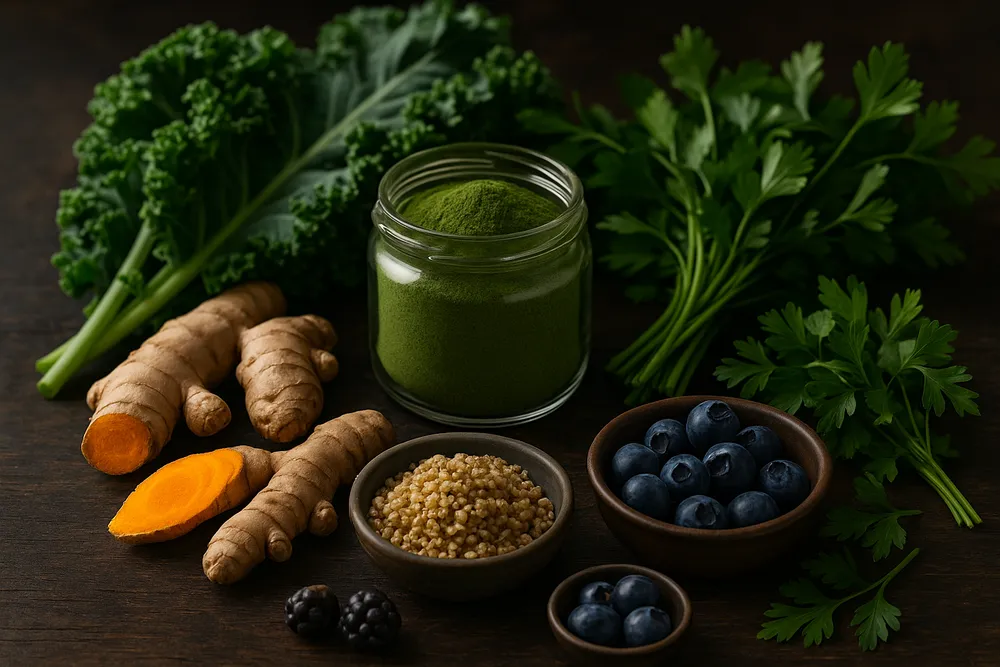
Chronic inflammation in the digestive tract can interfere with normal digestive function and cause discomfort. Supporting healthy inflammation responses is important for maintaining digestive wellness and comfort.
Moringa contains various anti-inflammatory compounds, including flavonoids and polyphenols, that help support balanced inflammation responses. These compounds work throughout the body, including in the digestive tract, to help maintain healthy inflammation levels.
Balanced Inflammation
Moringa’s anti-inflammatory compounds help support balanced inflammation responses in the digestive tract. This contributes to digestive comfort and function.
Plant Compounds
Flavonoids and polyphenols in Moringa provide natural anti-inflammatory support. These compounds work together to support digestive wellness.
Digestive Comfort
Supporting healthy inflammation levels in the digestive tract can contribute to overall digestive comfort and function.
The anti-inflammatory support that Moringa provides is one way it contributes to digestive wellness and overall comfort.
Gentle on the Digestive System
Moringa is generally gentle on the digestive system, especially when compared to some supplements or isolated nutrients. This makes it a good choice for people who want digestive health support without causing additional digestive stress.

Many people find that whole food sources like Moringa are easier on their digestive system than isolated supplements. The natural combination of nutrients in Moringa, along with its fiber content, can be more digestible than synthetic or isolated forms of nutrients.
Starting with small amounts of Moringa and gradually increasing based on how your body responds helps ensure it’s gentle on your digestive system. Taking Moringa with food can also help minimize any potential digestive sensitivity.
Whole Food Source
Moringa is a whole food source of nutrients, which many people find easier to digest than isolated supplements. The natural combination of nutrients works together harmoniously.
Start Gradually
Beginning with small amounts and gradually increasing helps your digestive system adjust. This approach minimizes the chance of any digestive discomfort.
Take With Food
Taking Moringa with meals can help enhance nutrient absorption and reduce the chance of any digestive sensitivity. This is especially helpful if you have a sensitive stomach.
The gentle nature of Moringa makes it suitable for most people when used appropriately, supporting digestive health without causing additional digestive stress.
How to Use Moringa for Digestive Health
Using Moringa effectively for digestive health involves choosing the right form, timing, and amount. Understanding these factors helps you get the most digestive benefits from Moringa.
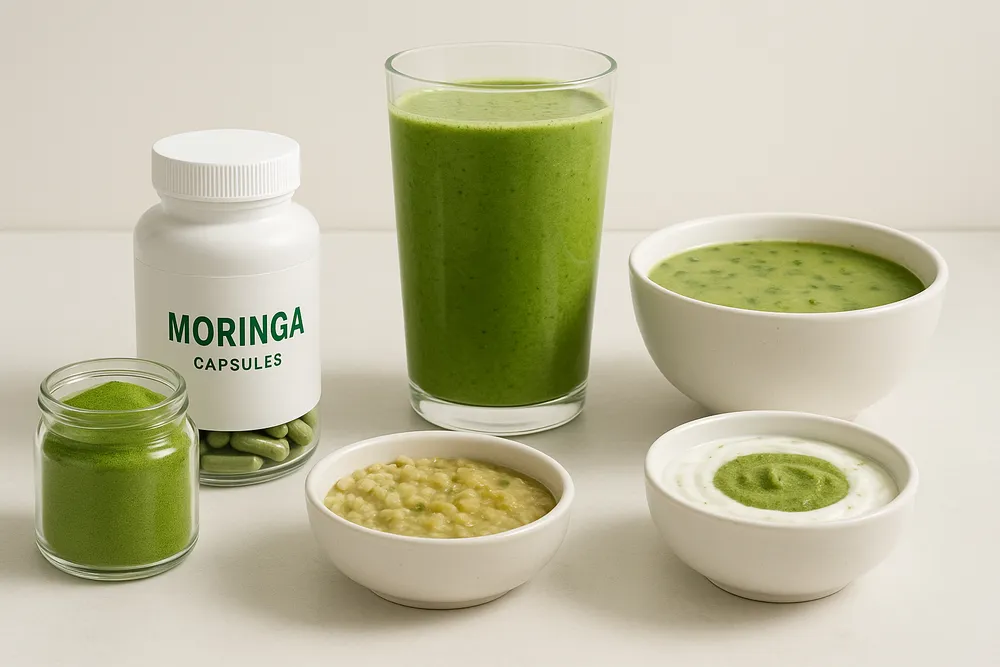
Both Moringa powder and capsules can support digestive health. Powder allows you to add it to foods and beverages, which can help with gradual introduction and mixing with other fiber-rich foods. Capsules provide convenience and precise dosing, which some people prefer for digestive health routines.
Taking Moringa with meals is generally recommended for digestive health, as this can enhance nutrient absorption and reduce the chance of any sensitivity. Starting with smaller amounts and gradually increasing based on how your body responds helps ensure a positive experience.
Choose Your Form
Both powder and capsules can support digestive health. Powder offers flexibility to add to fiber-rich foods, while capsules provide convenience and precise dosing.
Take With Meals
Taking Moringa with meals supports nutrient absorption and can help minimize any digestive sensitivity. This approach works well for most people.
Start Small
Begin with 1 teaspoon of powder or 2-3 capsules per day, and gradually increase based on how your body responds. This helps your digestive system adjust comfortably.
Using Moringa thoughtfully for digestive health helps you get the most benefits while supporting your digestive system’s natural function.
Important Considerations
While Moringa can support digestive health, there are important considerations to keep in mind. Understanding these helps you use Moringa safely and effectively for digestive wellness.
Moringa is not a treatment or cure for digestive conditions. If you have chronic digestive issues, it’s important to work with a healthcare provider to address the underlying causes. Moringa can be part of a digestive wellness routine, but it shouldn’t replace medical care for serious digestive conditions.
Some people may experience mild digestive discomfort when first starting Moringa, especially if they start with larger amounts. This is why starting gradually and taking Moringa with food is recommended. If you experience persistent digestive issues, it’s best to reduce the amount or consult with a healthcare provider.
Not a Treatment
Moringa supports digestive health but is not a treatment for digestive conditions. If you have chronic digestive issues, work with a healthcare provider for proper diagnosis and treatment.
Individual Response
Everyone’s digestive system is different. Pay attention to how your body responds and adjust your Moringa intake accordingly. What works for one person may not work for another.
Holistic Approach
Digestive health is best supported through a holistic approach that includes proper nutrition, adequate hydration, regular physical activity, stress management, and adequate sleep. Moringa is one piece of this puzzle.
Keeping these considerations in mind helps you use Moringa safely and effectively as part of a comprehensive digestive wellness routine.
Conclusion
Moringa can be a valuable addition to a digestive wellness routine through its fiber content, antioxidants, anti-inflammatory compounds, and gentle nutritional profile. While it’s not a treatment for digestive conditions, it can support digestive health when used as part of a balanced diet and healthy lifestyle.
In Summary: Moringa supports digestive health through dietary fiber that promotes regularity and feeds beneficial gut bacteria, antioxidants that protect digestive cells, and anti-inflammatory compounds that support balanced inflammation responses. It’s generally gentle on the digestive system, especially when taken with food and started gradually. Use Moringa as part of a holistic approach to digestive wellness that includes proper nutrition, hydration, physical activity, and stress management. If you have chronic digestive issues, work with a healthcare provider for proper diagnosis and treatment. Moringa can complement a digestive health routine but shouldn’t replace medical care for serious conditions.
Disclaimer
Information presented here is for educational purposes only. It is not medical advice or a substitute for consultation with a qualified healthcare professional. Statements have not been evaluated by the FDA and are not intended to diagnose, treat, cure, or prevent any disease.