Moringa in Coffee: Benefits and How to Add It
Combining Moringa with coffee creates a functional beverage that enhances your morning routine with additional nutrients, antioxidants, and wellness benefits. This simple addition transforms your daily coffee into a more nutritious drink without compromising flavor or requiring artificial ingredients. Understanding the science and benefits helps you make the most of this powerful combination.

Adding Moringa to coffee isn’t just about flavor - it’s about creating a synergistic combination that provides both immediate energy from caffeine and sustained nutritional support from Moringa’s vitamins, minerals, and antioxidants. This blend offers a natural way to enhance your coffee’s nutritional profile while maintaining the ritual and experience of your morning cup.
Why Combine Moringa and Coffee?
Coffee and Moringa complement each other in ways that create a more functional beverage than either alone. Understanding why this combination works helps you appreciate the benefits you’re getting from this simple addition.
Coffee provides caffeine for immediate energy and mental alertness, along with its own antioxidants. Moringa adds a comprehensive nutritional profile including vitamins, minerals, complete protein, and additional antioxidants. Together, they create a beverage that offers both immediate energy and sustained nutritional support.
The combination also addresses some of coffee’s limitations. While coffee provides caffeine and some antioxidants, it doesn’t offer the wide range of vitamins and minerals that Moringa provides. Adding Moringa fills these nutritional gaps, creating a more complete morning beverage.
Dual Energy Support
Coffee provides immediate caffeine energy, while Moringa offers sustained energy support through iron and B-vitamins. This combination helps you avoid the energy crashes that can come from caffeine alone.
Enhanced Nutrition
Moringa adds vitamins A and C, calcium, iron, potassium, and complete protein to your coffee, significantly increasing its nutritional value without adding calories or artificial ingredients.
Antioxidant Synergy
Both coffee and Moringa contain antioxidants, and combining them increases your total antioxidant intake. This helps protect cells from oxidative stress and supports overall wellness.
The combination of coffee and Moringa creates a more complete morning beverage that supports both immediate energy needs and long-term nutritional goals.
The Science Behind the Combination
Understanding the scientific basis for combining Moringa and coffee helps explain why this combination is more than just a trend - it’s a nutritionally sound way to enhance your morning routine.
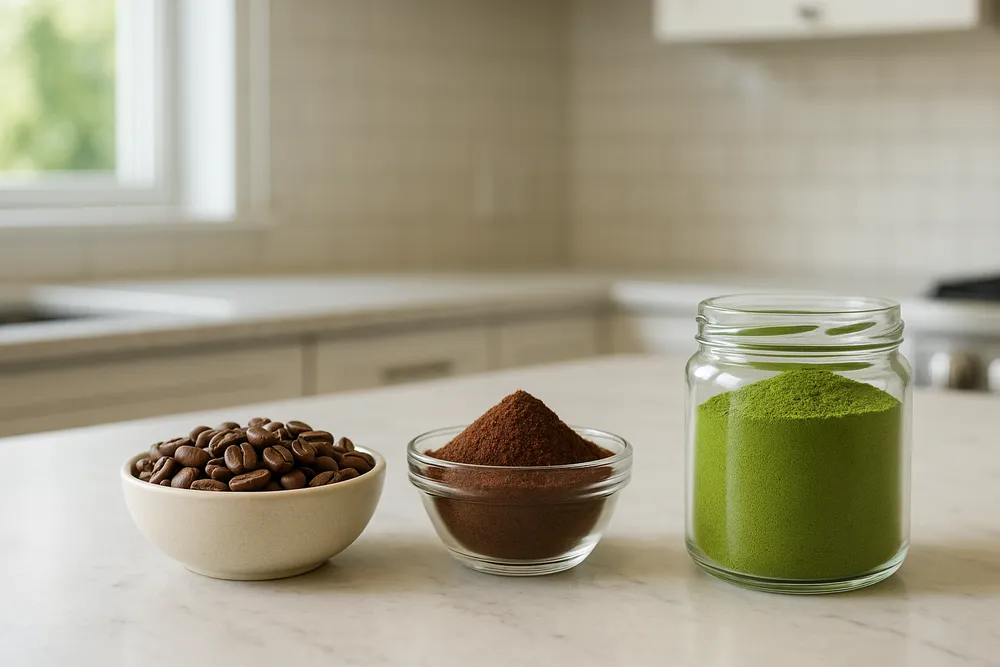
Coffee contains chlorogenic acid, a polyphenol antioxidant that’s abundant in coffee beans. This compound is partially lost during roasting, but significant amounts remain in brewed coffee. Chlorogenic acid has been studied for its potential benefits related to blood sugar regulation and antioxidant activity.
Moringa also contains chlorogenic acid, along with other antioxidants like flavonoids and polyphenols. When you combine coffee and Moringa, you’re increasing your total chlorogenic acid intake, potentially enhancing the antioxidant benefits. This synergistic effect means the combination may provide more antioxidant protection than either alone.
The combination also addresses nutrient timing. Coffee is typically consumed in the morning when your body can benefit from both the caffeine and the nutrients Moringa provides. Starting your day with this nutrient-dense combination sets a positive foundation for the rest of your day.
Chlorogenic Acid: A Key Connection
Chlorogenic acid is one of the most interesting connections between coffee and Moringa. This compound appears in both, and understanding its role helps explain some of the benefits of combining them.

Chlorogenic acid is a type of polyphenol antioxidant found in coffee beans and Moringa leaves. In coffee, it’s one of the primary antioxidants, though some is lost during the roasting process. In Moringa, it’s present along with other beneficial compounds.
Research suggests chlorogenic acid may support healthy blood sugar levels by influencing how the body processes glucose. It also provides antioxidant benefits, helping protect cells from oxidative damage. When you combine coffee and Moringa, you’re increasing your intake of this beneficial compound.
The presence of chlorogenic acid in both coffee and Moringa creates a natural synergy. You’re not just adding different nutrients - you’re also amplifying a beneficial compound that both contain, potentially enhancing its effects.
Increased Intake
By combining coffee and Moringa, you’re increasing your total chlorogenic acid intake. This amplifies the antioxidant benefits and may enhance the compound’s positive effects on blood sugar regulation.
Complementary Compounds
While both contain chlorogenic acid, they also provide different antioxidants. Coffee offers its unique polyphenols, while Moringa provides flavonoids, vitamin C, and other compounds, creating a comprehensive antioxidant profile.
Synergistic Benefits
The combination of chlorogenic acid from both sources, along with their other nutrients, may create synergistic effects that enhance the overall benefits beyond what either provides alone.
Chlorogenic acid represents one of the key connections between coffee and Moringa, but it’s just one part of the nutritional synergy this combination provides.
Nutritional Benefits
Adding Moringa to coffee significantly enhances its nutritional profile. While coffee provides caffeine and some antioxidants, Moringa adds a comprehensive range of vitamins, minerals, and other beneficial compounds.

Moringa contributes exceptional amounts of vitamin A, vitamin C, calcium, iron, and potassium to your coffee. These nutrients are often lacking in typical morning routines, making this combination an efficient way to start your day with better nutrition.
The complete protein in Moringa is particularly valuable when added to coffee. Most people don’t get protein with their morning coffee, and adding Moringa provides all nine essential amino acids. This helps support satiety, muscle maintenance, and sustained energy throughout the morning.
Essential Vitamins
Moringa adds significant amounts of vitamins A and C to your coffee. Vitamin A supports eye health and immune function, while vitamin C provides antioxidant protection and supports immune health.
Important Minerals
Calcium, iron, and potassium from Moringa support bone health, red blood cell function, and fluid balance. These minerals are essential for daily function and are often under-consumed in typical diets.
Complete Protein
Moringa provides all nine essential amino acids, making it a complete protein source. Adding this to coffee helps support muscle maintenance, satiety, and sustained energy throughout the morning.
The nutritional benefits of adding Moringa to coffee make your morning beverage significantly more valuable for overall health and wellness.
Energy and Focus Benefits
The combination of coffee and Moringa provides a unique approach to energy and focus that goes beyond what coffee alone can offer. Understanding how they work together helps you optimize this benefit.

Coffee provides immediate energy through caffeine, which stimulates the central nervous system and increases alertness. This effect is rapid but can sometimes lead to energy crashes as the caffeine wears off.
Moringa supports energy through different mechanisms. Its iron content helps support healthy red blood cell function, which is important for oxygen transport and energy production. B-vitamins in Moringa play roles in converting food into energy at the cellular level.
The combination creates a more balanced energy profile. You get the immediate lift from coffee’s caffeine, plus the sustained support from Moringa’s iron and B-vitamins. This can help reduce the energy crashes associated with caffeine alone and provide more stable energy throughout the morning.
How to Add Moringa to Coffee
Adding Moringa to coffee is simple, but a few techniques can help you get the best results in terms of both flavor and nutrition.

Start with 1 teaspoon of Moringa powder per cup of coffee. This amount provides significant nutritional benefits without overwhelming the coffee’s flavor. You can adjust this amount based on your taste preferences and nutritional goals.
Add the Moringa powder to your coffee after brewing, while the coffee is still hot. The heat helps the powder dissolve more completely. Stir thoroughly to ensure the powder is well incorporated and doesn’t settle at the bottom.
If you prefer a smoother texture, you can use a small whisk or frother to blend the Moringa into your coffee. This creates a more uniform mixture and can help prevent any clumping. Some people also find that adding a small amount of cream or milk helps the Moringa blend more smoothly.
Start with Small Amounts
Begin with 1 teaspoon per cup and adjust based on your taste preferences. Some people prefer more Moringa for additional nutrition, while others prefer less to maintain the coffee’s flavor profile.
Add While Hot
Adding Moringa to hot coffee helps it dissolve more completely. Stir thoroughly to ensure even distribution and prevent the powder from settling at the bottom of your cup.
Blend for Smoothness
Using a small whisk or frother can help create a smoother texture and ensure the Moringa is fully incorporated. This technique is especially helpful if you’re using larger amounts of Moringa.
The right technique ensures you get both the nutritional benefits and a pleasant flavor experience when adding Moringa to your coffee.
Flavor Profile
Understanding how Moringa affects coffee’s flavor helps you adjust the combination to your preferences and get the most benefit from this enhanced beverage.

Moringa has a mild, slightly earthy flavor that blends well with coffee. At typical amounts (1-2 teaspoons per cup), it adds a subtle note that complements coffee’s rich, roasted flavor without overwhelming it. Many people find the combination pleasant, especially when the coffee is strong enough to balance the earthiness.
The flavor works particularly well with black coffee, as the earthiness of Moringa complements the coffee’s natural bitterness. If you prefer your coffee with cream or milk, these additions can help smooth out any earthiness from the Moringa, creating a more balanced flavor profile.
Some people find that adding a small amount of natural sweetener, like honey or maple syrup, helps balance the flavors. However, many people like the combination without any additions, especially if they’re used to the taste of both coffee and Moringa.
Considerations and Tips
A few considerations can help you get the most from adding Moringa to coffee while avoiding potential issues.

Start gradually if you’re new to Moringa. Begin with a smaller amount (half a teaspoon) and gradually increase to your preferred amount. This helps your body adjust and allows you to find the right balance for your taste preferences.
Be mindful of your total caffeine intake. If you’re sensitive to caffeine or consume multiple cups of coffee, consider how adding Moringa affects your overall routine. Moringa itself doesn’t contain caffeine, but if you’re increasing your coffee consumption to accommodate Moringa, you’ll want to monitor your total intake.
Consider the timing of your coffee consumption. If you’re adding Moringa for its nutritional benefits, consuming it in the morning with your coffee ensures you start your day with these nutrients. However, if you prefer coffee later in the day, you can still add Moringa, though you may want to be mindful of caffeine’s effects on sleep.
Conclusion
Adding Moringa to coffee creates a functional beverage that enhances your morning routine with additional nutrients, antioxidants, and wellness benefits. The combination provides both immediate energy from caffeine and sustained nutritional support from Moringa’s comprehensive nutrient profile.
In Summary: Adding Moringa to coffee combines the immediate energy of caffeine with Moringa’s vitamins, minerals, complete protein, and antioxidants. Both contain chlorogenic acid, creating a synergistic antioxidant effect. Start with 1 teaspoon per cup, add while hot, and stir thoroughly. The combination provides dual energy support, enhanced nutrition, and increased antioxidant intake. Moringa’s mild, earthy flavor complements coffee’s rich taste, especially in black coffee or with cream. This simple addition transforms your daily coffee into a more nutritious, functional beverage that supports overall wellness.
Disclaimer
Information presented here is for educational purposes only. It is not medical advice or a substitute for consultation with a qualified healthcare professional. Statements have not been evaluated by the FDA and are not intended to diagnose, treat, cure, or prevent any disease.