Moringa for Vegans: Complete Plant-Based Nutrition
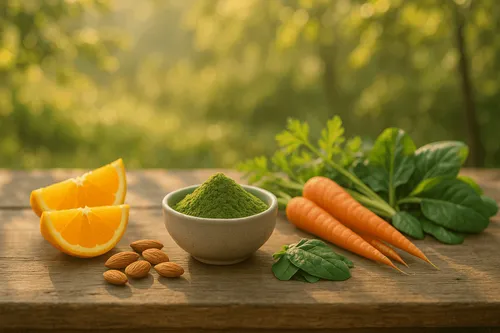
Following a vegan diet offers numerous health and environmental benefits, but it also requires careful attention to ensure you’re getting all the essential nutrients your body needs. Moringa stands out as an exceptional plant-based superfood that addresses many of the nutritional gaps commonly associated with vegan diets, providing complete protein, essential minerals, and vital vitamins in one convenient source.

What makes Moringa particularly valuable for vegans is its rare combination of nutrients that are often challenging to obtain from plant sources alone. Unlike many plant foods that excel in one or two nutrients, Moringa delivers a complete nutritional profile that supports everything from bone health to energy metabolism, making it an ideal addition to any vegan lifestyle.
Why Moringa is Perfect for Vegan Diets
Vegan diets can be incredibly healthy, but they require strategic planning to ensure adequate intake of certain nutrients that are more readily available in animal products. Moringa addresses several key nutritional concerns for vegans, providing essential nutrients in forms that your body can readily use.
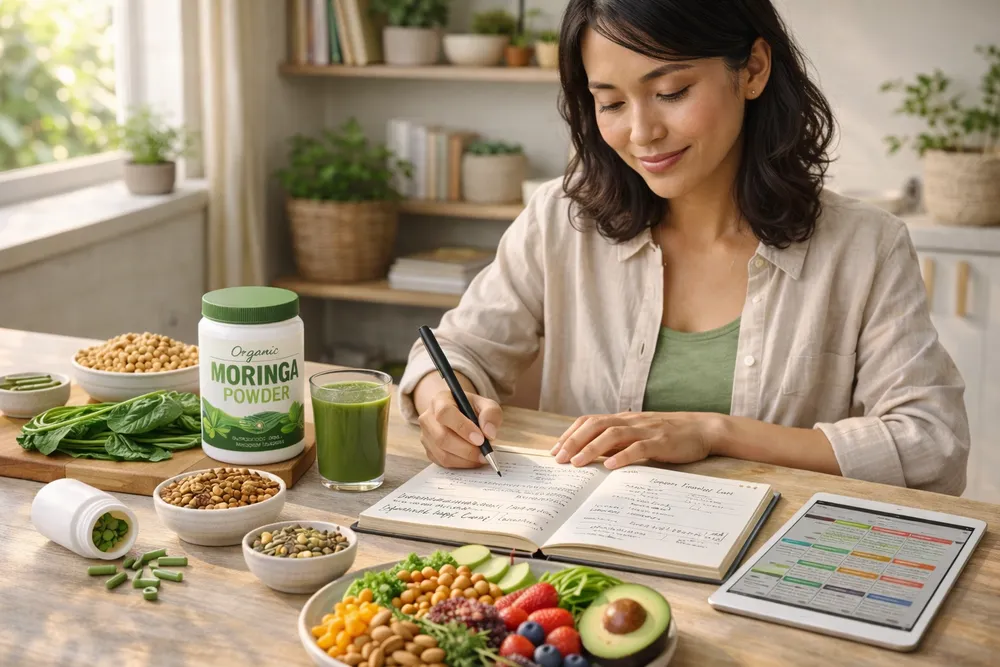
This complete nutritional support makes Moringa an invaluable tool for anyone following a vegan lifestyle. Rather than needing to carefully combine multiple plant foods to meet your nutritional needs, Moringa provides a convenient, concentrated source of essential nutrients that complement a well-planned vegan diet.
Complete Protein Source
One of the most significant advantages Moringa offers vegans is its status as a complete protein source. Unlike most plant foods that lack one or more essential amino acids, Moringa provides all 9 essential amino acids your body cannot produce on its own. This means you don’t need to worry about protein complementation or carefully timing your meals to combine different plant sources.
This complete protein profile is particularly valuable for vegans because it supports muscle maintenance, immune function, and tissue repair without requiring complex meal planning. Whether you’re an active vegan athlete or simply maintaining a healthy lifestyle, having all essential amino acids available in one source makes meeting your protein needs much simpler.
Plant-Based Calcium Powerhouse
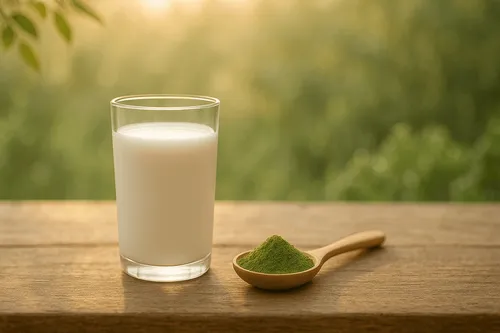
Calcium is essential for bone health, nerve function, and muscle contraction, but many vegans struggle to get adequate calcium from plant sources. Moringa addresses this concern by providing significantly more calcium per serving than milk, making it one of the most concentrated plant-based calcium sources available.
The calcium in Moringa is naturally occurring and comes alongside other bone-supporting nutrients like magnesium and vitamin K, creating a synergistic effect that supports overall skeletal health. This is particularly important for long-term vegans who want to ensure they’re maintaining optimal bone density throughout their lives.
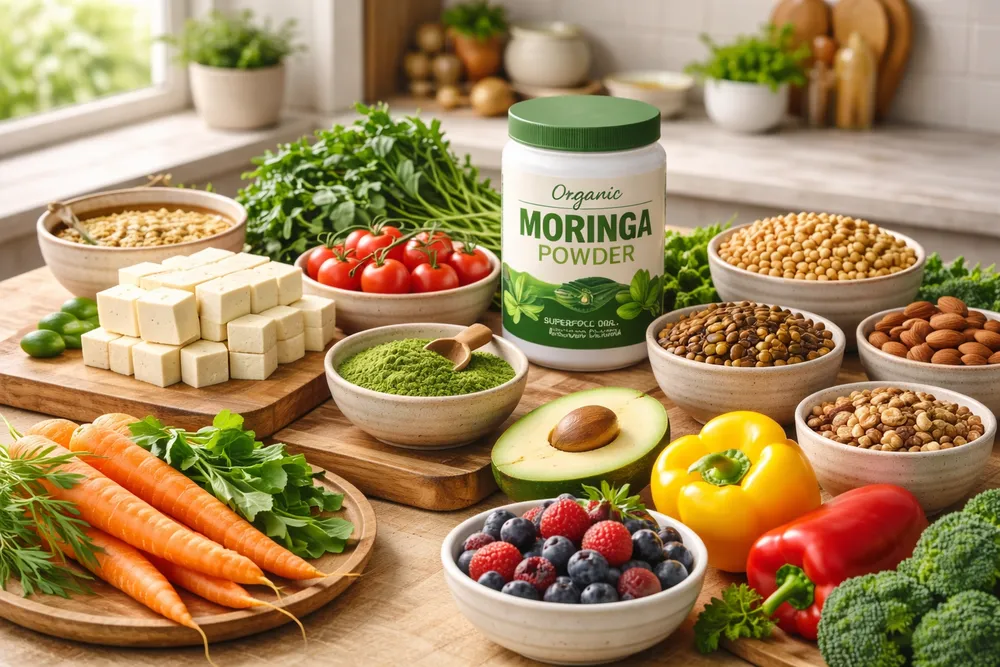
When planning your vegan meals, incorporating Moringa powder alongside other nutrient-dense plant foods creates a powerful combination that ensures you’re getting complete nutrition. The flexibility of Moringa makes it easy to add to smoothies, soups, and other dishes without significantly altering flavors, while significantly boosting your intake of essential nutrients.
Iron for Energy and Vitality
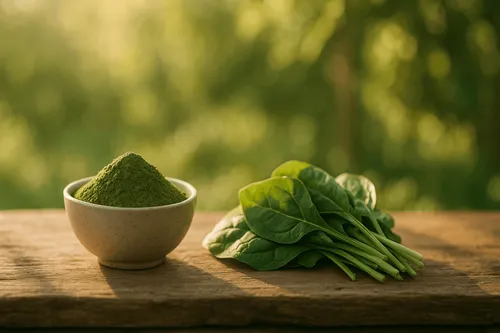
Iron deficiency is one of the most common nutritional concerns for vegans, as plant-based iron (non-heme iron) is less readily absorbed than the iron found in animal products. Moringa provides significantly more iron per serving than spinach, making it an excellent addition to a vegan diet focused on maintaining healthy iron levels.
Natural Energy Support
Iron is essential for oxygen transport throughout your body, supporting energy production and preventing fatigue. Moringa’s high iron content helps maintain healthy energy levels, which is especially valuable for active vegans who need sustained vitality throughout the day.
Enhanced Absorption
Moringa naturally contains vitamin C, which enhances the absorption of plant-based iron. This means your body can more effectively utilize the iron from Moringa compared to other plant sources, making it particularly valuable for maintaining healthy iron levels on a vegan diet.
To maximize iron absorption from Moringa, consider pairing it with vitamin C-rich foods like citrus fruits, bell peppers, or tomatoes. This combination helps your body absorb the plant-based iron more effectively, ensuring you’re getting the most benefit from this nutrient-dense superfood.
Essential Vitamins for Vegan Health
Vegan diets can sometimes fall short on certain vitamins that are more abundant in animal products. Moringa provides several key vitamins that are important for vegans, helping to fill nutritional gaps and support overall wellness.
Incorporating Moringa into Your Vegan Lifestyle
Adding Moringa to your vegan diet is simple and flexible. Whether you prefer powders, capsules, or teas, there are multiple ways to benefit from the nutritional advantages of this superfood.
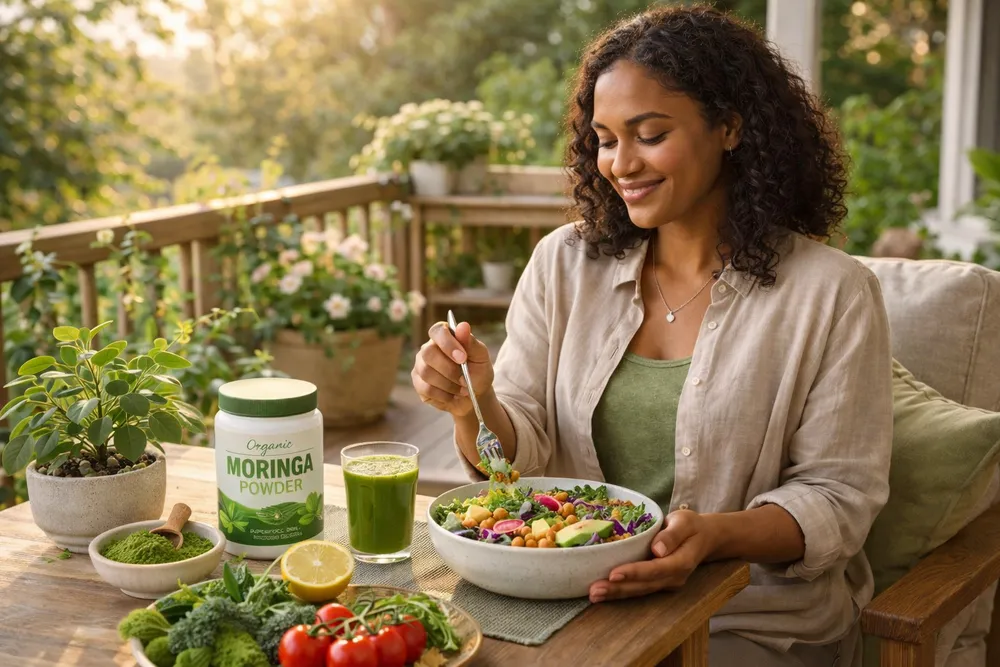
Each form of Moringa offers unique advantages, making it easy to find the option that best fits your lifestyle and preferences. Whether you’re looking for convenience, flexibility, or a specific way to incorporate this superfood into your meals, there’s a Moringa product that meets your needs.
Moringa Powder for Smoothies and Recipes
Moringa powder is highly adaptable and can be easily incorporated into your daily routine. Add a tablespoon to your morning smoothie, mix it into oatmeal or yogurt alternatives, or blend it into soups and sauces for an extra nutritional boost.
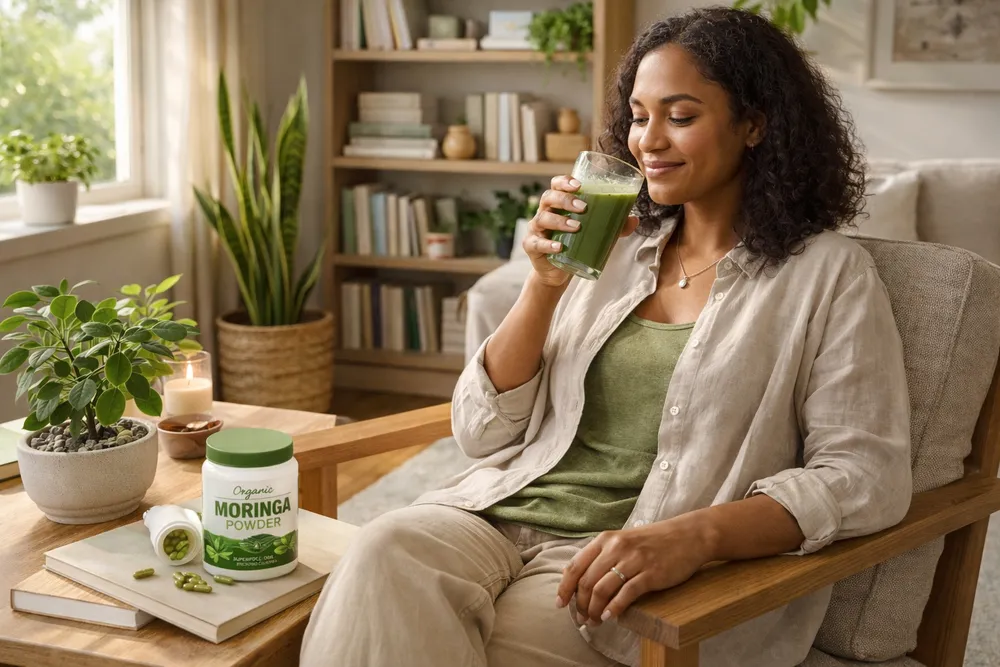
Moringa powder’s neutral flavor and fine texture make it ideal for blending into a wide variety of dishes without significantly altering taste or texture. Here are some practical ways to incorporate Moringa powder into your daily vegan meals and snacks:
Morning Smoothie Boost
Add 1-2 teaspoons of Moringa powder to your favorite fruit and vegetable smoothie. The mild, earthy flavor blends well with greens, fruits, and plant-based milks, giving you a complete protein and nutrient boost to start your day.
Savory Recipe Enhancement
Stir Moringa powder into soups, stews, or pasta sauces for added nutrition without significantly altering the flavor. It works particularly well in plant-based dishes with tomatoes, garlic, or herbs.
Baking and Energy Balls
Incorporate Moringa powder into energy balls, protein bars, or baked goods for a nutritional boost. The powder blends seamlessly into recipes without affecting texture or significantly changing the taste.
These practical options make it easy to incorporate Moringa into your vegan diet in ways that suit your preferences and schedule. Experiment with different methods to find what works best for you, and remember that consistency is key to experiencing the full benefits of this nutrient-dense superfood.
Moringa Capsules for Convenience
If you prefer a more convenient option, Moringa capsules provide the same nutritional benefits without the need for mixing or preparation. This makes them ideal for busy vegans who want to ensure they’re getting essential nutrients even on hectic days.
Moringa Tea for Relaxation
Moringa tea offers a gentle way to incorporate this superfood into your routine. Drink it hot or iced, and consider adding lemon or other citrus fruits to enhance iron absorption while consuming this soothing beverage.
Whether you’re consuming Moringa in a morning smoothie, afternoon tea, or evening meal, this adaptable superfood fits seamlessly into any part of your day. The key is finding the form and timing that works best for your lifestyle and preferences.
Building a Complete Vegan Nutrition Plan
While Moringa is an excellent addition to a vegan diet, it’s important to remember that no single food provides everything your body needs. A well-planned vegan diet should include a variety of whole plant foods, and Moringa can serve as a valuable supplement to fill nutritional gaps.
Remember that while Moringa provides many essential nutrients, you should still focus on eating a diverse range of plant foods to ensure you’re getting fiber, phytonutrients, and other beneficial compounds that work together to support optimal health.
The Environmental and Ethical Benefits
Beyond its nutritional value, Moringa aligns perfectly with vegan values through its sustainable and ethical production. Moringa trees are fast-growing, drought-resistant, and can thrive in challenging conditions, making them an environmentally friendly crop that supports sustainable agriculture.
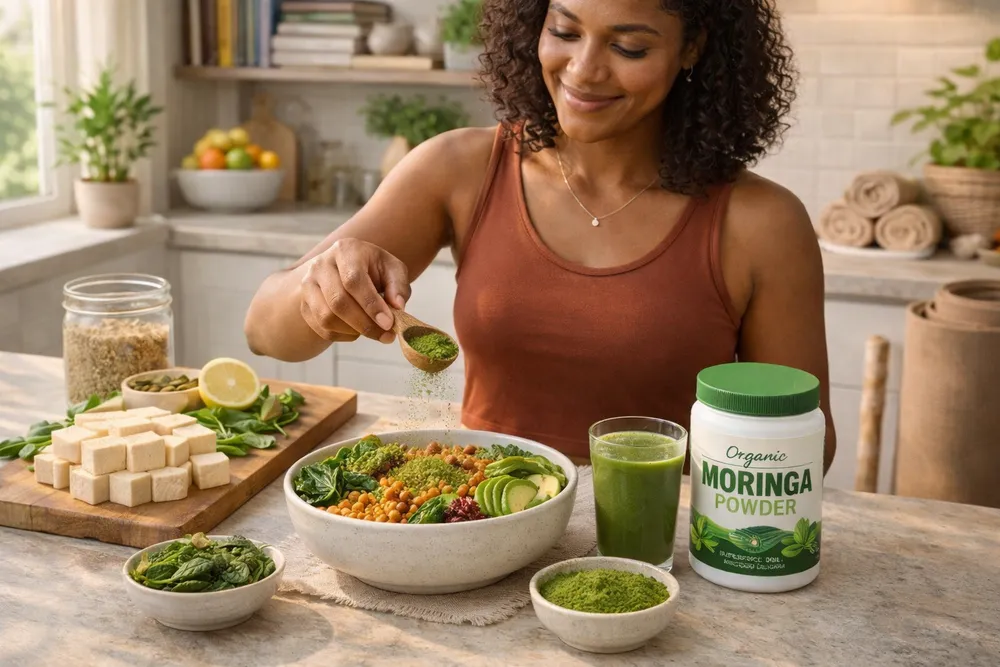
Moringa’s ability to grow in arid conditions with minimal water requirements makes it a sustainable choice that aligns with environmental values. Many Moringa producers also follow organic and fair-trade practices, ensuring that your nutritional choices support both your health and ethical values.
By choosing Moringa, you’re making a decision that benefits your health while also supporting sustainable agriculture and ethical farming practices. This makes Moringa a perfect fit for the vegan lifestyle, where personal health and environmental responsibility go hand in hand.
Conclusion: Moringa as a Vegan Superfood
Moringa offers exceptional value for vegans by providing complete protein, essential minerals, and vital vitamins in one convenient plant source. Its complete nutritional profile addresses many of the common concerns associated with vegan diets, making it easier to maintain optimal health while following a plant-based lifestyle.
Whether you’re new to veganism or have been following a plant-based diet for years, Moringa can serve as a valuable addition to your nutritional strategy. By providing complete protein, high-quality calcium, bioavailable iron, and essential vitamins, Moringa helps ensure you’re getting the nutrients your body needs to thrive on a vegan diet.
Remember that Moringa works best as part of a varied, whole-food vegan diet. Combine it with plenty of fruits, vegetables, whole grains, legumes, and other plant foods to create a well-rounded nutrition plan that supports your health, values, and lifestyle goals.
Disclaimer
Information presented here is for educational purposes only. It is not medical advice or a substitute for consultation with a qualified healthcare professional. Statements have not been evaluated by the FDA and are not intended to diagnose, treat, cure, or prevent any disease.