Moringa vs Chlorella: Which Green Superfood is Better?
Both Moringa and Chlorella are celebrated as nutrient-dense green superfoods, but they offer different nutritional profiles and benefits. Understanding their similarities and differences helps you choose which one aligns better with your health goals, or whether combining both makes sense for your needs. This comparison explores what each superfood offers and how they compare to each other.
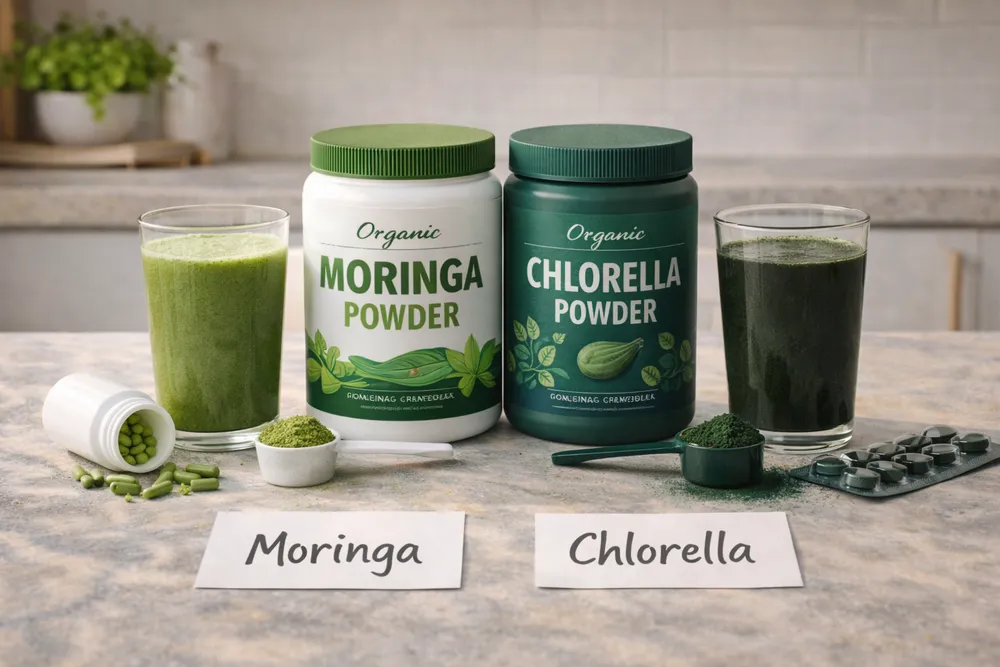
There’s no single answer to which superfood is better because it depends on what you’re looking for. Moringa excels in certain vitamins and minerals, while Chlorella is particularly rich in chlorophyll, protein, and specific nutrients. Many people find value in incorporating both into their diet to get complete nutritional coverage. The best choice depends on your individual health goals, dietary preferences, and nutritional needs.
Understanding Both Superfoods
Moringa and Chlorella come from completely different sources, which explains their distinct nutritional profiles. Understanding what each one is helps clarify why they offer different benefits.
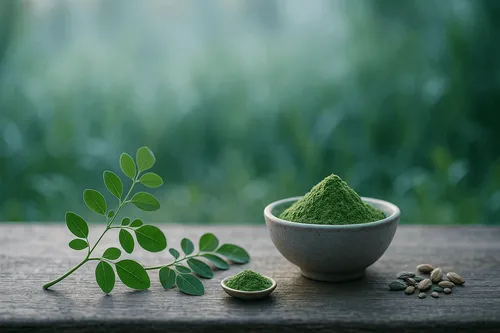
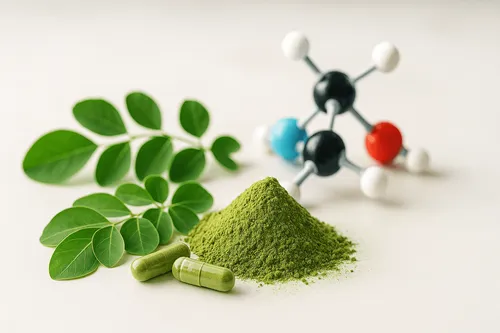
Moringa comes from the Moringa oleifera tree, native to parts of Africa and Asia. The leaves are dried and ground into powder, providing a plant-based source of vitamins, minerals, antioxidants, and complete protein. Moringa has been used traditionally for centuries and is known for its exceptional nutrient density.
Chlorella is a single-celled freshwater green algae that grows in freshwater environments. It’s harvested, dried, and processed into powder or tablets. Chlorella has been consumed for decades and is particularly valued for its high chlorophyll content, protein, and unique cell wall structure that may support detoxification.
Both are considered superfoods because they provide substantial nutrition in relatively small amounts, but they excel in different areas. Moringa is particularly strong in vitamins A and C, calcium, and iron, while Chlorella is known for its chlorophyll content, protein, B-vitamins, and potential detoxification support.
Nutritional Comparison
When comparing Moringa and Chlorella, it’s helpful to look at their overall nutritional profiles to understand where each one shines. Both are nutrient-dense, but they provide different combinations of vitamins, minerals, and other beneficial compounds.
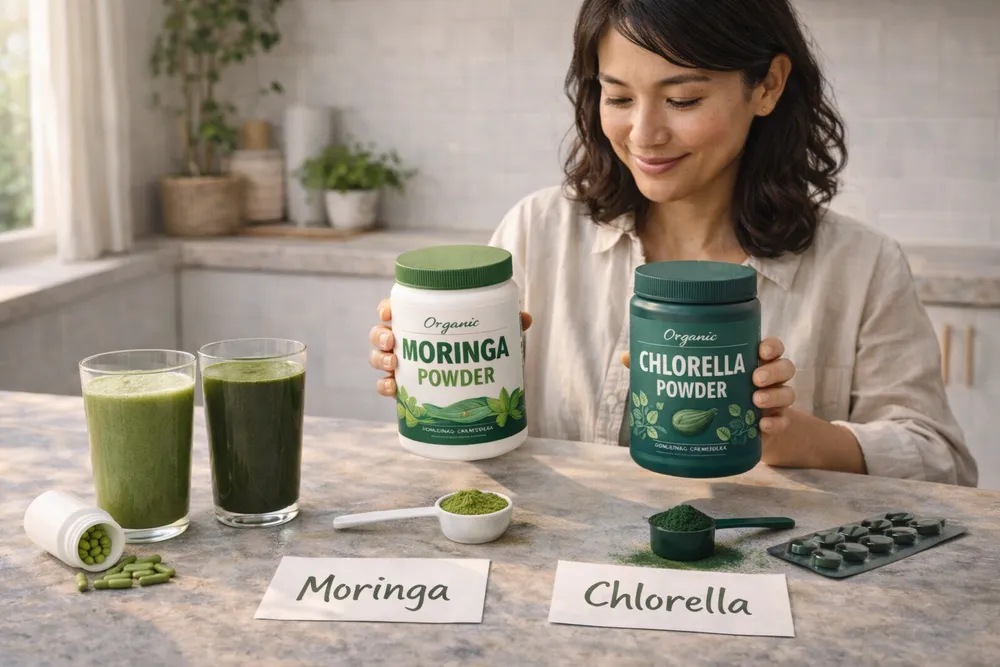
Moringa provides exceptional amounts of vitamin A (in the form of beta-carotene), vitamin C, calcium, iron, and potassium. It also contains all nine essential amino acids, making it a complete protein source. Moringa is particularly rich in antioxidants and contains over 90 different nutrients.
Chlorella is especially high in chlorophyll, which gives it its distinctive green color. It’s rich in protein, providing all essential amino acids, and contains B-vitamins, iron, and various minerals. Chlorella’s unique cell wall structure contains fiber and compounds that may support the body’s natural detoxification processes.
Moringa Strengths
Moringa excels in vitamin A (significantly more than carrots), vitamin C (significantly more than oranges), calcium (significantly more than milk), and iron (significantly more than spinach). It provides complete protein and over 90 nutrients in a low-calorie package.
Chlorella Strengths
Chlorella is particularly high in chlorophyll, which may support detoxification and overall health. It’s rich in protein, contains B-vitamins including B12, and provides iron and various minerals. Its unique cell wall structure offers additional health benefits.
The nutritional comparison shows that both superfoods are valuable, but they excel in different areas. Your choice depends on which nutrients you want to prioritize in your diet.
Protein Content Comparison
Both Moringa and Chlorella provide complete protein, meaning they contain all nine essential amino acids that your body cannot produce on its own. However, they differ in their protein content and how they’re best used.
Moringa provides complete protein with all essential amino acids, making it a valuable plant-based protein source. While Moringa’s protein content is moderate compared to some other plant sources, it’s particularly valuable because it comes packaged with a wide array of vitamins and minerals.
Chlorella is higher in protein content by weight, typically containing 50-60% protein. Like Moringa, it provides all essential amino acids, making it a complete protein source. Chlorella’s protein content makes it particularly appealing for those looking to increase their protein intake.
When choosing between Moringa and Chlorella for protein, consider that Chlorella typically provides more protein per serving, while Moringa offers protein along with exceptional amounts of other nutrients. Both can be valuable additions to a plant-based diet.
Vitamin and Mineral Content
Moringa and Chlorella differ significantly in their vitamin and mineral profiles, which is one of the key factors to consider when choosing between them.
Moringa is particularly rich in vitamin A (in the form of beta-carotene), vitamin C, calcium, iron, and potassium. It also provides B-vitamins, though in smaller amounts than Chlorella. Moringa’s vitamin and mineral content is one of its standout features, providing exceptional amounts of several key nutrients.
Chlorella is rich in B-vitamins, including B12 (though the form may not be as bioavailable as animal sources), and contains iron and various minerals. It’s particularly noted for its chlorophyll content, which is higher than most other green foods. Chlorella also provides vitamin C and beta-carotene, though typically in smaller amounts than Moringa.
The vitamin and mineral differences mean that Moringa may be better suited for those looking to boost specific vitamins like A and C, while Chlorella may be more appealing for those interested in B-vitamins and chlorophyll.
Understanding the vitamin and mineral differences helps you choose the superfood that best meets your specific nutritional needs.
Chlorophyll Content
One of the key differences between Moringa and Chlorella is their chlorophyll content, which is significantly higher in Chlorella. This difference may influence your choice depending on your health goals.
Chlorella is one of the richest sources of chlorophyll available, which gives it its distinctive deep green color. Chlorophyll is the compound that allows plants to convert sunlight into energy, and it may offer various health benefits including supporting the body’s natural detoxification processes and overall cellular health.
Moringa also contains chlorophyll, as do all green plants, but in smaller amounts than Chlorella. Moringa’s green color comes from its chlorophyll content, but it’s not as concentrated as in Chlorella.
Chlorella's Chlorophyll Advantage
Chlorella’s exceptionally high chlorophyll content makes it particularly appealing for those interested in supporting natural detoxification processes and cellular health. The chlorophyll content is one of Chlorella’s most distinctive features.
Moringa's Nutrient Balance
While Moringa contains less chlorophyll than Chlorella, it provides a balanced combination of chlorophyll along with exceptional amounts of vitamins, minerals, and antioxidants that support overall health in multiple ways.
If chlorophyll content is a priority for you, Chlorella may be the better choice. However, if you’re looking for a broader range of nutrients, Moringa offers chlorophyll along with exceptional amounts of other vitamins and minerals.
Antioxidant Content
Both Moringa and Chlorella contain antioxidants, but they provide different types and amounts of these beneficial compounds.
Moringa is rich in various antioxidants, including flavonoids, polyphenols, and vitamin C. These antioxidants help protect cells from oxidative stress and support overall health. Moringa’s antioxidant content is one of its key health benefits.
Chlorella also contains antioxidants, including chlorophyll, which has antioxidant properties, and various other compounds. While Chlorella’s antioxidant profile is different from Moringa’s, it still provides valuable antioxidant support.
The antioxidant differences mean that both superfoods can contribute to protecting your cells from oxidative stress, though they do so through different compounds and mechanisms.
Digestibility and Absorption
An important consideration when choosing between Moringa and Chlorella is how easily your body can digest and absorb their nutrients.
Moringa powder is generally easy to digest and absorb. The leaves are dried and ground into a fine powder that mixes well with liquids and foods. Moringa’s nutrients are readily available and don’t require special processing to be absorbed.
Chlorella has a tough cell wall that must be broken down for the nutrients inside to be absorbed. Most Chlorella products are “cracked” or “broken cell wall” to improve digestibility. Without this processing, Chlorella may pass through the digestive system without releasing its nutrients.
Moringa's Digestibility
Moringa powder is easily digested and its nutrients are readily absorbed by the body. The fine powder form makes it simple to incorporate into smoothies, foods, and beverages without concerns about digestibility.
Chlorella Processing
When choosing Chlorella, look for products labeled as “cracked cell wall” or “broken cell wall” to ensure the nutrients can be absorbed. This processing is essential for Chlorella to be effective.
Moringa’s ease of digestion may make it more convenient for daily use, while Chlorella requires careful product selection to ensure its nutrients are available for absorption.
Taste and Usage
The taste and how you use each superfood can influence your choice, as both have distinct flavors and work best in different applications.
Moringa has a mild, earthy, slightly vegetal taste that blends well with smoothies, soups, and other foods. Many people find it easy to incorporate into their daily routine because it doesn’t have an overpowering flavor. Moringa powder mixes easily with liquids and can be added to a wide variety of recipes.
Chlorella has a stronger, more distinct taste that some people find challenging. It has a deep green, slightly fishy or oceanic flavor that can be more noticeable in foods and beverages. Some people prefer to take Chlorella in capsule form to avoid the taste.
The taste difference means that Moringa may be easier to incorporate into foods and beverages, while Chlorella may be better suited for capsules or for those who don’t mind its stronger flavor.
Moringa in Recipes
Moringa’s mild flavor makes it easy to add to smoothies, soups, sauces, and baked goods without significantly altering the taste. It blends seamlessly into many recipes and beverages.
Chlorella Capsules
Many people prefer Chlorella in capsule form to avoid its strong taste. Capsules also ensure you get a consistent dose and can be convenient for on-the-go use.
Consider your taste preferences and how you plan to use the superfood when making your choice. Moringa offers more flexibility in recipes, while Chlorella may be better suited for capsules.
Can You Take Both Together?
Many people wonder if they can take both Moringa and Chlorella together, and the answer is yes. In fact, combining both can provide complementary benefits.
Taking both Moringa and Chlorella together can give you a broader range of nutrients. Moringa provides exceptional amounts of vitamins A and C, calcium, and iron, while Chlorella offers high chlorophyll content, B-vitamins, and protein. Together, they can provide complete nutritional support.
There are no known negative interactions between Moringa and Chlorella, so they can be safely combined. However, it’s always wise to start with smaller amounts of each when beginning a new supplement routine and to consult with a healthcare provider if you have specific health concerns.
Complementary Nutrition
Combining Moringa and Chlorella provides a wider spectrum of nutrients than either alone. Moringa’s vitamin and mineral content complements Chlorella’s chlorophyll and B-vitamin profile.
Balanced Approach
Using both superfoods allows you to benefit from Moringa’s exceptional vitamin and mineral content while also getting Chlorella’s chlorophyll and protein benefits. This balanced approach can support overall health.
If you’re interested in maximizing your nutrient intake, combining both Moringa and Chlorella can be an effective strategy. Start with smaller amounts of each and adjust based on your needs and preferences.
Which Should You Choose?
The choice between Moringa and Chlorella depends on your specific health goals, nutritional needs, and preferences. Here are some guidelines to help you decide.
Choose Moringa if you’re looking for exceptional amounts of vitamins A and C, calcium, and iron. Moringa is also a good choice if you want a superfood that’s easy to incorporate into recipes and has a mild flavor. It’s particularly valuable for those following plant-based diets who want to boost their intake of specific vitamins and minerals.
Choose Chlorella if you’re interested in high chlorophyll content, protein, and B-vitamins. Chlorella may also appeal to those interested in supporting natural detoxification processes. If you don’t mind taking capsules or the stronger taste, Chlorella can be a valuable addition to your routine.
You can also choose both if you want to benefit from the unique advantages of each superfood. Many people find that combining Moringa and Chlorella provides complete nutritional support.
Learning more about Moringa’s specific benefits and nutritional profile can help you make an informed decision about whether it’s the right superfood for your needs. Understanding how Moringa compares to other superfoods like Chlorella gives you the knowledge to choose the best option for your health goals.
Conclusion: Moringa vs Chlorella
Both Moringa and Chlorella are valuable green superfoods that offer unique nutritional benefits. Moringa excels in vitamins A and C, calcium, and iron, while Chlorella is particularly rich in chlorophyll, protein, and B-vitamins. The best choice depends on your individual health goals, nutritional needs, and preferences.
While choosing one superfood can provide excellent benefits, combining both Moringa and Chlorella in your diet is an especially effective approach. This combination gives you the best of both worlds: Moringa’s exceptional vitamin and mineral content alongside Chlorella’s high chlorophyll and protein levels. Together, they provide a broader spectrum of nutrients than either one alone, supporting multiple aspects of your health simultaneously. Many people find that this balanced approach offers the most complete nutritional support for their wellness goals.
Whether you choose Moringa, Chlorella, or both, incorporating these nutrient-dense superfoods into your diet can support overall health and wellness. Consider your specific needs, taste preferences, and how you plan to use the superfood when making your decision.
Remember that both superfoods work best as part of a balanced diet that includes a variety of whole foods. Combine them with proper hydration, regular physical activity, and adequate rest to maximize your health and wellness.
Disclaimer
Information presented here is for educational purposes only. It is not medical advice or a substitute for consultation with a qualified healthcare professional. Statements have not been evaluated by the FDA and are not intended to diagnose, treat, cure, or prevent any disease.