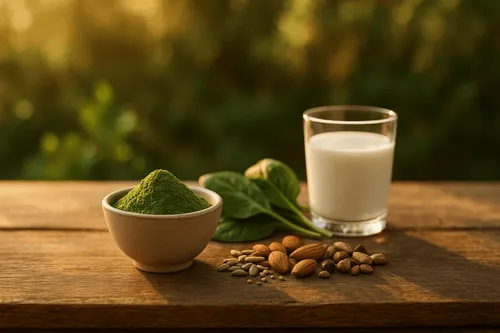
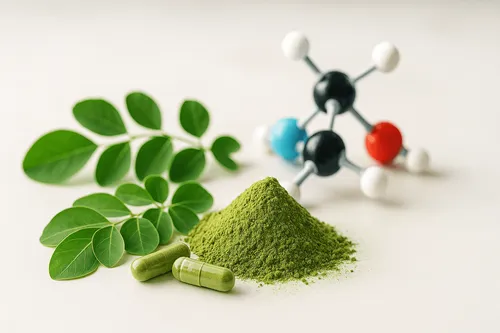
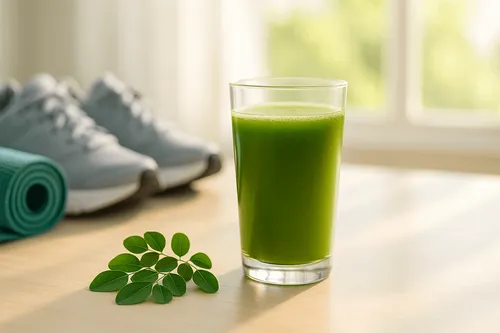
Moringa for Athletes: Performance, Recovery & Energy
Athletes and active individuals have unique nutritional needs that go beyond basic health maintenance. Whether you’re training for competition, maintaining an active lifestyle, or pushing your physical limits, your body requires optimal nutrition to perform at its best and recover effectively. Moringa offers a complete nutritional solution that addresses the specific demands of athletic performance, providing complete protein, essential minerals, and energy-supporting nutrients in one convenient plant source.
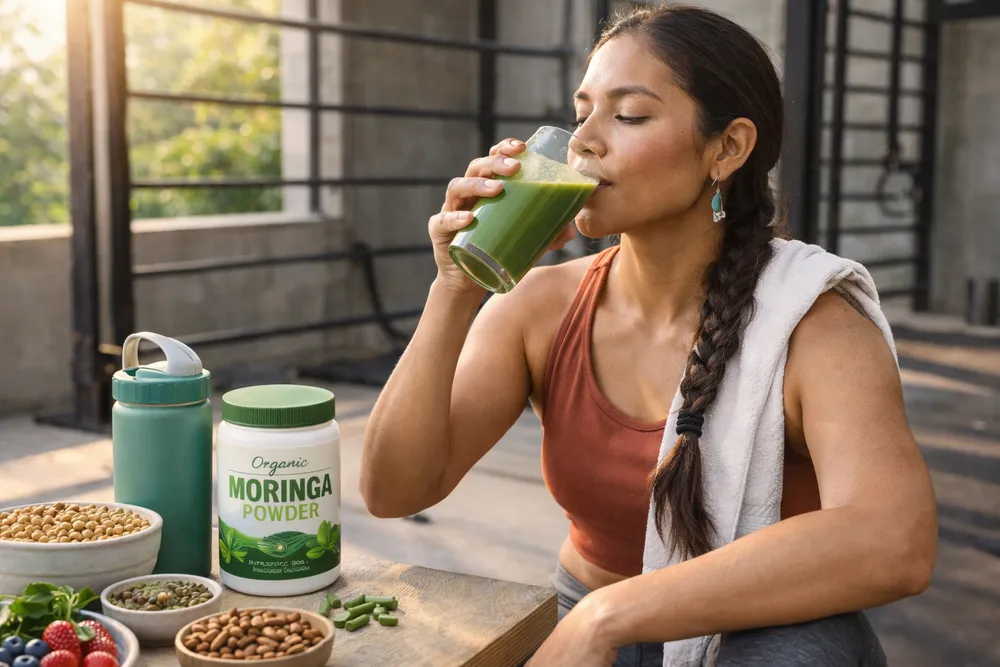
What makes Moringa particularly valuable for athletes is its ability to support multiple aspects of athletic performance simultaneously. From providing complete protein for muscle repair to delivering iron for oxygen transport and B-vitamins for energy metabolism, Moringa addresses the complex nutritional requirements that active individuals face every day.
Why Moringa Supports Athletic Performance
Athletic performance depends on numerous factors working together, from muscle strength and endurance to efficient energy production and rapid recovery. Moringa provides a unique combination of nutrients that support these interconnected systems, making it an ideal addition to any athlete’s nutrition plan.
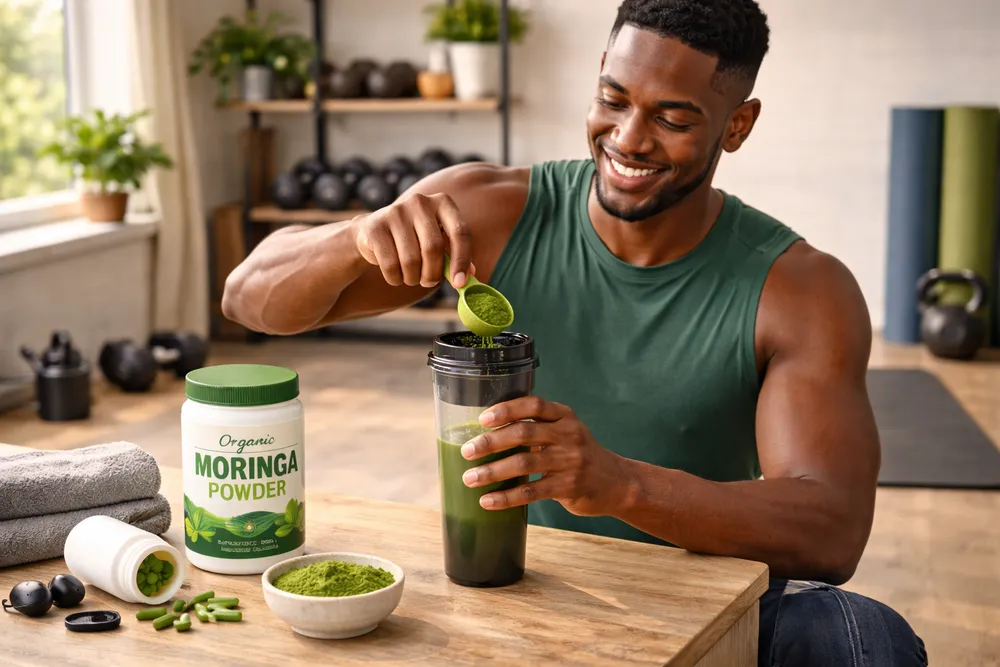
The convenience and nutritional density of Moringa make it particularly valuable for athletes who need efficient ways to meet their increased nutritional demands. Whether you’re looking for post-workout protein, pre-workout energy support, or daily nutritional insurance, Moringa offers a practical solution that supports your training goals.
Complete Protein for Muscle Recovery
One of the most critical nutritional needs for athletes is adequate protein intake to support muscle repair and growth. Moringa stands out as a complete plant-based protein source, providing all 9 essential amino acids that your body cannot produce on its own. This makes it particularly valuable for athletes who follow plant-based diets or want to diversify their protein sources.
Unlike incomplete plant proteins that require careful food combining, Moringa provides complete protein on its own, making it easier to meet your protein needs around training sessions. This is especially valuable for athletes who need convenient, quick-digesting protein sources that don’t require complex meal planning.
Post-Workout Recovery Support
For optimal muscle recovery, consider incorporating Moringa into your post-workout nutrition strategy. The complete protein profile, combined with Moringa’s natural nutrients, supports muscle repair while also providing essential vitamins and minerals that aid in recovery.
Timing Your Protein Intake
Adding Moringa powder to a post-workout smoothie or consuming Moringa capsules after training provides your muscles with the essential amino acids they need for repair and growth. The complete protein profile ensures your body receives all the building blocks necessary for optimal recovery.
Complete Amino Acid Profile
Moringa’s complete protein means you don’t need to combine it with other protein sources to get all essential amino acids. This simplifies your post-workout nutrition and ensures your muscles have everything they need for effective recovery.
By strategically timing your Moringa intake around your workouts, you can maximize the benefits for muscle recovery and growth. The convenience of both powder and capsule forms makes it easy to fit Moringa into your post-workout routine, regardless of your schedule or preferences.
Iron for Oxygen Transport and Energy
Iron is essential for athletic performance because it plays a crucial role in oxygen transport throughout your body. During exercise, your muscles require increased oxygen delivery, and adequate iron levels are necessary to support this demand. Moringa provides significantly more iron per serving than spinach, making it an excellent addition to an athlete’s nutrition plan.
Enhanced Oxygen Delivery
Iron is a key component of hemoglobin, the protein in red blood cells that carries oxygen from your lungs to your muscles. Adequate iron levels ensure your muscles receive the oxygen they need during intense exercise, supporting endurance and performance.
Preventing Fatigue
Iron deficiency can lead to fatigue, reduced endurance, and decreased athletic performance. Moringa’s high iron content helps maintain healthy iron levels, supporting sustained energy throughout training sessions and competitions.
Moringa naturally contains vitamin C, which enhances the absorption of plant-based iron. This means your body can more effectively utilize the iron from Moringa compared to other plant sources, making it particularly valuable for athletes who need to maintain optimal iron status.
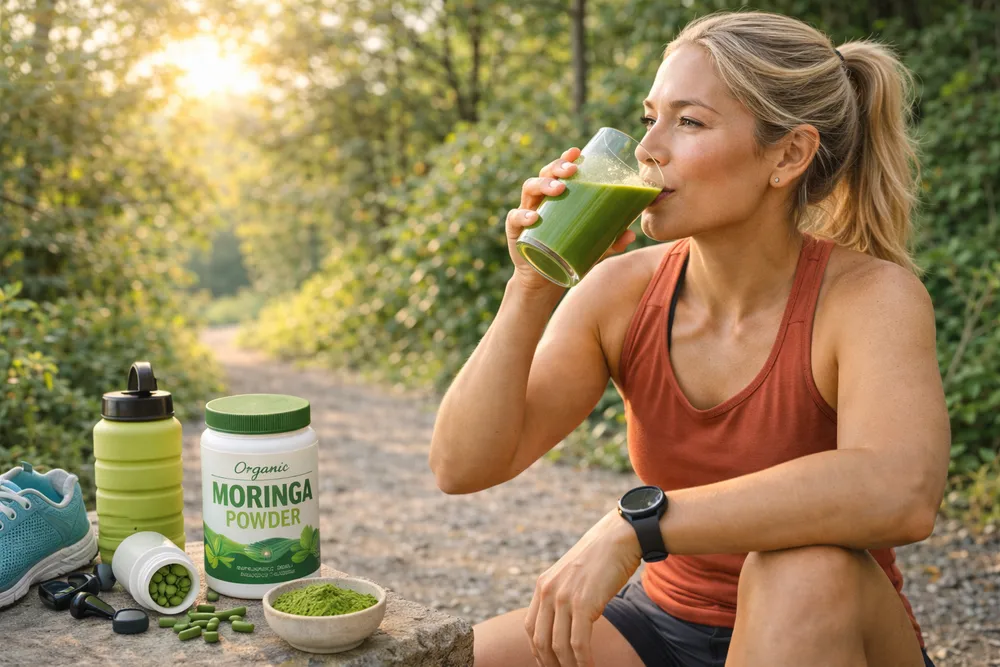
Maintaining healthy iron levels is especially important for endurance athletes, who rely heavily on efficient oxygen delivery to sustain performance over extended periods. The combination of high iron content and enhanced absorption makes Moringa an effective tool for supporting optimal iron status.
B-Vitamins for Energy Metabolism
Athletes require efficient energy metabolism to fuel their training and performance. Moringa provides several B-vitamins that play essential roles in converting food into usable energy, supporting your body’s ability to perform at its best.
Thiamine (B1) for Energy Production
Thiamine is essential for converting carbohydrates into energy. For athletes who rely on carbohydrate stores during exercise, adequate thiamine levels support efficient energy production and help maintain performance during extended training sessions.
Riboflavin (B2) and Niacin (B3)
These B-vitamins support energy metabolism and help your body efficiently use carbohydrates, fats, and proteins for fuel. They also play roles in maintaining healthy red blood cells, which are crucial for oxygen transport during exercise.
Vitamin B6 for Protein Metabolism
Vitamin B6 is essential for protein metabolism and helps your body use amino acids effectively. This is particularly important for athletes who need to efficiently process protein for muscle repair and growth.
The B-vitamins in Moringa work together to support efficient energy production from the foods you consume, helping you get the most out of your nutrition and maintain consistent energy levels throughout your training.
Natural, Caffeine-Free Energy
Unlike energy drinks or caffeinated supplements that can cause jitters, crashes, or interfere with sleep, Moringa provides natural energy support through its nutrient content rather than stimulants. This makes it an excellent choice for athletes who want sustained energy without the side effects of caffeine.
Sustained Energy Without Crashes
Moringa’s combination of iron, B-vitamins, and other nutrients supports natural energy production without the peaks and valleys associated with stimulants. This provides steady, sustained energy that supports your training without interfering with recovery or sleep quality.
No Sleep Interference
Because Moringa doesn’t contain caffeine or other stimulants, you can use it throughout the day without worrying about it affecting your sleep. This is particularly valuable for athletes who train in the evening or need quality sleep for recovery.
The natural, nutrient-based energy that Moringa provides makes it an ideal choice for athletes who want to avoid the drawbacks of stimulants while still supporting their energy needs. This approach to energy support aligns with long-term athletic health and performance goals.
Essential Minerals for Athletic Performance
Beyond protein, iron, and B-vitamins, Moringa provides essential minerals that support various aspects of athletic performance, from muscle function to bone health.
Magnesium for Muscle Function
Magnesium plays a crucial role in muscle contraction and relaxation, making it essential for athletic performance. It also supports energy production and helps maintain electrolyte balance during exercise.
Calcium for Bone Health
Strong bones are fundamental for athletes, and calcium is essential for maintaining bone density and strength. Moringa provides significantly more calcium per serving than milk, supporting bone health for athletes who engage in high-impact activities.
Potassium for Electrolyte Balance
Potassium is an important electrolyte that helps maintain fluid balance and supports proper muscle and nerve function. Adequate potassium intake is especially important for athletes who sweat heavily during training.
The combination of these essential minerals creates a foundation for optimal athletic performance, supporting everything from muscle contractions during exercise to bone strength for long-term health. Each mineral plays a specific role, and together they create a complete mineral support system that benefits athletes at every level.
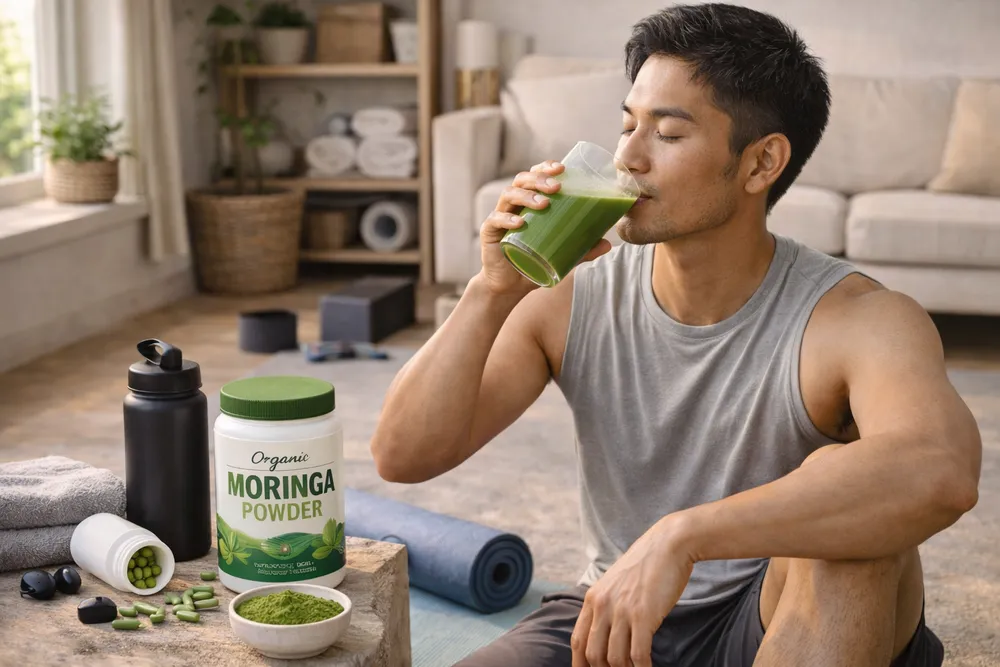
These essential minerals work together to support various aspects of athletic performance, from the cellular level where energy is produced to the structural level where bones and muscles function. Maintaining adequate mineral intake is crucial for athletes who push their bodies to perform at high levels.
Understanding how minerals work together and how to optimize their absorption can help you get the most benefit from Moringa’s mineral content. The synergistic relationship between different minerals and vitamins in Moringa enhances their overall effectiveness for athletic performance.
Antioxidants for Recovery and Health
Intense exercise produces oxidative stress, and antioxidants help protect your cells from this damage. Moringa contains powerful antioxidant compounds that support recovery and overall health.
Reducing Exercise-Induced Stress
The antioxidants in Moringa help neutralize free radicals produced during intense exercise, supporting faster recovery and reducing inflammation. This can help you bounce back more quickly from training sessions and maintain consistent performance.
Supporting Overall Health
Beyond recovery, antioxidants in Moringa support overall cellular health, which is fundamental for long-term athletic success. Healthy cells function more efficiently, supporting everything from energy production to immune function.
The antioxidant support that Moringa provides is particularly valuable for athletes who engage in intense or prolonged training sessions. By helping to manage oxidative stress and support cellular health, antioxidants contribute to both short-term recovery and long-term athletic success.
Incorporating Moringa into Your Athletic Routine
There are several convenient ways to add Moringa to your athletic nutrition plan, depending on your preferences and training schedule.
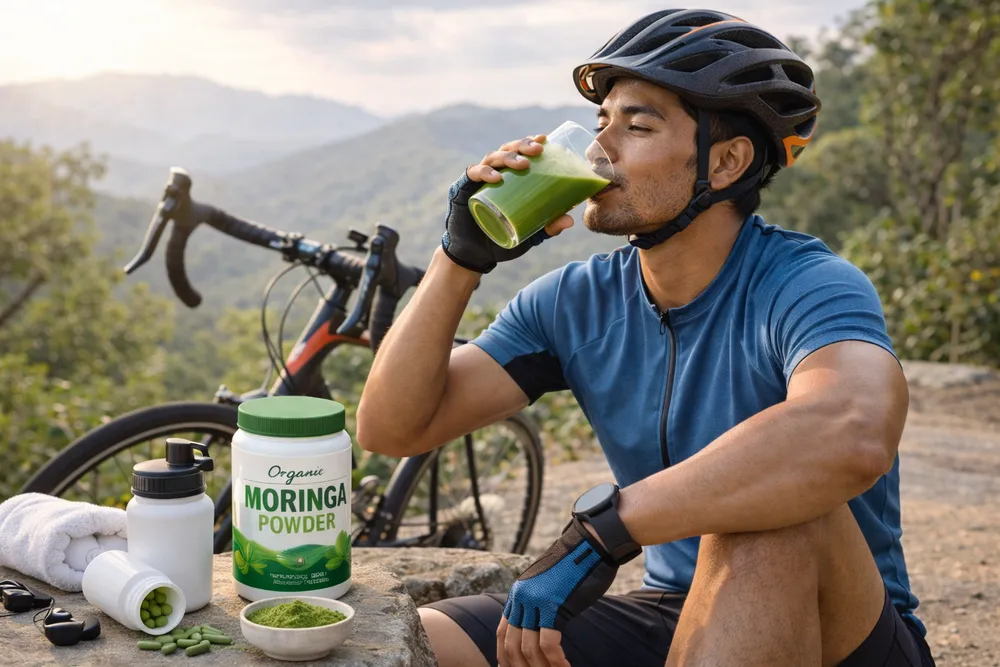
The key to successfully incorporating Moringa into your athletic routine is finding the form and timing that works best for your individual needs and training schedule. Experiment with different approaches to discover what supports your performance and recovery most effectively.
Pre-Workout Energy Boost
Consider adding Moringa powder to a pre-workout smoothie or taking Moringa capsules 30-60 minutes before training. The iron and B-vitamins can help support energy levels during your workout, while the complete protein prepares your body for the demands ahead.
Post-Workout Recovery
Moringa is particularly valuable post-workout when your muscles need protein and nutrients for repair. Add Moringa powder to a recovery smoothie with fruits and plant-based milk, or take capsules with your post-workout meal.
Daily Nutrition Support
For consistent nutritional support, incorporate Moringa into your daily routine. Whether through morning smoothies, capsules with meals, or Moringa tea, regular intake ensures your body has the nutrients it needs to support ongoing training and performance.
Training Day Smoothie
Blend 1-2 teaspoons of Moringa powder with your favorite fruits, plant-based milk, and a source of carbohydrates (banana, dates, or oats) for a complete pre or post-workout meal that supports both energy and recovery.
Convenient Capsules
Moringa capsules offer a quick and convenient way to get your nutrients, especially useful when you’re on the go or need a fast post-workout protein boost without preparation time.
Hydration Support
Add Moringa powder to your water bottle or recovery drink for added nutrients during or after training. The minerals in Moringa can help support electrolyte balance.
These practical options make it easy to incorporate Moringa into your athletic routine in ways that suit your training schedule and preferences. Consistency is key to experiencing the full benefits of this nutrient-dense superfood.
Supporting Overall Athletic Health
While Moringa provides specific nutrients that support performance and recovery, it also contributes to overall health, which is fundamental for long-term athletic success.
Maintaining overall health is essential for consistent athletic performance, and Moringa’s complete nutritional profile supports this goal. By addressing multiple aspects of health simultaneously, Moringa helps athletes stay strong, energized, and ready to perform at their best.
Conclusion: Moringa as an Athletic Superfood
Moringa offers exceptional value for athletes by providing complete protein, essential minerals, energy-supporting B-vitamins, and antioxidants in one convenient plant source. Its complete nutritional profile addresses the complex needs of active individuals, supporting everything from muscle recovery to energy production.
Whether you’re a competitive athlete, weekend warrior, or fitness enthusiast, Moringa can serve as a valuable addition to your nutrition strategy. By providing complete protein for recovery, iron for oxygen transport, B-vitamins for energy metabolism, and antioxidants for health, Moringa helps ensure your body has the nutrients it needs to perform at its best and recover effectively.
Remember that Moringa works best as part of a well-balanced athletic nutrition plan that includes adequate calories, carbohydrates for fuel, and a variety of whole foods. Combine Moringa with proper hydration, adequate rest, and smart training to maximize your athletic performance and long-term health.
Disclaimer
Information presented here is for educational purposes only. It is not medical advice or a substitute for consultation with a qualified healthcare professional. Statements have not been evaluated by the FDA and are not intended to diagnose, treat, cure, or prevent any disease.